
What Is an Irrigation System? Types, Benefits, and Maintenance Tips
If you have ever watched your St. Augustine grass turn brown in late July, you know how fast the Houston summer takes a toll on a yard. Understanding what an irrigation system is and how it functions is the first step in protecting your lawn from Houston's dense clay and extreme heat. This prevents beds from going from healthy to stressed when rain stops for weeks at a time.
An irrigation system solves that problem by delivering water directly to your yard on a schedule, without you having to drag a hose around or guess when plants need a drink. Cypress-area homeowners deal with a specific combination of challenges: dense clay, high humidity, and months of summer heat that most national watering guides underestimate. Getting the right system in place makes a real difference in how your yard holds up through those conditions.
Keep reading as the experts at PearceScapes explain what an irrigation system actually is, how the main parts work together, and which types make the most sense for a Houston-area yard. You will also find out what common problems look like and what to ask before installation.
How an Irrigation System Helps Your Yard
A good irrigation system does more than just water your grass. It delivers the right amount of water, at the right time, to the right places, and that precision protects your investment in plants, sod, and landscaping.
What the System Actually Does
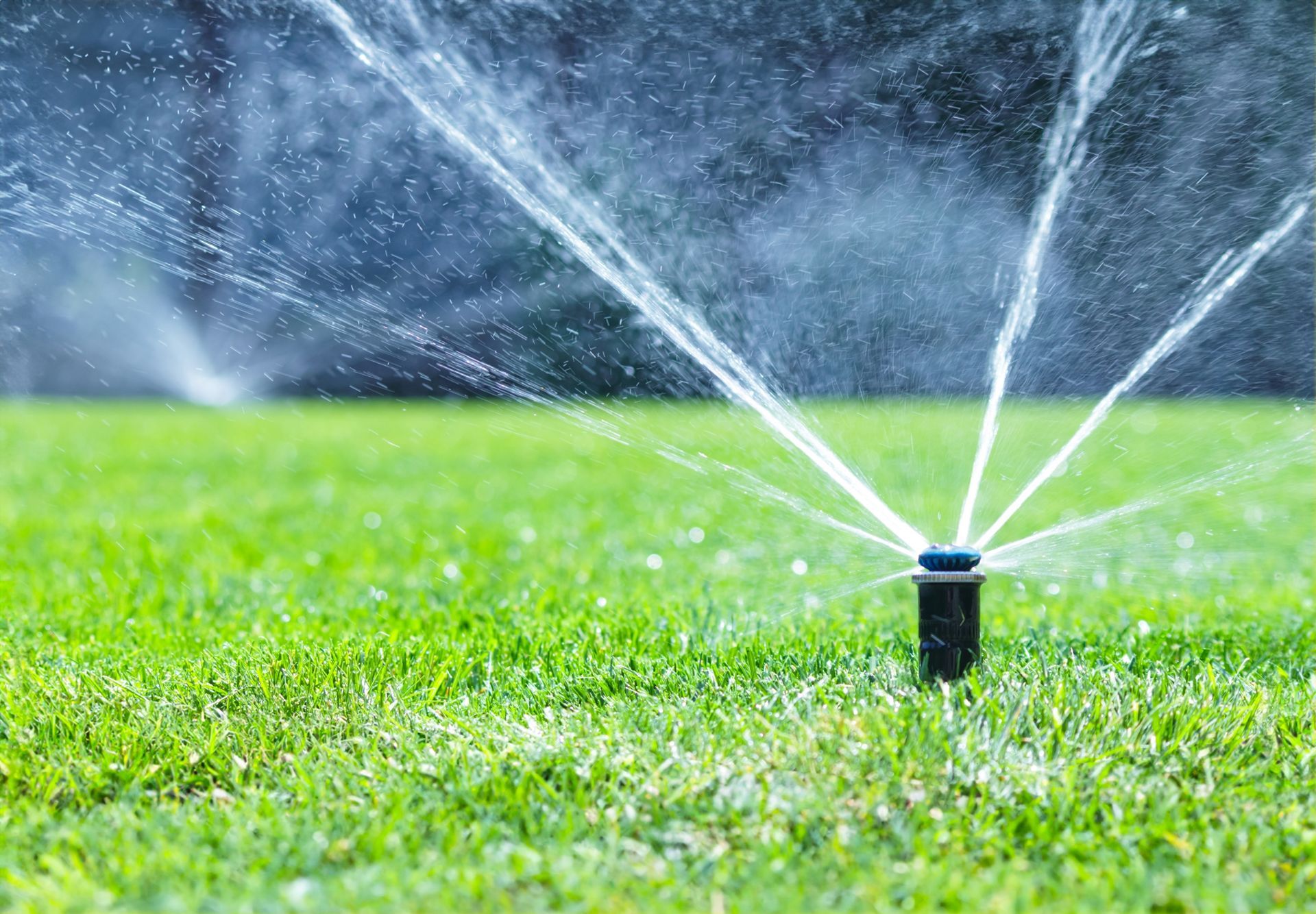
An irrigation system applies water artificially to soil through a network of pipes, valves, and sprinkler heads or drip emitters. Instead of relying on rainfall alone, the system runs on a schedule you control. It covers your lawn zones, planting beds, and trees with consistent application rates that keep plants healthy even when rain does not show up.
The big win is water use efficiency. A properly designed system wastes far less water than hand watering or a portable sprinkler, because each zone delivers water where plants actually need it.
Why Houston Heat and Rain Make Watering Tricky
Houston gets an average of 50 inches of rain per year, but that rain does not fall evenly. Spring can bring multiple heavy storms in a week. July and August can go three to four weeks without a meaningful drop. That swing between too much and too little is one reason efficient watering systems matter here.
High summer temperatures also push plants to use water faster. Add the humidity, and you have conditions where overwatering is just as damaging as underwatering. Root rot, fungal issues, and runoff all become real problems if your system is not calibrated for local conditions.
When Irrigation and Drainage Need to Work Together
Clay soil does not absorb water quickly. During a heavy summer rain, water can pool on the surface and sit for hours, even in a yard with a functioning sprinkler system running over it. When irrigation and drainage work together, you avoid the cycle of waterlogged beds followed by cracked, dry ground.
Smart irrigation design accounts for this. If your yard already has drainage challenges, the system needs to be scheduled around soil absorption rates, not just clock time.
How the Main Parts Work Together
Every residential irrigation system shares the same core structure: water enters from a source, flows through pipes, and exits at heads or emitters throughout your yard.
Water Source, Backflow Protection, and Supply Lines
Your home's municipal water supply feeds most residential irrigation systems through a dedicated connection at the meter. From there, water flows through a main supply line buried underground. The line splits into smaller lateral pipes that run to each zone in your yard.
Before water reaches your landscape, it passes through a backflow preventer. This device stops contaminated water from flowing back into your home's drinking water supply. It is a required component in most municipalities, including those in the Houston area, and it protects both your family and your neighbors.
Controller, Valves, and Irrigation Scheduling
The controller, sometimes called a timer, is the brain of the system. You program it with a watering schedule, choosing which zones run, on which days, and for how long. Modern controllers can connect to weather data and automatically adjust when rain is forecast.
Zone valves are installed underground and open or close in response to signals from the controller. When a zone's scheduled time arrives, its valve opens and water flows only to that section of the yard. This is how irrigation scheduling keeps your lawn zones, bed zones, and tree rings on separate programs without overlap or waste.
Pressure control valves regulate how hard the water flows through each line. Too much pressure breaks heads and wastes water. Too little leaves dry spots at the edges of your zones.
Zones, Pressure, and Sprinkler Heads
Your yard is divided into zones based on water need, sun exposure, and plant type. A shaded bed uses far less water than a full-sun turf area, so they run on different schedules. Zoning is what makes a sprinkler system genuinely efficient, not just automated.
Sprinkler heads are the visible part of the system. They pop up when a zone runs and retract when it stops. The type of head, fixed spray, rotor, or drip emitter, is matched to the area it covers. Head placement and spacing determine whether your yard gets even coverage or ends up with wet patches next to dry strips.
The Main Residential Watering Methods
Choosing the right irrigation method depends on what you are watering, how large the area is, and how your soil absorbs water.
Fixed Spray Systems for Smaller Lawn Areas
Fixed spray heads emit a fan-shaped pattern of water at a set radius. They cover smaller turf areas efficiently, typically within a radius of 4 to 15 feet. Because they apply water fast, they work best on flat areas where the soil can absorb it before runoff starts.
In Cypress yards with clay soil, fixed spray heads need short, repeated run cycles to avoid pooling. Running them for three minutes, letting the soil absorb, and running them again later in the same morning gives better results than a single long cycle.
Rotor and Sprinkler Irrigation for Larger Turf Zones
Rotor heads rotate, distributing water in a slow arc across a larger area. They apply water at a lower rate than fixed sprays, which makes them better suited for larger lawn zones on clay soil where runoff is a concern. The slower application rate gives the soil more time to absorb each pass.
Rotor sprinkler systems cover distances of 15 to 60 feet, depending on the head type and pressure. For big backyard turf zones common in Bridgeland and Towne Lake lots, rotors often deliver more even coverage with less water than fixed sprays would on the same area.
Drip Irrigation and Micro-Irrigation for Beds and Foundations
Drip irrigation runs water slowly through a network of tubing and emitters placed directly at the base of plants. It delivers water to the root zone without wetting foliage or soil surface between plants. That precision makes it ideal for shrub beds, foundation plantings, and vegetable gardens.
Micro-irrigation includes drip lines, micro-sprinklers, and soaker systems. These high-efficiency irrigation methods reduce evaporation dramatically compared to overhead spray, which matters in Houston's summer heat. They also keep water off the leaves, reducing the risk of fungal disease during humid months.
Which Options Matter Most in Cypress-Area Yards
Houston's clay soil and seasonal weather patterns create specific watering challenges that generic irrigation advice often misses.
Clay Soil, Runoff, and Short Watering Cycles
Heavy clay soil in Cypress and surrounding areas absorbs water slowly, often less than half an inch per hour. When a sprinkler system runs a standard ten-minute cycle, that water has nowhere to go fast enough. You end up with runoff into the street and dry soil just a few inches down.
The fix is a technique called cycle and soak. You program the controller to run each zone in short bursts, typically three to four minutes, with a pause of thirty to sixty minutes in between. This gives clay soil time to absorb each cycle before the next one starts. It is one of the most practical adjustments you can make to an existing system without replacing any hardware.
New Construction Landscapes and Uneven Establishment
New-construction homes in master-planned communities like Bridgeland often come with freshly laid sod and young plants that have not yet rooted deeply. These areas need more frequent, shallower watering cycles than established lawns do. Running a standard schedule on new sod leads to dry edges and uneven establishment.
A properly zoned system lets you water new plantings on a different schedule than mature turf areas. That flexibility matters a lot during the first growing season, when consistent, targeted water application makes the difference between sod that takes hold and sod that fails.
Beds, Trees, and Turf Often Need Different Zones
Grouping everything on one zone is one of the most common problems in older residential irrigation systems. Turf, shrubs, and trees all have different water needs and different root depths. Running them together means something is always over- or underwatered.
A well-designed irrigation system separates these areas into individual zones:
- Turf zones run more frequently at lower volumes to keep grass roots shallow and healthy
- Shrub and bed zones run less often but for longer cycles to push water deeper into the root zone
- Tree zones run infrequently with longer run times to encourage deep root growth
- Foundation plantings may use drip lines to protect both plants and your home's slab
Getting this separation right is one reason irrigation design matters as much as the equipment itself.
Common System Problems and Smarter Upgrades
Most irrigation issues show up as either wet spots where they should not be or dry patches where the system should be reaching.
Overspray, Dry Spots, and Clogged Emitters
Overspray happens when sprinkler heads throw water onto sidewalks, driveways, or the street instead of the lawn. It wastes water and can create safety hazards. The fix is usually to adjust the arc on the head or replace a fixed head with one that matches the actual area being watered.
Dry spots often point to a clogged emitter or a head that has been knocked out of alignment. Drip emitters in bed zones can clog with mineral deposits from Houston's hard water over time. Flushing the lines or replacing individual emitters is usually straightforward and quickly restores even coverage.
Leaking Valves, Broken Heads, and Pressure Issues
A zone valve that does not close completely causes one part of your yard to stay wet while the rest runs dry. You might notice unusually green patches in one area or water pooling near a valve box even when the system is off. Valve replacement is one of the more common repair jobs in established Cypress neighborhoods.
Broken heads are usually visible: a head that stays up after the zone turns off, sprays sideways, or does not pop up at all. Pressure problems are less obvious. Low pressure leaves the edges of your zones underwatered. High pressure causes heads to mist instead of throw, losing water to evaporation before it reaches the soil.
Simple Upgrades That Improve Efficiency
If your system was installed more than ten years ago, a few targeted upgrades can significantly improve its water use efficiency without a full replacement:
- Smart controller: Connects to local weather data and skips scheduled cycles automatically after rain
- Pressure-regulated heads: Maintain consistent output even when supply pressure fluctuates
- Drip conversion for beds: Replacing spray heads in planting beds with drip lines cuts water use and reduces fungal risk
- Rain sensor: A basic add-on that pauses the system during and after rainfall
These changes are practical, durable improvements built to handle Houston's heat cycling and humidity year after year.
Choosing the Right Setup for Long-Term Results
The most durable irrigation setup is one designed around your specific yard, not a one-size-fits-all package.
What to Compare Before Installation
Before choosing a system, take stock of your yard's actual conditions. The size and shape of your turf area, the number and type of planting beds, your water pressure at the meter, and your soil's drainage rate all affect which components will perform well long term.
Think about how the system will be maintained. Drip lines in beds need seasonal checks to clear clogged emitters. Spray heads in high-foot-traffic areas will need occasional replacement. A system you can easily access and adjust will stay efficient far longer than one that gets ignored because it is too complicated to manage.
When Professional Design Makes Sense
For a whole-property installation, professional design typically delivers better long-term performance than a DIY layout. An experienced installer maps zones based on actual water pressure readings, soil infiltration rates, and plant water needs, not just the yard's general layout.
In areas like Cypress and Katy, where clay soil and seasonal drainage challenges require careful scheduling, a system designed around those local conditions from the start avoids the expensive corrections that come from a generic install.
The outdoor lighting and irrigation professionals who understand Gulf Coast conditions can build a system that withstands Houston summers without wasting water or requiring constant adjustments.
Next Steps for Your Yard
If you are planning a new installation, start by walking your yard and noting where water pools after rain, where the grass dries out first in summer, and which bed areas are watered by your current setup. That information shapes every decision that follows, from zone layout to head selection to controller programming.
If you already have a system, a professional audit of your existing setup can identify underperforming zones, outdated heads, and scheduling problems that are costing you water and plant health.
Frequently Asked Questions
What Is an Irrigation System in Simple Terms?
An irrigation system is a set of pipes, valves, and sprinkler heads or drip emitters that deliver water to your yard automatically on a schedule. It connects to your home's water supply and uses a controller to run different areas of your yard at different times.
How Many Zones Does a Typical Residential System Have?
Most residential yards in the Cypress and Katy area use between four and eight zones. The exact number depends on yard size, the mix of turf and planting beds, and how much variation there is in sun exposure and water needs across the property.
Can I Add Drip Irrigation to an Existing Sprinkler System?
Yes. Drip emitters and drip lines can often be added to existing zones or set up as separate zones using the same controller. Converting spray zones in planting beds to drip is one of the most practical efficiency upgrades for established Houston-area yards.
Why Does My Yard Have Dry Spots Even When the System Runs?
Dry spots usually indicate a clogged head or emitter, a misaligned head, or insufficient coverage overlap. Low water pressure can also cause the outer edges of spray zones to receive less water than the area near the head.
Do I Need a Professional to Install an Irrigation System?
Whole-property installations in Houston-area yards benefit significantly from professional design, especially where clay soil, drainage issues, and multiple plant types are involved. A professional ensures proper zone layout, correct head selection, and scheduling that matches local soil conditions from day one.
Getting Started Is Simpler Than You Think
An irrigation system is not complicated once you understand the parts and how they work together. Water comes in from a source, moves through pipes to valves, then reaches your yard through heads or emitters sized for the job. The controller ties it all together by running each zone on a schedule matched to your plants, your soil, and Houston's weather patterns.
For Cypress-area homeowners, getting those details right from the start saves real money on water bills and protects your landscaping investment through every summer the Gulf Coast delivers.
PearceScapes has been designing and installing residential irrigation systems in Cypress and surrounding communities for over 10 years, with an A+ BBB rating and a deep understanding of local clay soil and drainage conditions.
Call (281) 370-5060 to schedule a free consultation, or request a quote and get a system plan built for your specific yard.