
Sprinkler System Repair Cypress, TX: Know When to Call a Pro
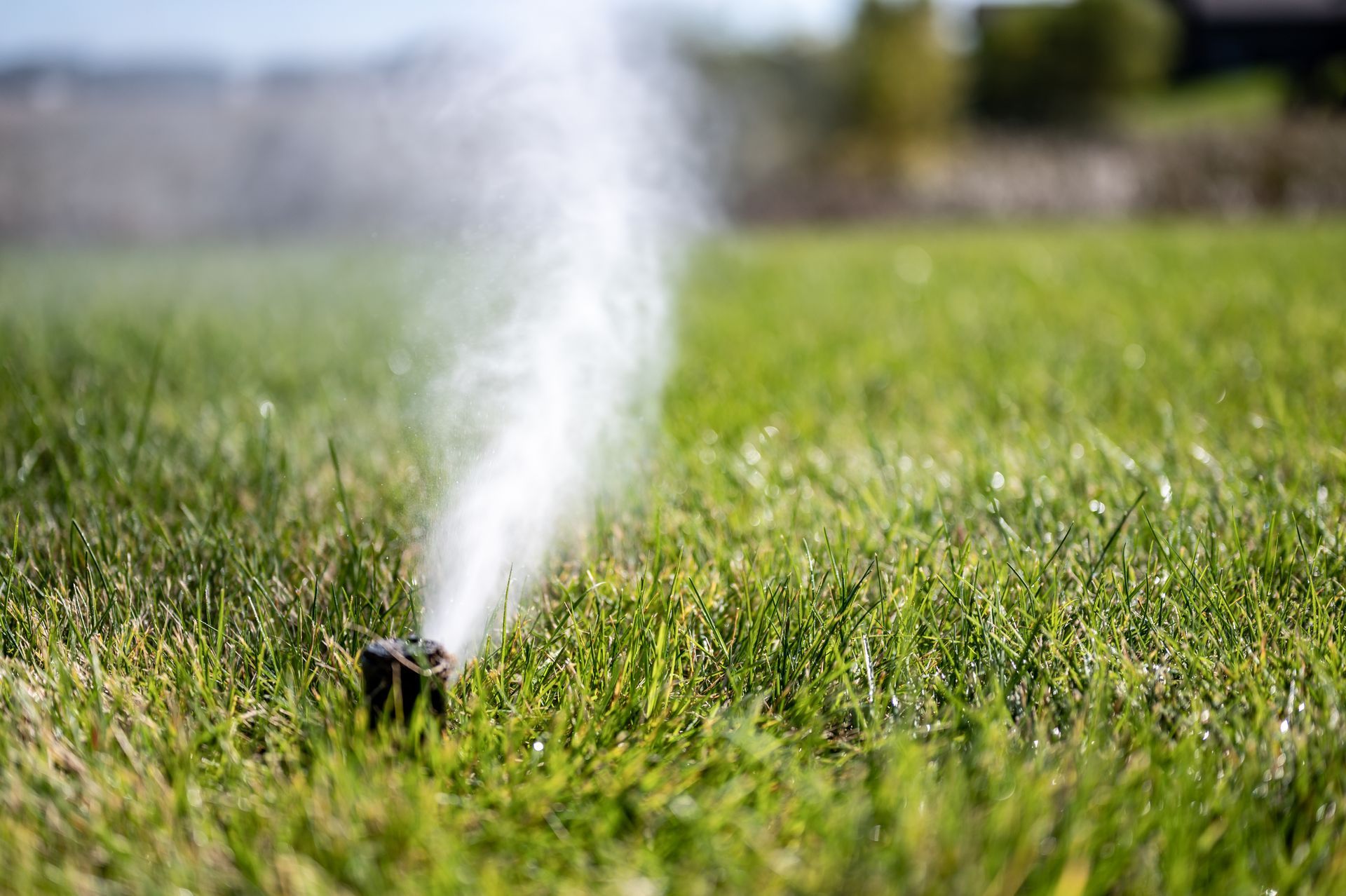
You noticed the brown patch first. One corner of the front lawn is crisping in the August heat while the strip near the driveway stays soggy for two days after a rain. Then the water bill arrives about forty dollars higher than last month, and you start doing the math on what a broken zone actually costs you.
PearceScapes has spent more than ten years working on yards across Cypress and the Greater Houston area, where shifting clay soil quietly damages irrigation lines long before the surface shows it. That local experience is what separates a real diagnosis from a guess.
Most sprinkler problems announce themselves through symptoms you can see, and matching the symptom to the cause tells you whether it is a ten-minute fix or a job for a licensed irrigator. Keep reading to learn how to read those signs, so you can decide with confidence whether to grab a screwdriver or pick up the phone.
Start With the Symptoms You Can See
Your lawn tells you what is wrong before any tool does. Walk the yard while each zone runs and watch for patterns, not just single bad spots.
Dry Spots, Weak Coverage, and Heads That Will Not Pop Up
Dry spots usually mean water is not reaching the area, not that the grass is struggling on its own. Look for sprinkler heads that barely rise, spray in a thin stream, or tilt away from the turf they are supposed to cover.
Clogged sprinkler heads are common here because clay and fine silt work into the nozzle screen every time the system cycles. A head that pops halfway and stalls often has grit packed around the riser seal.
Weak coverage across a whole zone points somewhere else, usually pressure or a partly closed valve. That distinction matters, and it becomes clearer once you look at the wet problems instead of the dry ones.
Standing Water, Soggy Patches, and Leaking Sprinkler Heads
Standing water near a head after the zone shuts off means the seal is failing or the line below is cracked. Leaking sprinkler heads waste water constantly and slowly wash soil away from the head, which makes the tilt worse over time.
Soggy patches that never dry out are a different story. In Cypress clay, water from a broken lateral line cannot drain down, so it spreads sideways and surfaces several feet from the actual break.
That is why the wet spot rarely sits directly over the problem. If the soggy area grows even when the system is off, you are likely looking at a mainline leak that stays pressurized around the clock.
High Water Bills and Low Water Pressure
A jump in your water bill with no change in habits is one of the most reliable warning signs. A single broken head can push hundreds of gallons a day into the soil where you never see it, and the EPA notes that an unmaintained home irrigation system can waste up to 25,000 gallons a year on top of what it was designed to use.
Low water pressure across the whole system usually traces back to a supply issue, a stuck valve, or a leak upstream of the zones. When pressure drops in only one zone, the trouble is almost always inside that zone.
Once you know the symptom, the real question is which of these you can safely touch yourself.
Know Which Problems Are Safe to Check Yourself
Some sprinkler repairs are genuinely simple. Others involve pressurized water, buried wiring, and code requirements that make DIY attempts expensive.
When a Simple Head Adjustment or Replacement May Be Enough
Surface-level work on a single head is reasonable for most homeowners. If the head is intact but aimed wrong, the adjustment screw or the arc setting on a Hunter or Toro rotor often solves the coverage gap.
Reasonable DIY checks include:
- Clearing grass and mulch buried over a pop-up head
- Rinsing a clogged nozzle screen under running water
- Straightening a head that leans after mowing traffic
- Resetting a controller schedule after a power outage
- Replacing one cracked spray head with a matching model
Anything that requires digging past the head body, cutting pipe, or opening a valve box belongs in the next category.
Why Zone Failures, Valve Leaks, and Wiring Need a Professional
A zone that will not turn on at all is rarely a head problem. The cause is usually a failed solenoid, a broken wire splice, or a controller output that has stopped sending a signal.
Chasing that without a multimeter and valve locator means digging blind through clay that sets like concrete in August. Valve leaks are similar, since a weeping diaphragm looks identical to a cracked fitting from the surface.
Residential sprinkler repair on lateral lines also means working on pipe under pressure. A bad glue joint in wet clay fails again within weeks, usually somewhere less convenient.
Protecting Your Backflow Assembly
Your backflow preventer keeps irrigation water from flowing back into your drinking water supply. Under TCEQ's cross-connection control rules, a licensed backflow-prevention assembly tester must check the device when it's installed, and many local water suppliers require an annual test on top of that.
Never adjust or reseat that assembly yourself. If it drips, sticks, or fails its test, a licensed irrigator handles the repair and files the paperwork with the utility.
That licensing requirement exists partly because local conditions put unusual stress on irrigation hardware.
Why Cypress Conditions Make Small Failures Worse
Gulf Coast clay soil and Houston heat turn minor irrigation faults into real damage faster than in most of the country. The same crack that leaks quietly in sandy soil becomes a hidden underground pond here.
How Clay Soil Shifts Pipes and Masks Underground Leaks
Harris County clay expands when wet and shrinks hard when dry. That movement pulls on buried PVC, stresses fittings, and eventually cracks lateral lines that were installed perfectly straight.
Clay also holds water instead of letting it drain. A slow leak saturates a pocket of soil, stays invisible for weeks, and shows up only as a spongy patch or a higher bill.
Heat, Heavy Rain, and Freeze Damage Across Local Neighborhoods
Houston summer heat cooks the plastic on exposed sprinkler heads, making seals brittle and risers crack under normal pressure. Then a heavy rain cycle floods valve boxes and pushes debris into the system.
Winter adds a third stress. A hard freeze can split a backflow assembly or an above-ground pipe, and homes across Bridgeland, Towne Lake, and Fairfield see clusters of those calls after every deep cold snap.
Where Local Irrigation Problems Commonly Show Up
Newer master-planned areas like Cypress Creek Lakes and Blackhorse Ranch often deal with settling around new construction, which drops heads below grade. Older sections of Coles Crossing and Stone Gate more often see aging valves and corroded fittings.
Across the Houston Metro, the pattern holds: soil movement and heat shorten component life. With that in mind, the next thing worth understanding is what a real inspection should cover.
What a Thorough Irrigation Inspection Should Cover
A proper Cypress sprinkler repair visit starts with running the system, not quoting it. A licensed irrigator should watch every zone operate before recommending anything.
Running Every Zone and Testing Coverage
Each zone gets activated while someone walks the spray pattern. That is how you catch heads spraying the fence, arcs that overlap too much, and mixed nozzle types fighting each other in the same zone.
You also check head height at the same time. A head sitting an inch low in settled clay throws its stream into the turf instead of over it.
Checking Pressure, Controllers, Valves, and Lateral Lines
Pressure readings tell you whether heads are misting from too much force or drooping from too little. Both waste water and both damage components over time.
From there, the team tests the controller program, wiring connections, valve operation, and any suspected lateral line breaks individually. Good irrigation maintenance documents what failed and why, not just what was replaced.
Improving Performance With Water Efficiency Audits
Water efficiency audits measure how evenly your system applies water, usually with catch cups spread across a zone. The results often show one section getting twice as much water as another, which explains both the dry spots and the soggy ones.
Commercial irrigation properties use the same approach at a larger scale. Either way, fixing distribution often cuts run times enough to pay for the visit, and sometimes it reveals that the real problem isn't the sprinklers at all.
Address Drainage and Lawn Health at the Same Time
Sometimes the wet spot is a drainage issue wearing an irrigation costume. Repairing heads will not help if water has nowhere to go once it lands.
When Runoff and Overspray Are Creating the Problem
Overspray onto sidewalks and driveways sends water sheeting toward the lowest point in your yard. In clay soil, that low point stays saturated for days, killing turf roots that need air.
Grading matters as much as nozzle choice. If the ground slopes toward the house or a fence line, no sprinkler adjustment fixes the pooling.
When French Drains or Other Drainage Solutions May Be Needed
Standing water that lingers after rain, not just after watering, points to drainage. French drains, surface inlets, and regrading move that water off the property.
Signs you need drainage help rather than sprinkler repair:
- Soggy patches that persist through dry weeks
- Water pooling within a few feet of the foundation
- Mud lines on fences or beds after storms
- Turf that thins in the same low spot every year
- Coordinating Irrigation With Lawn Care and Landscape Lighting
Doing this work together saves money. Trenching for drainage lines, irrigation repairs, and landscape lighting wiring at the same time means one dig, one cleanup, one restored lawn.
Lawn care schedules should match too, since fertilizer applied right before a flooding zone runs mostly washes away. Once you know whether your problem is irrigation, drainage, or both, the next step is deciding how to get help.
Choose the Right Next Step for Your Yard
Bring specifics to your first call. A clear description of what you are seeing shortens the diagnosis and keeps the estimate honest.
What to Document Before Requesting Service
Note which zone numbers misbehave and what happens when each runs. Photos of the dry patch, the leaking head, and your controller display give a technician real information before arrival.
Check your last three water bills for the jump. Also note the last time anyone serviced the system or completed backflow preventer testing, since that history often points straight at the aging component.
When to Call for Professional Help
Call a licensed irrigator when a zone will not run, when water pools with the system off, or when pressure drops across the whole yard. Those are pressurized, buried, or electrical problems.
Also call when your backflow assembly leaks or fails testing, or when you have replaced the same head twice in a season. Repeat failures usually mean something upstream is wrong.
Whether you need residential sprinkler repair or commercial irrigation service in Cypress, TX, an accurate diagnosis costs far less than another summer of guessing.
Frequently Asked Questions
What Are the Most Common Sprinkler System Problems in Cypress Yards?
Clogged or broken heads, leaking valves, and cracked lateral lines top the list. Clay soil movement and settling around new construction cause most underground failures.
How Much Does Professional Sprinkler Repair Usually Cost in Cypress, TX?
A single head replacement is a small, quick job, while valve replacement, wiring repair, or mainline work costs considerably more. Any honest quote follows a diagnostic visit, not a phone estimate.
Why Are Some of My Sprinkler Zones Not Turning On?
A zone that stays dry usually has a failed solenoid, a broken wire, or a controller output that stopped working. Those require electrical testing, so this is not a DIY repair.
How Do Houston-Area Clay Soil and Heavy Rain Affect My Sprinkler System?
Clay expands and contracts, stressing buried pipe and cracking fittings over time. Because clay drains slowly, leaks stay hidden underground and often surface several feet from the actual break.
Is It Better to Repair or Replace an Older Irrigation System?
Repair makes sense when failures are isolated, and the pipe layout still covers your landscape well. Replacement is worth pricing when leaks keep recurring or coverage never matched the yard.
How Long Should a Residential Sprinkler System Last With Regular Maintenance?
Buried PVC often lasts twenty years or more, while heads, nozzles, and valves wear out sooner in Houston heat. Annual inspections and backflow testing keep small failures from turning into full replacements.
Getting Your Cypress Sprinkler System Working Right Again
The symptom tells you the severity. A clogged nozzle or a tilted head is an afternoon issue; a dead zone, a valve leak, or a mainline break in shifting clay is not.
Cypress conditions do not give irrigation systems an easy life. Heat, heavy rain cycles, and soil that moves with every dry spell mean small faults get expensive if you wait until they're obvious.
You have done the research. Now get a plan built around your actual yard. Contact PearceScapes to schedule your free consultation, and we will walk you through what the repair involves and what it costs.