
Best Plants for Houston Heat: Beautiful Choices That Thrive in Texas
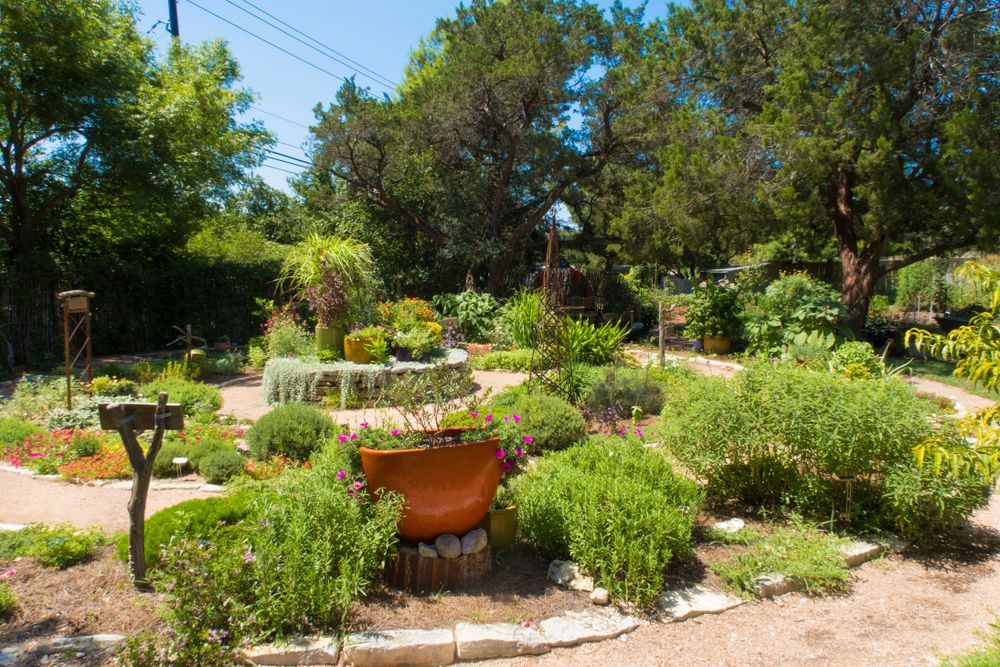
If you have ever planted something that looked great in April and was dead by late June, you already know the problem. Houston's humid subtropical heat, dense clay soil, and swings between drought and heavy rain create conditions that eliminate most plants sold at national garden chains.
Choosing the best plants for Houston heat means accounting for all of it: the 95-degree heat, the thick clay that drains slowly, and the humidity that never really lets up. PearceScapes has spent over 10 years sourcing and installing plants across the Greater Houston area, and that local experience makes a real difference when you are deciding what goes in the ground.
Keep reading to learn which flowering shrubs, perennials, ornamental grasses, and structural plants hold up through a Houston summer, how to build a plant palette that fits your specific lot, and what questions to ask before you buy anything at a garden center.
What Makes a Plant Succeed in Houston Yards
Most plants sold nationally are rated for general hardiness zones, but Houston's USDA Zone 9a conditions add layers that zone ratings alone cannot capture.
Heat, Humidity, and Clay Soil Change the Plant List
Houston averages more than 100 days a year above 90 degrees, and nighttime temperatures during peak summer rarely drop below 80 degrees. That combination stresses plants in ways that daytime heat charts do not capture. Many ornamentals that handle dry desert heat cannot recover overnight in Houston's humid subtropical air.
Clay soil compounds the problem. Houston's native clay is dense and slow to absorb water. It holds moisture near the surface long after a rainstorm, then bakes into hard, compacted ground during dry stretches. Plants need roots that can handle both extremes without rotting or suffocating.
The Native Plant Society of Texas encourages homeowners to focus on species that evolved under these exact pressures. Native and Gulf Coast-adapted plants develop deeper root systems that buffer against both saturation and drought. That root depth is what keeps them alive when August arrives.
Why Drainage Matters as Much as Drought Tolerance
A plant labeled drought-tolerant can still die in a Houston yard if the soil stays saturated at the root zone for days after a storm. Poor drainage causes root rot, fungal issues, and crown dieback that resemble drought stress. Many homeowners add water when what the plant actually needed was better drainage.
If your beds stay wet for more than 24 hours after rain, the drainage challenge is real. Improving it does not always require a full system overhaul. Raising planting beds, amending soil, or adding a simple drainage path can make a direct difference in plant survival.
How Sun Exposure and Reflected Heat Affect Survival
South and west exposures in Houston receive intense afternoon sun that can push surface temperatures near hardscape well above air temperature. A plant rated for full sun in Missouri may scorch against a west-facing brick wall in Katy in July.
Reflected heat from driveways, sidewalks, and light-colored fencing adds a secondary heat load that most plant tags do not account for. Choosing plants that specifically tolerate reflected heat and radiated warmth from masonry is critical in those locations. Once you understand what your yard actually throws at its plants, you can match the right species to the right spot.
Flowering Shrubs and Woody Plants That Keep Color in Summer
The shrubs below are not just heat-tolerant. They actually bloom during the hottest months, when most ornamentals have quit blooming.
Lantana and Texas Lantana for Long Bloom and Pollinators
Lantana and Texas Lantana (Lantana urticoides) are workhorses in Houston landscapes. They bloom continuously from spring through frost, tolerate poor clay soil, and attract butterflies and pollinators throughout the season. They thrive in full sun and handle reflected heat well.
Texas Lantana is a native species that tends to be more compact and winter-hardy than hybrid varieties. Both types go drought-tolerant once established but still perform in Houston's wetter stretches. For front yard beds near driveways or mailbox plantings, Lantana delivers reliable color with very little supplemental watering by midsummer.
Texas Sage, Autumn Sage, and Salvia greggii for Tough Sunny Beds
Texas Sage (Leucophyllum frutescens) blooms in response to humidity, which makes it perfectly timed for Houston's rainy summer pulses. It grows 3 to 5 feet, tolerates clay and reflected heat, and needs almost no irrigation once established. The silvery foliage also adds texture between bloom cycles.
Autumn Sage and Salvia greggii (Autumn Sage's botanical name) bloom from spring through fall in shades of red, pink, coral, and white. They grow to 2 to 3 feet wide and push out new blooms repeatedly throughout the season. Both handle Houston's clay and humidity far better than most flowering shrubs their size.
Turk's Cap, American Beautyberry, and Plumbago for Flexible Color
Turk's Cap (Malvaviscus arboreus var. drummondii) is one of the most versatile plants for a Houston yard. It handles part shade, full sun, dry spells, and wet periods, and its red flowers feed hummingbirds from June through frost. It grows large, so plan for a 4 to 6-foot spread in a few seasons.
American Beautyberry (Callicarpa americana) produces clusters of vivid purple berries in the fall, making it a standout. It tolerates clay and part sun, stays low-maintenance, and attracts birds. Plumbago rounds out this group with soft blue flowers that bloom reliably in summer and tolerate the heat and humidity that would stress more delicate perennials.
Rock Rose, Flame Acanthus, and Pride of Barbados for Hot Exposures
These three thrive specifically in the toughest spots: south-facing beds, spots near concrete, and areas with little afternoon shade. Rock Rose (Pavonia lasiopetala) blooms pink from spring through fall and recovers quickly after summer heat waves. Flame Acanthus (Anisacanthus quadrifidus) produces tubular orange-red flowers that hummingbirds visit all season.
Pride of Barbados (Caesalpinia pulcherrima) grows aggressively in Houston's heat and produces bold red and yellow flowers through summer and fall. It dies back to the roots in a hard freeze but returns reliably from the root zone each spring. For a hot west-facing area where other plants fail, these three are proven performers.
Oleander, Bougainvillea, and Texas Mountain Laurel as Selective Accent Choices
Oleander handles Houston's heat and salt air but grows large and is toxic to people and pets. It works well as a back-of-border or screening plant in properties with the right space. Bougainvillea loves reflected heat and thrives against south-facing walls, but it is frost-sensitive and may need protection in hard freezes.
Texas Mountain Laurel (Sophora secundiflora) offers fragrant purple blooms in late winter and early spring. It is slow-growing and drought-tolerant but performs best in well-draining spots. Use it as a focal point rather than a mass planting. These three plants reward the right placement with long-term, low-maintenance performance.
Perennials and Ground Covers for Reliable Color With Less Fuss
Perennials come back each year, which matters when you are building a landscape you do not want to replant every season.
Black-Eyed Susan, Purple Coneflower, and Daylily for Sunny Beds
Black-Eyed Susan (Rudbeckia hirta) blooms in full sun from summer into fall and reseeds freely in Houston yards. It tolerates clay soil, humidity, and periods of drought without losing its bright yellow flowers. It is one of the most reliable perennials you can plant across a sunny bed in Cypress or Katy.
Purple Coneflower (Echinacea purpurea) works best with some afternoon relief from direct sun in Houston's hardest months, but it returns reliably for years. Daylilies (Hemerocallis varieties) bloom in waves through summer and tolerate clay with good drainage. Stella d'Oro and other reblooming types give you longer color windows than old-fashioned single-season types.
Society Garlic, Purple Heart, and Ferns for Contrast and Coverage
Society Garlic (Tulbaghia violacea) offers lavender blooms from spring through fall and tolerates the heat, humidity, and clay that knock out other perennials. Its strap-like foliage adds texture year-round, and it spreads slowly into a reliable ground cover.
Purple Heart (Tradescantia pallida) provides vivid purple foliage that holds color through heat and humidity and contrasts well with green plantings. Ferns thrive in Houston's shaded and part-shaded beds, especially in areas that stay moist. Holly Fern and Autumn Fern are two varieties that handle Houston's humidity and clay without root rot issues in beds with reasonable drainage.
Blue Mistflower and Coral Honeysuckle for Wildlife-Friendly Spots
Blue Mistflower (Conoclinium coelestinum) blooms in late summer and fall with lacy lavender-blue clusters that draw monarch butterflies during migration. It spreads by rhizome, so plant it where it has room to naturalize. It tolerates both part shade and clay.
Coral Honeysuckle (Lonicera sempervirens) climbs fences and trellises and produces red tubular flowers that hummingbirds prefer over many other plants. It is evergreen in most Houston winters and adapts well to the area's heat and humidity. Both plants add ecological value to a yard while staying low-effort once established.
Ornamental Grasses and Structural Plants for Texture and Heat Tolerance
Ornamental grasses add movement, structure, and seasonal interest to Houston landscapes without the watering demands of traditional perennial beds.
Pink Muhly and Gulf Coast Muhly for Movement and Fall Interest
Pink Muhly Grass (Muhlenbergia capillaris) is one of the most striking fall plants in Houston. Its feathery pink-to-purple seedheads glow in morning and evening light from September through November. It is heat- and drought-tolerant once established and grows well in the region's clay soils with reasonable drainage.
Gulf Coast Muhly Grass (Muhlenbergia filipes) is similar and equally at home in Houston conditions. Both grasses are low-maintenance after the first growing season and look best planted in mass groups of three to seven plants. A mass planting across a front bed or along a fence line creates real visual impact without ongoing irrigation demands.
Mexican Feather Grass and Inland Sea Oats for Soft Texture
Mexican Feather Grass (Nassella tenuissima) adds fine-textured movement to sunny beds and tolerates Houston heat well. It is drought-tolerant once established and pairs cleanly with bolder plants like Salvia or Pride of Barbados. Use it in drifts for the best visual effect.
Inland Sea Oats (Chasmanthium latifolium) handles part shade and is one of the better grasses for areas under trees or along north-facing beds. Its seed heads move in light wind and transition from green to tan as fall arrives. It spreads by seed and rhizome, so give it space to grow naturally.
Yucca, Red Yucca, and Agave for Strong Shape in Dry Sunny Areas
Yucca, Red Yucca (Hesperaloe parviflora), and Agave thrive in Houston's hottest, driest exposures. Red Yucca is actually in the agave family and produces tall coral flower spikes that hummingbirds visit all summer. It handles clay soil better than true desert succulents and survives Houston's wet winters.
Agave varieties that work in Houston include smaller landscape forms suited to well-draining spots or raised beds. These plants add bold architectural shape to a landscape and require almost no irrigation once established. They are a strong choice for south-facing beds near driveways or patios.
Yaupon Holly and Dwarf Yaupon Holly for Evergreen Structure
Yaupon Holly (Ilex vomitoria) is a native Texas evergreen that tolerates waterlogged clay, drought, full sun, and part shade. It produces red berries that birds eat throughout winter and holds its structure in heat that would stress most broadleaf shrubs. It is as reliable as any plant you can put in a Houston yard.
Dwarf Yaupon Holly stays under 3 feet tall and works well as a border plant, foundation planting, or low mass planting. Both forms are nearly pest-free, require minimal pruning, and hold their deep green foliage year-round. For structural consistency in a planting bed, few plants match Yaupon's reliability across Houston's range of conditions.
How to Build a Plant Palette That Fits Your Lot
A plant list is only useful when it matches the real conditions of your specific yard, not a textbook description.
Best Picks for Full Sun Front Yards and Parkway Beds
Full sun front yards in Cypress or Katy face some of the most intense conditions on a residential lot. The combination of reflected heat from the street, limited shade, and afternoon sun exposure demands plants that bloom and hold up without daily intervention.
Strong picks for these spaces include Lantana, Texas Sage, Red Yucca, Pink Muhly Grass, and Dwarf Yaupon Holly for structure. Layer taller plants like Texas Sage at the back, mid-height bloomers like Autumn Sage in the middle, and low-growing ground cover or grass at the edge. This layered approach creates a full, maintained appearance without constant replanting.
Plants That Handle Mixed Moisture and Heavy Rain Better
Some areas of a Houston yard stay wetter longer after storms. Low spots, areas near downspouts, and beds with tight clay can hold water for a day or two after heavy rain. Planting into those areas without accounting for saturation is a common reason plants fail in their first summer.
Good choices for moisture-tolerant spots include Turk's Cap, Blue Mistflower, Inland Sea Oats, and Society Garlic. These plants can handle wet clay between storms while still managing Houston's dry stretches. If your low spots regularly stay wet for 24 to 48 hours, proper landscape drainage installation may be the foundational fix that makes everything else work.
When to Use Native Plants Versus Adapted Ornamentals
Native plants like Yaupon Holly, Turk's Cap, Coral Honeysuckle, and Gulf Coast Muhly need less irrigation, fertilizer, and pest control because they evolved here. Once they establish, they largely take care of themselves. This matters in the Cypress and Katy neighborhoods, where irrigation systems incur real monthly costs.
Adapted ornamentals like Bougainvillea, Plumbago, and Angelonia perform well in Houston but may need supplemental water during dry stretches or frost protection in hard freezes. Neither category is better across the board. The question is which combination fits your maintenance goals and specific bed conditions.
Simple Grouping Tips for a Cleaner, Lower-Maintenance Look
Grouping plants in odd numbers (three, five, seven) creates a more natural, intentional appearance than evenly spaced rows. Massing the same variety together rather than mixing too many types in a small bed makes maintenance easier, and the planting reads as more cohesive from the street.
Combine plants with different bloom seasons so that something is always active in each bed. Desert Willow, for example, blooms in summer when many shrubs are between cycles and adds vertical structure to a planting that might otherwise look flat. Think of each bed as a three-season plan: spring color, summer performers, and fall interest from grasses or berries.
Choosing Plants That Still Look Good in August
August is the real test. If a plant looks good in August in Houston, it belongs in your landscape.
What to Ask Before You Buy at a Garden Center
Not every plant labeled heat-tolerant at a national garden center is suited to Houston's specific combination of clay soil, humidity, and wet summers. Before you buy, ask these questions:
- Is this plant native or adapted to the Gulf Coast and USDA Zone 9a?
- Does it tolerate clay soil or does it require amended, well-draining soil to survive?
- Will it handle both dry spells and standing water after a storm?
- Does it bloom, or does it hold its foliage through July and August?
- How large does it get at maturity, and does that fit your space?
A plant that answers yes to most of those questions is worth planting. One that requires drainage it cannot get from your yard, or that peaks in May and struggles by July, is going to cost you time and money to replace.
Common Houston Planting Mistakes to Avoid
Planting in summer is one of the most consistent mistakes Houston homeowners make. When daytime temperatures exceed 90 degrees and nights remain above 80 degrees, plants struggle to recover from transplant stress. Spring planting, from March through May, and fall planting in October and November give roots time to establish before the hardest conditions arrive.
Overwatering is another recurring issue. Clay soil stays wet long after irrigation runs. Running sprinklers on a standard timer during a rainy stretch in Houston can lead to root rot that looks identical to drought stress. Smart irrigation controllers that adjust to local weather can prevent this, and a properly designed system makes it much easier to match water delivery to each zone's actual needs.
Planting too close to structures is a third common error. Shrubs that reach 6 feet in three years, planted 18 inches from a foundation wall, create problems for the plant, the drainage, and the structure. Always plan for mature size.
When Professional Planting, Irrigation, or Drainage Help Makes Sense
If your yard has recurring wet areas, compacted clay, or beds that seem to lose plants every summer, the issue is usually systemic, not plant choice. Amending the soil, improving grading, adding drainage, or redesigning irrigation zones can change what survives in your yard more than switching to a different plant can.
A well-designed irrigation system with zone-specific programming keeps plants at the right moisture level without overwatering clay soil. Properly placed outdoor lighting extends the time you actually use your outdoor space in the evening, when summer heat drops to a manageable level. Both improvements compound the investment you make in plant selection.
Ready to Stop Replacing Plants Every Summer?
Choosing the right plants for Houston heat starts with being honest about your yard's actual conditions: how much sun it gets, how long it holds water, and how hot the hardscape runs in August. Match those realities with proven Gulf Coast performers like Lantana, Yaupon Holly, Pink Muhly, and Turk's Cap, and you build a landscape that holds up year after year rather than requiring constant replacement.
A plant list is a starting point. Getting it right on your specific lot in Cypress, Katy, or surrounding areas means accounting for drainage, irrigation, soil, and exposure together, not one at a time.
If your yard has been through one too many summers of failed plantings, a conversation with a local team is a practical next step. Contact PearceScapes to schedule your free consultation and get a plant and installation plan tailored to your yard's actual conditions.