
Evergreen Shrubs for Clay Soil With Poor Drainage in Houston Yards
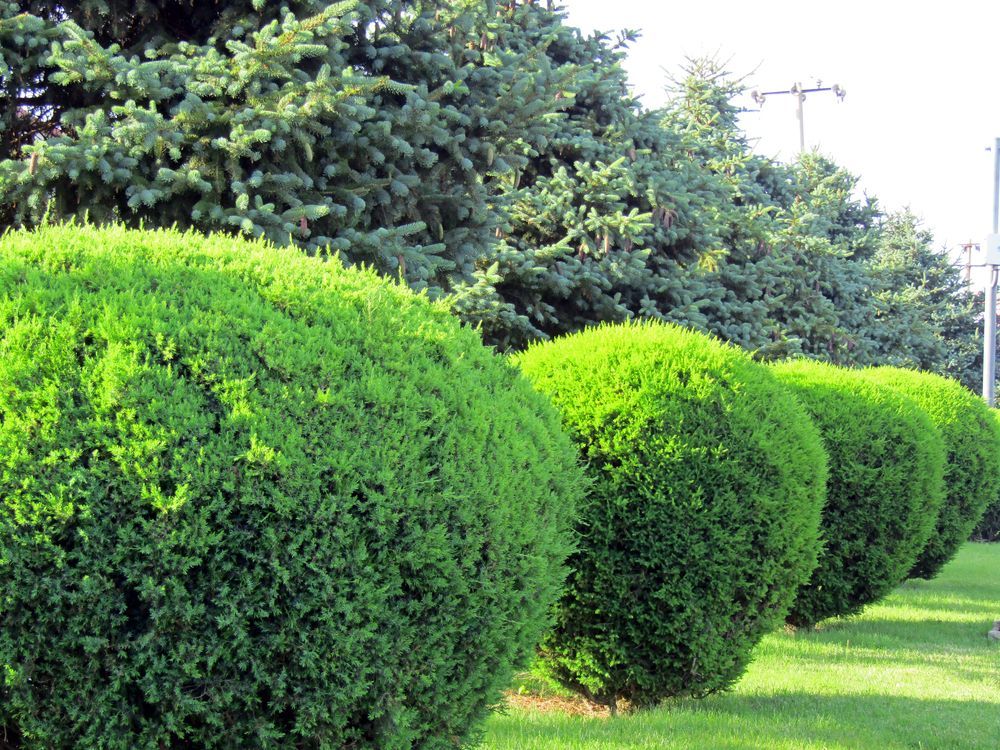
If your yard holds water for days after a storm, you already know how hard it is to find evergreen shrubs for clay soil with poor drainage that survive in Houston clay. The heavy Vertisol-type clay common across Cypress, Katy, and master-planned communities like Bridgeland and Towne Lake does not drain quickly.
Choosing the right evergreen shrubs for clay soil with poor drainage is one of the most practical decisions you can make for a Houston yard. The wrong plant dies in a season. The right one holds structure, stays green year-round, and survives both the wet winters and the brutal July heat without constant attention.
Keep reading to learn which evergreen shrubs actually perform in wet clay, how to plant them so roots don't rot, and when a soggy yard needs more than just better plant selection. This guide from PearceScapes focuses on what works under Gulf Coast conditions, not on generic advice written for loam soil in a milder climate.
How to Choose Shrubs That Can Handle Houston Wet Clay
Houston clay soil is not just heavy; it also swings between extremes. It saturates completely in winter and spring, then bakes into dense, cracked blocks during summer heat. Most shrubs struggle with that range.
What Wet Clay Does to Shrub Roots
When soil remains saturated, oxygen is displaced from the pore spaces in the soil. Roots need oxygen to function. Without it, they suffocate and begin to rot, even in plants that tolerate moderate moisture. This is why a shrub can look fine for a few weeks and then collapse rapidly.
Wet clay also stays cold longer in late winter. That delays root establishment in newly planted shrubs. By the time roots are ready to grow, summer heat has already arrived, putting the plant under immediate stress.
The Three Filters That Matter Most in Greater Houston
When you evaluate a shrub for a clay soil yard in Cypress or Katy, run it through these three filters before buying:
- Tolerance for standing water or saturated soil. The plant needs to survive days of wet feet, not just occasional dampness.
- Proven performance in USDA zone 9a heat and humidity. Gulf Coast summers are long and humid. A shrub rated for wet conditions in the Pacific Northwest may not survive a Houston August.
- Low-maintenance upkeep for a suburban lot. If it requires constant pruning, specialized soil, or frequent disease treatment, it will become a problem rather than a solution.
These three filters eliminate most of what you will find at a general garden center without a local guarantee.
Why Many Big-Box Shrubs Fail in Cypress Yards
National retailers stock for broad regional appeal. A shrub on the shelf in Cypress was often selected for zone 8 or 9 in general, without accounting for clay-specific drainage. Boxwood is a good example. It can handle some clay, but it is highly vulnerable to boxwood blight and root rot in Houston's humid conditions unless planted with excellent drainage built in.
What works in a neighbor's yard in Georgia or North Carolina often fails here because the soil structure is fundamentally different. That is why locally grounded plant selection matters more in this region than in almost any other.
Once you have the right filter in place, the next step is identifying specific shrubs that actually clear it.
Best Evergreen Shrubs for Soggy Yards
A handful of evergreen shrubs genuinely perform in wet, compacted clay without needing perfectly amended soil. These picks are assessed against Houston-specific conditions, not general national standards.
Winterberry (Ilex verticillata)
Winterberry is one of the most reliable choices for consistently wet soil. It is a native holly species that grows naturally along creek beds and flood-prone edges, which means saturated clay is not a stress condition for it; it is a home condition. In Greater Houston, it handles humidity well and maintains color through winter.
Winterberry is technically deciduous, dropping leaves in winter, but its bright red berries provide strong visual interest from fall through early spring. If you need a fully evergreen option, pair it with a broadleaf evergreen neighbor to keep the bed structured year-round.
Viburnum (Viburnum spp.)
Several viburnum varieties tolerate heavy, wet clay better than most evergreen shrubs on the market. Walter's viburnum (Viburnum obovatum) is native to the southeastern United States and adapts well to Houston's soil and climate. It handles compacted, clay-heavy ground and can manage periodic flooding without significant die-back.
Viburnum also offers seasonal interest with white spring flowers and attractive foliage. It grows at a moderate rate and requires minimal pruning to maintain a clean shape in a residential bed.
Holly Options for Heavy Soil
Native and hybrid hollies are among the most reliable evergreen shrubs for clay soil with poor drainage in the Houston area. Yaupon holly (Ilex vomitoria) is particularly well suited to Gulf Coast conditions. It is drought-tolerant once established, handles wet clay during rainy seasons, and thrives in Houston's summer heat and high humidity.
Dwarf yaupon varieties stay compact and work well for low borders and foundation beds. American holly (Ilex opaca) is a larger option that provides full structure and year-round green coverage in heavier soils.
Boxwood and Where It Works Best
Boxwood can succeed in clay soil, but only when drainage is actively managed. In a Cypress yard where water pools after rain and humidity remains high, standard boxwood faces a real risk of Phytophthora root rot and boxwood blight. If you want to use it, plant it in a raised bed in an area of the yard that drains faster than average and provides good airflow.
Do not plant boxwood in low spots or areas that stay wet for more than 24 to 48 hours after rain. In those conditions, a yaupon holly or viburnum will outperform it every time.
Yew and Other Shrubs to Treat With Caution in Houston
Yew (Taxus spp.) tolerates moist soil in cooler climates, but it is not well adapted to Houston's heat and humidity. High summer temperatures combined with prolonged wet soil can cause rapid decline in yews. They are a common recommendation in national gardening guides, but they are not a reliable choice for a Greater Houston yard with clay drainage problems.
Similarly, English laurel and some junipers are often suggested for clay but struggle in the combination of wet winters and blazing-hot, humid summers that define this region.
Knowing what not to plant is just as useful as knowing what to plant, and filling the spaces around your anchor shrubs with the right support plants can make the whole bed stronger.
Support Plants for Beds Around Evergreen Shrubs
Filling a clay soil bed with evergreen shrubs alone can leave gaps and create a flat look. The right support plants add color, cover bare soil, and help manage moisture at the ground level.
Cornus Sericea for Problem Low Spots
Red twig dogwood (Cornus sericea) is one of the most water-tolerant shrubs you can add to a wet-clay landscape. It is not evergreen, but its red winter stems provide year-round structure and visual interest even after leaf drop. It grows naturally in wet, low areas and handles standing water for extended periods without losing vigor.
Plant it at the lowest point of a bed where water consistently pools. It stabilizes that area while giving the landscape something worth looking at in the off-season.
Creeping Jenny as a Moisture-Tolerant Ground Cover
Creeping Jenny (Lysimachia nummularia) is a low, spreading ground cover that thrives in moist to wet soil. It fills in around the base of shrubs, suppresses weeds, and reduces soil splash during heavy rain. Its chartreuse-yellow foliage contrasts well with darker green hollies and viburnums.
It spreads quickly in Houston's warm seasons, so give it a defined border. In a clay-heavy bed, it helps manage surface moisture between shrubs.
Cardinal Flower for Seasonal Color
Cardinal flower (Lobelia cardinalis) grows naturally in wet, low-lying areas and performs well in Houston clay. Its bright red spikes add vertical color in mid-to-late summer when many other plants are struggling with the heat. It is a strong attractor for hummingbirds and pollinators.
Plant it in clusters near the center or back of the bed. It dies back in winter but returns reliably in the same wet-clay conditions where it thrives.
Black-Eyed Susan for Drier Edges of Heavy Beds
Black-eyed Susan (Rudbeckia hirta) handles clay well but prefers the slightly drier edges of a bed rather than the soggy center. Use it along the outer border where the soil drains marginally better. It blooms through summer and into fall, adding warm yellow color that extends the bed's seasonal interest.
This plant requires very little care once established in a Houston yard. It naturalizes well and fills in reliably from year to year.
Once the right plants are in the ground, the way you plant them matters just as much as what you plant.
Planting Methods That Prevent Root Rot
In wet clay, planting technique is not optional. The right method can be the difference between a shrub that thrives and one that rots within a year.
Plant High Instead of Deep
The most important adjustment you can make in a clay-heavy yard is to plant your shrubs at a higher elevation. Set the root ball so the top sits two to three inches above the surrounding soil grade. Then mound amended soil over the exposed root zone. This keeps the crown of the plant above the waterline during heavy rain events.
Planting too deep in clay soil is one of the most common causes of shrub failure in Greater Houston. Water collects around the base and stays there. The crown rots before the roots ever have a chance to spread.
Shape Beds to Move Water Away
Beyond planting depth, how you grade the surrounding bed matters. Shape the bed so the soil slopes gently away from the bases of shrubs in every direction. This moves surface water out of the root zone after rain instead of letting it pool. Even a two- to three-inch drop across several feet of bed width makes a meaningful difference in how long roots remain in saturated soil.
Proper bed grading is the kind of detail that is easy to overlook during installation, but that pays off every rainy season.
Mulch, Spacing, and Airflow in Humid Conditions
Apply two to three inches of mulch across the bed to regulate soil temperature and slow surface evaporation. Keep mulch pulled back a few inches from each shrub's stem. Mulch piled against the stem holds moisture directly against the wood, which encourages rot and fungal disease in Houston's humid climate.
Space shrubs far enough apart for air to move freely between them. Dense plantings trap humidity at ground level, which increases disease pressure. Your plant tag's spacing recommendation is the minimum; in Houston, slightly wider spacing helps.
Planting technique gives your shrubs the best possible start. But if the soil itself is working against you, there is more you can do.
Improving Soil Without Making Drainage Worse
Working with clay soil directly is worth doing, but only in the right way. Some common amendments actually make drainage problems worse.
When Improving Clay Soil Helps
Amending clay soil is most effective when you do it across a wide area, not just inside individual planting holes. Broad-scale amendment changes how the soil behaves across the bed. A single-hole amendment creates a container effect, in which water drains into the improved hole and then pools there because the surrounding clay does not drain at the same rate.
Compost is the most practical amendment for Greater Houston clay. It adds organic matter, improves soil structure over time, and helps beneficial microbes establish. Work compost into the top eight to twelve inches of the entire bed before planting.
Why Gravel in Planting Holes Backfires
Adding gravel to the bottom of a planting hole is a widely repeated piece of gardening advice that does not hold up in clay soil. When water moves from dense clay into a gravel layer, it slows down at that boundary rather than speeds up. This is called a perched water table, and it keeps the root zone wetter than it would be without the gravel.
Leave gravel out of planting holes. Focus instead on mounding, bed grading, and wide-area compost incorporation.
Compost, Wider Bed Prep, and Slow Soil Improvement
Improving clay soil is a multi-season process. You will not fix it in a single planting session. Add two to three inches of compost to the bed surface each fall, and let it break down and work into the soil over winter. Repeat the following year. Over two to three seasons, you will notice improved structure and faster drainage.
Expanded shale is another amendment worth considering for Houston yards. It permanently opens up the clay structure and does not break down like organic matter. Blend it into the top layer of the bed, alongside compost, to improve both drainage and water retention between rain events.
Even well-amended soil has limits. If your yard's drainage issues are structural, no amount of compost will fully solve the problem.
When a Planting Problem Is Really a Drainage Problem
Sometimes a yard repeatedly kills shrubs not because of bad plant selection or poor technique, but because the property itself needs drainage work.
Signs Your Yard Needs More Than Better Shrubs
A few signs that your yard's drainage problems go beyond what plant selection can fix:
Water stands in the same areas for more than 48 hours after rain
- Soil stays soggy more than two feet below the surface
- Mulch and topsoil wash out of beds consistently after storms
- Foundation areas or fence lines show erosion channels
- Previously healthy shrubs decline without obvious disease or pest cause
If you recognize your yard on that list, the underlying issue is likely a grading problem, inadequate drainage infrastructure, or both.
When to Pair Planting With Irrigation or Drainage Work
There is a common misconception that drainage problems and irrigation problems are opposites. In Houston, many yards need both addressed at the same time. A yard that floods after rain can still need supplemental irrigation during the dry stretches between storms. An irrigation and drainage plan built for Gulf Coast conditions accounts for both seasonal extremes rather than treating them as separate issues.
If you have already tried moisture-tolerant plants and still see repeated failures, a site evaluation is more useful than another trip to the garden center.
Next Steps for a Healthier Landscape
A healthy landscape in a clay-heavy Houston yard is achievable. It starts with the right plant selection, uses proper installation technique, and accounts for the site's real drainage behavior. Most homeowners who struggle with wet-clay yards have been working against the soil instead of with it.
The goal is a yard where evergreen shrubs hold their structure year-round, look good from the street, and do not require constant replacement. That is possible in Cypress, Katy, and every corner of Greater Houston where clay soil dominates. It just requires a locally grounded approach from the start.
Your Yard Can Work With Houston Clay, Not Against It
Choosing the right evergreen shrubs for clay soil with poor drainage in a Greater Houston yard is not complicated when you start with plants actually suited to these conditions. Yaupon holly, viburnum, winterberry, and native hollies all hold up through wet winters and brutal summers without demanding perfect soil.
Planting technique and soil preparation matter just as much as species selection. Planting high, grading beds to reduce runoff, and working compost broadly across the entire bed give your plants the conditions they need to establish and thrive in Cypress clay.
If your yard has a drainage issue that plant selection alone cannot fix, Pearce Scapes works with homeowners across Cypress, Katy, and the Greater Houston area to assess and address those underlying problems. Contact PearceScapes to request a free consultation and get a plan built for your specific yard.
Frequently Asked Questions
What evergreen shrubs grow best in Houston clay soil with poor drainage?
Yaupon holly, Walter's viburnum, and winterberry are among the most reliable choices for wet clay in the Greater Houston area. They tolerate saturated soil, handle Gulf Coast summer heat, and require low maintenance once established.
Why do shrubs keep dying in my Cypress yard even after I water them correctly?
In Houston clay soil, the problem is usually too much water, not too little. Clay holds moisture around roots long after rain stops, which causes root rot. Choosing water-tolerant species and planting them high above the soil grade helps prevent this.
Does adding gravel to a planting hole help drainage in clay soil?
No. Gravel at the bottom of a planting hole in clay soil creates a perched water table that traps moisture around the roots. Use wide-area compost incorporation and proper bed grading instead.
How do I know if my yard needs drainage work instead of just better plant selection?
If water stands in the same areas for more than 48 hours after rain, or if previously healthy shrubs decline without a clear disease cause, your yard likely has a structural drainage problem that plant selection alone cannot fix.
Can I use boxwood in a Houston yard with clay soil?
Boxwood can work in clay if drainage is actively managed and the plant is in a raised bed with good airflow. In low spots that stay wet for more than 48 hours after rain, yaupon holly or viburnum will reliably outperform boxwood.