
How To Choose A Design-Build Contractor For Outdoor Living In Houston
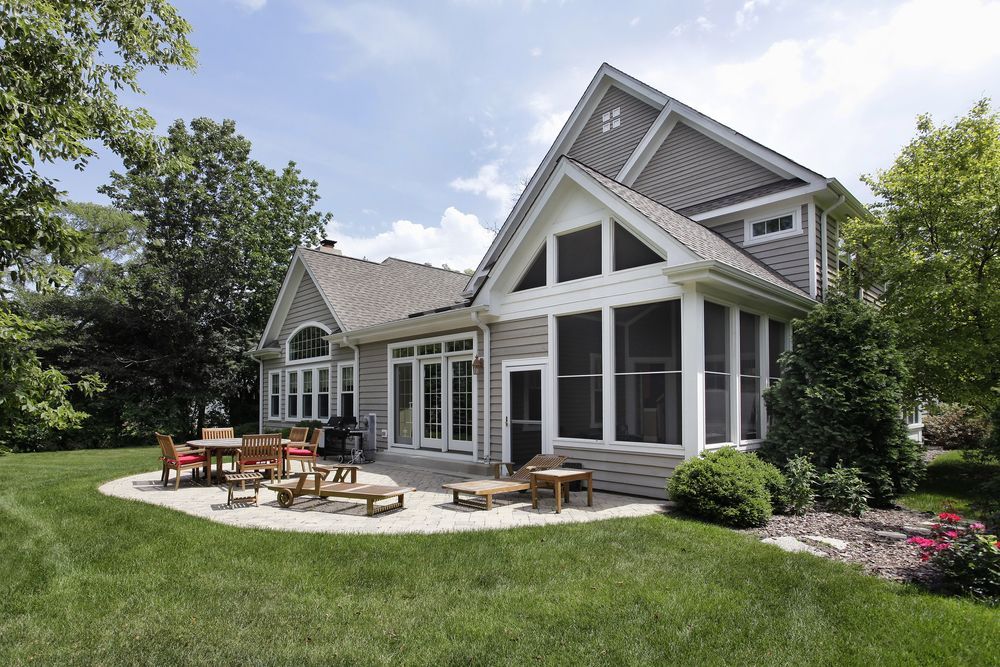
Your backyard has been a blank builder-grade slab for three years, or maybe your old patio floods every time a Gulf Coast storm rolls through. Either way, you are ready to build something your family will actually use. The problem is figuring out which contractor to trust with the project.
Choosing the right design-build contractor for outdoor living spaces is one of the most important decisions you will make before a single footing gets poured. The wrong hire means change orders that blow your budget, a patio that pools water on Houston's clay soil, or a pergola built by someone who did not pull the right permit.
PearceScapes has spent more than 10 years building outdoor living spaces across Cypress, Katy, and Greater Houston, maintaining an A+ BBB rating on every project. Keep reading to find out exactly what questions to ask, what warning signs to watch for, and how to compare contractors the way a local homeowner should, not the way a generic checklist tells you to.
Start With the Right Project Fit
Before you call a single contractor, get specific about what you want built and what problems you need the project to solve.
Define Your Goals for the Space
A vague brief produces vague bids. If you tell a contractor you want "an outdoor living area," you might get proposals ranging from a stamped concrete patio to a full outdoor kitchen with a pergola and drainage system. Write down the specific outcomes you want: shade by 4 p.m. on a west-facing yard, a covered space that stays dry during summer storms, a surface that does not crack over Houston's expansive clay soil.
Think about how the space will be used month to month. Houston's shoulder seasons, March through May and October through November, are prime outdoor living time. Your design should extend that window, not just survive it. A ceiling fan rough-in on a covered patio or an overhead misting system changes how often your family steps outside in September.
Once you have a clear picture of your goals, you can filter out contractors whose portfolio does not match your scope before you ever schedule a consultation.
Confirm the Contractor Handles Full Outdoor Living Scope
Not every contractor who builds patios can also route drainage, wire outdoor lighting, or tie a pergola into your roofline. If your project involves more than one trade, find out early whether the firm handles it in-house or subcontracts it out. Both models can work, but you need to know who is responsible if something goes wrong.
Ask the contractor directly: Do you design and build covered structures, drainage systems, and outdoor kitchens, or do you bring in separate subs for each trade? A true design-build firm ties all of those scopes under a single contract and a single point of contact. That matters when your French drain needs to coordinate with your patio grade.
Once you know the contractor can handle your full project, the next question is how their process keeps design, budget, and construction from drifting apart.
Check the Design-Build Process
The biggest advantage of a design-build firm is that the designer and the builder are the same team. If those two functions are not actually integrated, you are not getting that advantage.
Ask How Design, Budget, and Construction Connect
A well-run design-build process starts with a site assessment, moves into a concept with a real budget range attached, and locks down pricing before construction starts. Ask any firm you are considering: At what point in the process do I see a hard number? If the answer is "after we finish the design," that is a red flag. Design decisions should be made with cost awareness built in from the start.
For Houston-area projects, this matters more than it does elsewhere. Soil testing, drainage engineering, and footing depth requirements on expansive clay all add cost if they are not priced into the original plan. A contractor who discovers those conditions mid-project will hand you a change order. One who plans for them upfront will not.
Look for Single-Source Project Management
Single-source management means one person is accountable from the first site visit to the final walkthrough. You are not coordinating between a landscape designer and a separate general contractor. You are not calling three different offices to find out why materials have not arrived.
Ask who your day-to-day contact will be during construction. Ask what happens if that person is unavailable. A firm that cannot answer those questions clearly is likely running jobs the old-fashioned way, with too many handoffs and too little accountability.
Good project management also affects your HOA permit timeline. Communities like Bridgeland and Towne Lake have specific architectural review processes. A contractor who already knows those requirements can submit drawings that pass on the first review instead of cycling back for revisions.
Test Local Knowledge That Affects the Build
A contractor who built great decks in Dallas does not automatically know how to build on Houston's clay.
Review Experience With Clay Soil and Drainage
Houston's Vertisol clay expands when wet and contracts when dry. That movement cracks slabs, shifts footings, and creates low spots that hold water. Any contractor building a patio or outdoor structure on your property needs to know how to account for that.
Ask them directly: How do you handle clay soil movement when you set footings? Ask what footing depth they use and whether they compact or amend base material before pouring.
Drainage is equally important. Many neighborhoods in Cypress, Katy, and The Woodlands receive more than 50 inches of rain per year. A patio that grades toward the house is a liability. Look for contractors who integrate surface drainage into their hardscape designs, not just as an add-on but as a built-in feature.
- Positive drainage slope of at least 1/8 inch per foot away from structures
- Channel drains or slot drains at patio edges to intercept sheet flow
- French drains routed to a legal discharge point (street, swale, or easement)
- Permeable paver options for areas where runoff must infiltrate on-site
- Compacted gravel base layers that resist clay heave under hardscape
Ask How Materials Hold Up in Houston Heat and Humidity
Houston summers average more than 100 days above 90 degrees Fahrenheit. UV exposure, moisture cycling, and heat expansion stress every outdoor material differently. Pressure-treated wood warps and checks faster here than it does in drier climates. Low-quality composite decking gets soft and slick. Iron fasteners rust through faster in high humidity.
Ask the contractor what decking, framing, and fastener systems they recommend and why. A contractor who can explain why they prefer stainless steel hidden fasteners over face-screwed galvanized hardware on a deck in this climate knows their materials.
The same applies to plant material in a landscape plan. Summer heat load in Houston kills plants not adapted to Gulf Coast conditions, especially in west-facing beds with no shade relief. Knowing the difference between a contractor who just builds and one who designs for local conditions determines whether your long-term maintenance costs go up or stay manageable.
Compare Proof of Credibility
Credentials are not the only thing that matters, but they are the fastest way to eliminate risky hires early.
Verify Licensing, Insurance, and Trade Partners
In Texas, landscape contractors are not required to hold a state contractor's license, but electricians and irrigators are. If your project includes outdoor lighting or an irrigation system, confirm those trades are licensed. Ask for the license number and verify it through the Texas Department of Licensing and Regulation.
General liability insurance and workers' compensation coverage protect you if someone is injured on your property during the build. Ask for a certificate of insurance and confirm your property address is listed. Do not accept a verbal assurance.
For trade partners the contractor brings in, ask whether those subs are vetted and whether the contractor carries liability for their work. Specialty subs for outdoor kitchens, gas lines, or electrical rough-ins should be fully insured and permitted.
Use BBB Ratings, Reviews, and Past Work Wisely
An A+ BBB rating tells you the firm has a documented history of resolving complaints and operating transparently. It does not guarantee a perfect experience, but it signals accountability. Look at how long the business has held that rating, not just the current score.
Google reviews tell you about communication, timeline, and whether the finished product matched the proposal. Look for patterns across multiple reviews rather than fixating on one negative. A contractor with 80 reviews averaging 4.7 stars and consistent praise for on-time completion is a stronger signal than one with 12 reviews and no consistent theme.
Ask to see photos of completed projects in neighborhoods similar to yours. A contractor who has built in Bridgeland or The Woodlands has already navigated those HOA review processes and local soil conditions.
Read the Proposal Like a Homeowner
A proposal that looks complete on the surface can still leave you exposed to significant cost overruns.
What a Clear Scope of Work Should Include
Every line item in the proposal should be specific enough that another contractor could bid the same job based on it. Vague descriptions like "patio installation" or "landscape work" are not a scope of work; they are a blank check the contractor can fill in later.
A clear scope includes:
- Demolition and disposal of existing materials, if applicable
- Footing specifications: depth, diameter, and material
- Surface material: manufacturer, product name, thickness, and finish
- Drainage provisions: type, dimensions, and discharge point
- Structural framing: species, grade, and fastener type
- Electrical or plumbing rough-ins: circuit loads, conduit type, and fixture locations
If the proposal does not include these details, ask for a revised version before you sign. A contractor who resists that request is telling you something.
Spot Allowances, Exclusions, and Change Order Risks
An allowance is a placeholder amount for a material or trade that has not been priced yet. Allowances are not inherently bad, but they are often set low to make the total bid look competitive. Ask what each allowance is based on and what happens if the real cost comes in higher.
Exclusions are items specifically left out of the scope. Common exclusions in outdoor living proposals include permit fees, utility locates, tree removal, and drainage work beyond the immediate patio area. If those items apply to your project, they will be issued as change orders later.
Ask the contractor how change orders are priced and approved. A firm that requires written approval before any out-of-scope work starts is one that respects your budget.
Make the Final Decision With Confidence
You have done the research. Now it is time to make the call.
Questions to Ask Before You Sign
Use your final meeting with each contractor as a structured interview. Ask every firm the same questions so you can compare answers directly:
- Who is my project manager, and how do I reach them during construction?
- What is the payment schedule, and what does each payment correspond to?
- What is the realistic timeline from permit submission to final walkthrough?
- How do you handle warranty claims on workmanship versus manufacturer defects?
- Have you built projects in my HOA community, and do you know the ARB process?
A contractor who answers those questions clearly and specifically is far more likely to run a well-managed project than one who gives general reassurances.
How to Choose the Team You Can Trust Long Term
The best outdoor living contractors are the ones you call back years later for a second phase or a repair. That relationship starts with how they treat you during the sales process. If a contractor is slow to respond, vague about pricing, or pushes you to sign quickly, that behavior does not improve after the deposit clears.
Trust is also built through transparency about problems. Every project has them. Ask the contractor about a challenge they ran into on a recent job and how they handled it. A contractor who can describe a real problem and a real solution is more credible than one who says every project goes perfectly.
Local experience, clear process, verified credentials, and a detailed proposal are the four things that separate a contractor you can trust from one you will regret.
Frequently Asked Questions
What licenses, insurance, and permits should you ask for before a deck or patio build in Cypress, Bridgeland, or Towne Lake?
Ask for certificates of general liability insurance and workers' compensation, and confirm that your address is listed on each certificate. If the project includes electrical or irrigation work, those trades must hold Texas state licenses, which you can verify through the Texas Department of Licensing and Regulation. Permits are typically pulled through Harris County or the relevant city, and your contractor should handle the process as part of their scope.
How do you tell if a contractor knows Houston clay soil and will grade your yard so it drains after a hard Gulf Coast storm?
Ask them directly how they handle footing depth and base preparation on expansive clay soil, and what drainage slope they build into their patio designs. A contractor who can answer those questions with specifics, not generalities, has worked in Houston conditions before. If they cannot explain how they route water away from the structure and toward a legal discharge point, that is a gap you will pay for after the first heavy rain.
What should you look for in a design plan and contract so your patio cover actually stays comfortable in Houston humidity and summer heat?
Look for fan rough-ins, adequate roof pitch for airflow, and material specs that account for moisture cycling and UV exposure. The contract should name the specific materials, not just categories, so you know exactly what is being installed. A plan that ignores west-facing sun angles or omits ventilation details will make your covered patio feel like a sauna from June through September.
How do you compare bids so you know what's included — demo, footings, drainage, electrical, and finish details — and what will turn into change orders?
Line up each bid side by side and check whether it includes a specific scope for demolition, footing specs, drainage provisions, and any electrical or plumbing work your project needs. If one bid is significantly lower, ask which line items are missing or covered by a placeholder allowance. The lowest bid is often the one with the most exclusions, which means the final cost can be higher than that of a more detailed proposal from a competitor.
What questions should you ask about materials and fastening so your outdoor living space holds up to wet summers and doesn't warp, rust, or loosen?
Ask the contractor to name the specific decking product, frame lumber species and grade, and fastener type they plan to use. In Houston's humid climate, stainless steel fasteners outperform galvanized over time, and composite decking products vary widely in heat and moisture performance. A contractor who can explain their material choices based on Gulf Coast conditions is one who has seen what happens when the wrong products are installed here.
How can you check a contractor's track record before you sign?
Start with the BBB website to confirm the rating, check how long it has been maintained, and see whether any complaints were resolved or left open. Search Google reviews for mentions of neighborhoods near you, and note whether the feedback describes on-time completion and accurate pricing. Ask the contractor for photos of completed projects in your area and, if possible, contact information for a past client in a similar community.
Ready to Build an Outdoor Space That Works for Your Yard
Choosing a design-build contractor is not about finding the cheapest bid or the slickest proposal. It is about finding a team that knows Gulf Coast soil, designs for Gulf Coast weather, and stands behind their work long after the crew leaves.
If your project is in Cypress, Katy, Fulshear, or the Greater Houston area, PearceScapes is a local team that meets the criteria outlined in this article: over 10 years of experience, an A+ BBB rating, and a design-build process tailored to the specific conditions your yard faces.
Reach out to schedule a free consultation and get a clear picture of what your outdoor living space could look like, and what it will actually cost to build it right.