
Sprinkler Repair Cypress TX: When a Simple Fix Is Enough
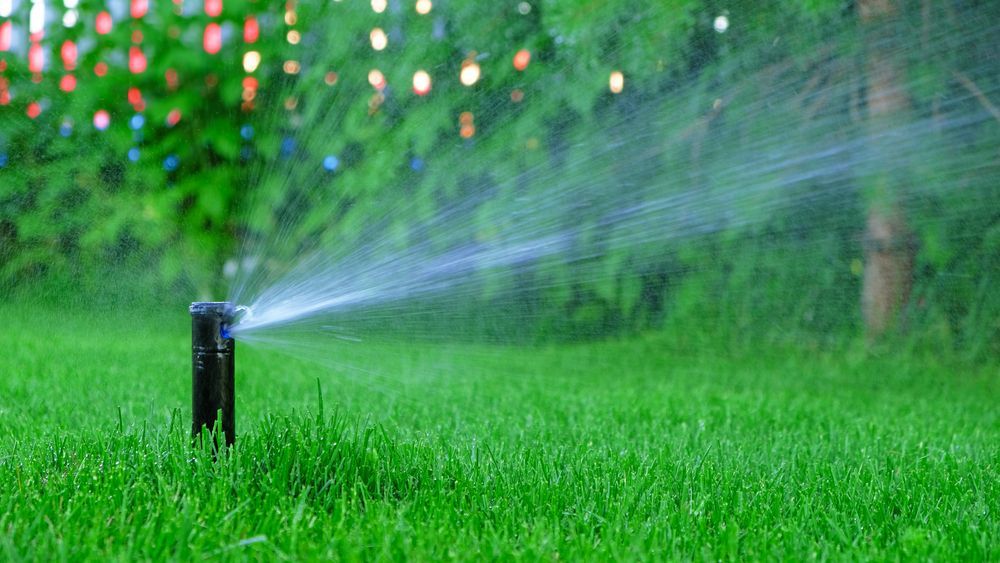
The Gulf Coast climate puts real pressure on irrigation systems. Clay soil shifts with every rain cycle, rotor heads take direct hits from mowers, and the summer heat load on turf here is genuinely punishing. A system that was balanced in April can develop noticeable gaps by July just from soil movement and sediment buildup.
These problems show up fast, and the team at PearceScapes knows that timely Sprinkler Repair in Cypress is essential to prevent turf loss. The good news is that most irrigation issues come down to a handful of fixable problems, and knowing which one you have saves time and money before you dig anything up.
Keep reading to find out which problems you can handle yourself, which ones need a licensed irrigator, and what a professional service visit actually looks like for a Cypress or Katy homeowner.
What Usually Goes Wrong in Cypress Irrigation Systems
Most irrigation failures in Cypress trace back to three root causes: sediment, pressure shifts, and heat-driven plant stress.
Clogged Spray Heads From Clay Sediment
Clay sediment is one of the most consistent problems in Cypress yards, especially in neighborhoods built on the Vertisol clay that dominates Harris County. When your system pulls from a municipal line, fine particles settle in the lateral lines between runs.
Over the course of a season, that sediment packs into nozzle filters, restricting flow to a trickle. You might see a head that looks like it's working but only throws water three or four feet instead of twelve.
The fix for a sediment-clogged head is usually a nozzle pull and rinse, not a full replacement. Pop the head up by hand, unscrew the nozzle, and run water through it while you hold the filter under a tap. If the filter is cracked or the orifice is worn, a new nozzle costs less than two dollars at most hardware stores.
Bridgeland and Towne Lake homes often see this issue more in the first two or three years after construction, when disturbed soil is still settling into lateral lines.
Pressure Loss Tied to Soil Movement
Houston's clay soil expands when it's wet and contracts hard when it dries out. That cycle stresses buried PVC fittings at connection points, and a hairline crack at a fitting elbow can drop zone pressure noticeably without producing a visible puddle. You might run a zone and see rotors that barely complete their arc, even though the heads themselves look fine from the surface.
Pressure loss that's isolated to one zone while others run strong usually points to a lateral line crack or a fitting failure rather than a mainline problem. A licensed irrigator can use pressure gauges zone by zone to pinpoint exactly where the drop is happening.
Dead Zones After Summer Heat Stress
A dead zone in August is not always a mechanical failure. In some cases, run times that were adequate in May are simply not enough to replace what the turf loses to evapotranspiration by July. Harris County average daily ET in peak summer can exceed half an inch per day for established turf, which means a ten-minute rotor cycle may cover less than half the actual need.
Before assuming a zone is broken, check whether the dry patch grows or stays fixed in shape. A perfectly rectangular dry patch usually points to a coverage gap or a skipped zone. An irregular, spreading brown area is more often an ET deficit or a compaction issue in clay soil that's limiting water uptake.
Understanding which failure mode you're actually dealing with shapes every repair decision that comes next.
How to Diagnose the Problem Before You Dig
A good diagnosis takes about twenty minutes and keeps you from replacing parts that aren't broken.
Signs of a Head Issue vs. a Valve Issue
When a single head in a zone is weak or not rotating, the problem is almost always at that head, not the valve. When an entire zone either fails to come on or produces uniformly low pressure across every head, the valve is the more likely culprit.
Solenoid valves in Cypress systems take a beating from power surges during summer thunderstorms, and a valve that's partially stuck open or closed will affect every head in that zone equally.
A quick test: manually turn on the zone at the controller and walk the zone while it runs. If one or two heads are clearly weaker than the others, that narrows it to those heads or the lateral line feeding them.
What Uneven Coverage Looks Like in Real Yards
Uneven coverage leaves a visual signature you can read from the curb. Look for these patterns during a zone run:
- A single dry arc in an otherwise green zone points to one rotated or tilted head
- Half the zone green, half dry often means a split lateral line or a blocked rotor
- A wet ring around a head with nothing beyond it suggests a worn nozzle or stuck rotor
- Puddles at one head while others run normally indicate a head with a broken wiper seal
In Cypress yards with mature tree roots, Bridgeland communities with raised berms, or Towne Lake lots with grade changes, uneven coverage can also result from backpressure and elevation differences across a single zone.
Safe First Checks Around Controllers and Wiring
Before touching any wiring, switch the controller to the off position and confirm that the display shows the correct day and time. A dead controller battery can cause zones to skip or fire at wrong intervals, and that's a two-dollar fix. Check that the rain sensor, usually a small disc mounted on a fence or eave, is dry and not stuck in the off position from a storm a week ago.
Wiring checks beyond the controller connection should be left to a licensed irrigator unless you have a multimeter and know how to read zone resistance. A short in a valve wire shows up as a zone that won't turn off or a controller that reads a fault.
Getting the diagnosis right before any repair saves you from buying parts you don't need and clearly sets up the actual fix.
Repairs You Can Usually Handle Yourself
Several of the most common Cypress sprinkler problems are straightforward DIY repairs that don't require digging or licensed work.
Cleaning or Replacing a Blocked Nozzle
Turn off the zone at the controller, then press down the head body to expose the nozzle. Most residential spray heads use a quarter-turn nozzle that lifts straight off once you twist it. Hold the nozzle under running water and use a small pick or toothpick to clear the orifice. If the filter screen is torn or the plastic shows cracks, buy a matching replacement nozzle using the radius stamped on the cap.
Rainbird 1800 and Hunter Pro-Spray nozzles are the two most common brands in Cypress subdivisions. Both are widely available at local hardware stores and irrigation supply houses on Highway 290.
Straightening Sunken or Tilted Heads
Clay soil movement is the main reason heads tilt or sink over time. A head that's angled even ten degrees off vertical will throw its pattern short on one side and overshoot on the other. To straighten it, run the zone so the head pops up, then pack moist soil or fine gravel around the base while it's extended. Hold the body vertical until you can tamp the soil firm enough to hold it.
If the head keeps sinking after two or three corrections, the swing joint or riser below it is likely loose. A swing joint replacement is a one-part fix that costs about three dollars and takes fifteen minutes with no PVC cement required.
Adjusting Spray Pattern and Run Time
Rotor heads have an adjustment slot on top of the nozzle that you turn with a small flat-blade tool or the tip of the rotor key that came with the system. Turning clockwise reduces the arc; counterclockwise widens it. Spray head patterns are set by nozzle selection, so a half-circle head needs to be swapped for a quarter-circle nozzle rather than adjusted.
Run time changes are made at the controller. In peak Cypress summer, most turf zones benefit from run times that deliver about one inch of water per week across two or three cycles, rather than one long daily run that promotes shallow roots in clay.
Even with DIY repairs done well, some problems need professional tools and licensing to fix safely.
When It Makes Sense to Call a Licensed Irrigation Pro
Some sprinkler problems in Cypress genuinely require a licensed irrigator, either because of safety, complexity, or the cost of getting it wrong.
Hidden Leaks Under Turf or Beds
A soggy patch that never fully dries between rain events is a strong signal of a pressurized leak under the surface. In clay soil, water from a buried leak doesn't spread evenly; it pools at the surface in a spot that may be several feet from the actual break. Probing with a metal rod can help locate the cavity, but finding the actual crack in a PVC lateral line usually requires exposing the pipe.
A licensed irrigator carries a pressure gauge and can isolate zone segments to narrow a leak location before digging, which protects your plant beds and limits the repair area.
Electrical Faults and Controller Failures
When the controller shows a zone fault or a zone runs continuously even after you've turned the system off, the problem is electrical. This could be a solenoid coil that's failed, a wire splice that's corroded at a buried splice box, or a controller board that's been damaged by a surge. Cypress gets heavy summer lightning, and a nearby strike can take out a controller without tripping a breaker.
Replacing a solenoid is a straightforward job, but diagnosing which wire has a short requires a multimeter and knowledge of irrigation wiring standards. A licensed irrigator can test each zone wire at the controller terminals in about twenty minutes.
Recurring Zone Problems in Bridgeland and Towne Lake
Bridgeland and Towne Lake were both developed on heavily engineered lots with significant grade work and elaborate community drainage systems. Some lots in these communities have elevation changes that create backpressure in low-lying zones, and the irrigation systems were sometimes designed with pressure-compensating heads that need correct sizing to work properly.
If you've replaced heads or adjusted a zone multiple times and the problem keeps returning, the system design may need a zone-by-zone review from an experienced local irrigator who knows how these subdivisions were laid out.
Knowing what a professional visit actually looks like helps you decide whether the cost makes sense for your situation.
What to Expect From a Professional Service Visit
A solid service visit is structured and specific, not a general walk-around with a sales pitch attached.
System Testing and Zone-by-Zone Review
A licensed irrigator starts by running every zone from the controller and recording observations: head coverage, pressure, rotor rotation, and any zones that fail to activate. This gives a complete picture before any repair work begins. In a typical Cypress home with eight to twelve zones, a full zone review takes about thirty to forty-five minutes.
You should expect the tech to write down or photograph every issue found, not just the one you called about. A broken head in zone four doesn't mean zone seven is fine.
Repair Priorities That Protect Water Use
After the review, a good irrigator separates repairs into tiers:
- Active leaks or broken heads spraying into hardscape get fixed first because they waste water and money daily
- Coverage gaps that are stressing turf come next, especially before summer peak heat
- Minor arc adjustments or cosmetic alignment issues can wait if budget is a concern
Harris County water utilities track usage closely, and a significant leak on your irrigation system will show up on your monthly bill before you notice it in the yard.
How Local Conditions Affect Long-Term Performance
A knowledgeable local irrigator will also talk through seasonal adjustments specific to the Gulf Coast. Cypress averages about fifty inches of rain per year, but that rainfall is heavily front-loaded in spring and late fall. A smart controller with a local ET schedule or a soil moisture sensor can cut your summer irrigation bill meaningfully without letting turf dry out between storms.
Clay soil also compacts over time, which changes how water moves through your yard and affects where heads need to be aimed. Annual system checks catch these shifts before they become expensive repairs.
Frequently Asked Questions
How do you tell if a zone isn't getting water because of a bad valve or a broken line in Cypress clay soil?
Run the zone manually and check whether all heads come up or only some do. If no heads activate at all, the valve is the likely cause. If heads come up but pressure is weak across the whole zone, probe the lateral lines for soft spots that indicate a buried crack.
What usually causes low sprinkler pressure in Bridgeland or Towne Lake when one zone runs fine and the next barely sprays?
Elevation changes across the lot are often the cause in these communities, since grade differences affect static pressure between zones. A failing valve diaphragm that restricts flow is another common reason. A pressure gauge test at the valve box will confirm which it is.
How do you find and fix a hidden leak when you've got soggy spots that don't dry out after a week of Houston humidity?
Look for spots that stay wet even several days after a dry stretch. Mark the perimeter of the soggy area, then isolate the zone serving that area and watch the pressure gauge for a drop. A licensed irrigator can probe the soil to find the cavity and limit the excavation needed to reach the pipe.
When should you replace a spray head or rotor versus just cleaning the nozzle and adjusting the arc?
Replace the head when the wiper seal leaks at the base when the head is extended, when the body cracks after a mower hit, or when the rotor no longer completes a full arc after cleaning. Cleaning and adjustment are enough when the head pops up cleanly, holds pressure, and the issue is limited to the nozzle orifice.
What does it take to repair a controller or wiring issue when the schedule runs but the yard stays dry in summer heat?
Start by confirming the rain sensor isn't locked in the off position, since this is a common reason a schedule appears to run, but no water flows. If the sensor is clear, use a multimeter to test zone wire resistance at the controller terminals. A reading outside the normal solenoid range (20 to 60 ohms) points to a wiring fault or a failed solenoid coil.
If you've got a Rain Bird system, what repairs are most common after a hard freeze or a mower hit, and what should you expect?
After a freeze, Rain Bird 1800 series spray heads are the most common casualty because the body cracks when trapped water expands. After a mower hit, the riser or swing joint below the head usually takes the damage rather than the head itself. Both repairs are inexpensive in parts but require proper backfill and compaction in clay soil to keep the replacement from tilting again.
Ready to Get Your System Running Right
Most sprinkler problems in Cypress are fixable without a full system overhaul. The key is matching the right solution to the actual problem, whether that's a two-dollar nozzle swap or a licensed irrigator with a pressure gauge finding a buried crack. Gulf Coast conditions add specific wrinkles, from clay soil movement to summer ET demand, but none of them are unusual for a system that's properly maintained.
If your system has recurring zone failures, wiring issues, or problems that come back after a DIY fix, a professional assessment gives you a clear picture of what's actually happening across all your zones. You don't need to guess or keep patching the same head every season.
PearceScapes works with homeowners in Cypress and Katy who want a straightforward evaluation and honest repair options without pressure. Reach out for a free consultation when you're ready to get a second set of experienced eyes on your system.