
How to Amend Clay Soil for Better Drainage in Houston Yards
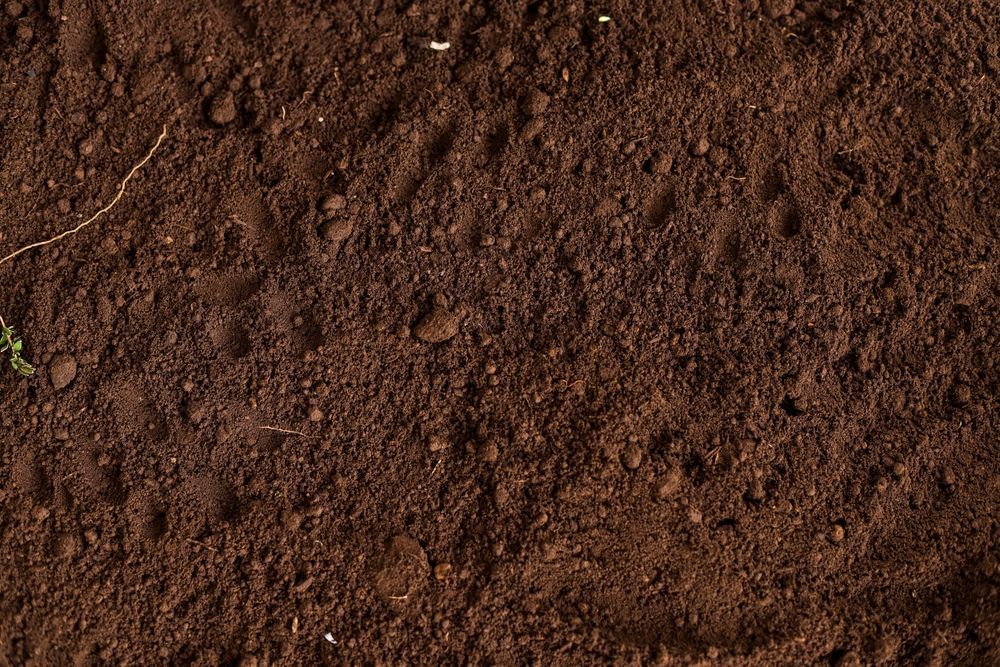
If your yard stays soggy for days after a storm, or your grass looks stressed even when the rest of the neighborhood looks fine, Houston clay soil is likely the reason. The dense, heavy clay found throughout Cypress, Bridgeland, Towne Lake, and similar master-planned communities holds water near the surface rather than letting it drain through.
That pooling is not just a cosmetic problem; it suffocates roots, invites fungal disease, and can put pressure on your home's foundation over time. PearceScapes has worked with this specific soil for over 10 years across Cypress and surrounding communities, so the guidance in this article is based on local conditions rather than generic recommendations.
Keep reading to learn how to test what your yard actually has, which amendments work in Gulf Coast clay, and how to apply them without making the problem worse. You will also learn when soil work alone is not enough and what to do next.
Why Houston Clay Holds Water and Stays Compacted
Houston sits on some of the most reactive clay soil in the country. In neighborhoods like Bridgeland and Towne Lake, the ground is often classified as Vertisol, a clay type that swells when wet and cracks when dry.
How Clay Particles Affect Soil Structure
Clay particles are extremely small, much smaller than sand or silt. They pack tightly together, leaving almost no room for air or water to move through. When you water your lawn or a storm rolls through, that water has nowhere to go quickly. It pools on the surface or saturates the top few inches and sits there.
This dense structure also means roots struggle to push through. Shallow root systems develop as a result, and plants become more vulnerable to heat stress, drought, and disease. The same soil that floods in spring bakes into something close to concrete by August.
Common Signs of Soil Compaction and Poor Soil Drainage
You may already recognize some of these in your own yard:
- Standing water that lingers 24 to 48 hours after rain
- Grass that yellows in patches even with regular watering
- Soil that feels hard and dry at the surface but wet just an inch below
- Deep cracks in the lawn or garden beds during dry stretches
- Roots that stay shallow and pull up easily after wet weather
Each of these points to the same root problem: compacted clay with no drainage path for water to escape.
Why Generic Garden Advice Often Fails in Greater Houston
Most national gardening content assumes loam or sandy soil as the baseline. Advice like "till in some compost and you are done" works in those conditions. In Houston, Vertisol clay often makes things worse.
Working wet clay with a tiller smears the particles together rather than loosening them. The result is a denser layer just below the surface, sometimes called a hardpan, that blocks drainage even more than before.
Gulf Coast humidity and heat also mean your soil stays wetter longer than in drier climates. That changes which amendments work, how deep you need to go, and when you can safely work the ground. Understanding those differences is what separates an improvement that lasts from one that fails by the following spring.
How to Check What Your Yard Really Needs
Before you buy any amendment, take 20 minutes to test your soil. Two simple methods will tell you more than most bag labels will.
Use a Simple Ribbon Test at Home
Grab a small handful of moist soil from your garden bed or lawn area. Squeeze it in your fist, then press it between your thumb and index finger to form a ribbon. If the ribbon holds together and stretches more than two inches without breaking, you have heavy clay. If it breaks quickly or feels gritty, you have a mix of clay and other materials that may respond faster to amendments.
This test takes about a minute and costs nothing. It gives you a reliable baseline before you spend money on products.
Run a Basic Drainage Check After Rain or Watering
After the next rain or a thorough irrigation cycle, walk your yard and note where water stands, how long it takes to disappear, and whether certain areas dry out faster than others. Mark those zones. Low spots, areas near downspouts, and places where the grade slopes toward the house tend to hold water the longest.
A simple percolation test adds more detail. Dig a hole about 12 inches deep and 12 inches wide. Fill it with water and let it drain fully. Fill it again and time how long it takes to drain that second fill. In healthy soil, water drops about one inch per hour. In heavy Houston clay, it may take several hours or longer. That gap tells you how much work your soil needs.
When a Soil Test Helps Before You Add Amendments
A basic soil test from a Texas A&M extension lab or a local garden center costs around $10 to $20. It tells you your soil's pH, organic matter level, and nutrient balance. Houston clay often runs alkaline, with a pH above 7.5, which affects how plants absorb nutrients even when the soil looks healthy on the surface.
If your plants keep struggling despite good care, a soil test can rule out nutrient deficiencies and confirm whether your pH needs adjusting before you add other amendments. It is a small investment that prevents a larger one from going to waste.
Which Amendments Help and Which Ones Waste Effort
Not every product on the shelf at the garden center will help Houston clay. Some are designed for sandy soils. Others work well in theory but are impractical at the scale your yard requires.
Compost, Leaf Mold, and Aged Manure for Better Pore Space
Compost is the most reliable starting point for improving clay soil drainage. It contains humic substances that bind tiny clay particles into larger clumps, creating pore space where air and water can move. Spread a two- to four-inch layer over your bed or lawn area and work it into the top six to eight inches. Repeat this process once or twice a year for lasting results.
Leaf mold, which is partially decomposed leaves broken down by fungi, works similarly but with longer-lasting structural benefits.
It is especially useful in Houston because oak leaves are abundant, and shredded oak leaves break down into a rich, crumbly material that loosens clay texture over time. Aged manure, composted for at least six months, adds organic matter and improves moisture balance without burning roots.
How Mulch and Topdressing Support Long-Term Improvement
Organic mulch protects the soil surface between amendment applications. It cushions the impact of heavy Gulf Coast rain, which would otherwise further compact bare clay. It also slows evaporation in summer and keeps soil temperatures more stable during Houston's heat spikes.
Shredded hardwood bark and wood chips work well in perennial beds and along pathways. As they break down slowly, they feed the soil below. For lawn areas, a thin topdressing of compost, about a quarter inch applied after core aeration, allows organic matter to work into the turf without smothering grass. This approach builds better soil structure gradually without a full renovation.
When Expanded Shale, Lime, or Other Soil Amendments Make Sense
Expanded shale is a fired, porous rock that creates permanent drainage channels in clay soil. Unlike sand, which bonds with clay particles to create a near-concrete mixture, expanded shale holds its structure and does not break down.
It is especially useful for raised beds and new planting areas in Cypress where you are starting fresh. Work it in at a ratio of about 20 to 30 percent by volume for noticeable drainage improvement.
Lime can lower pH in acidic soils, but Houston clay is often already alkaline. Check your soil test results before applying lime. If your pH is already above 7.0, adding lime may lock out nutrients rather than help. Gypsum, on the other hand, can help break up alkaline Houston clay by improving its calcium-to-sodium balance without significantly changing pH.
How to Apply Amendments Without Making Clay Worse
Timing matters as much as the product you choose. Working Houston clay at the wrong time is one of the most common reasons amendments fail.
Best Timing for Wet Gulf Coast Conditions
Never work clay soil when it is saturated. Digging, tilling, or even walking on wet clay compacts it further and destroys any existing structure. Wait until the soil is moist but not sticky. A simple test: grab a handful and squeeze it into a ball. If it crumbles when you poke it, the timing is right. If it smears, wait a few more days.
In Greater Houston, the best windows are typically late winter before spring planting, or early fall once the worst of summer heat has passed. Both periods tend to bring drier stretches between rains.
How Deep to Work Amendments Into Beds and Planting Areas
For planting beds, work amendments into the top six to eight inches. Going deeper risks bringing up untouched subsoil clay with no organic matter, which will worsen drainage rather than improve it. For lawn areas, core aeration followed by a compost topdressing is safer and more practical than full-depth tilling.
A consistent annual amendment routine over two to three years will produce more lasting improvement than one aggressive digging session.
Tools That Help Break Up Compacted Soil Safely
A broadfork, which is a large two-handled fork with long tines, lets you loosen compacted clay without turning it completely over. It fractures the soil and creates channels for water and roots without inverting layers.
A garden fork works well for smaller areas. For large beds, a single-pass tiller run on dry-ish soil is acceptable, but avoid repeated passes that pulverize the clay into a fine, dense layer.
Low-Dig Ways to Build Better Soil Over Time
If digging is not practical, or if your yard is too large to amend by hand, low-dig methods can still make a meaningful difference over one to two growing seasons.
Sheet Mulching for Beds and Bare Areas
Sheet mulching, sometimes called lasagna mulching, layers cardboard or newspaper directly over the soil surface, then covers it with four to six inches of compost or wood chips. The cardboard smothers weeds, and earthworms are drawn to the moist barrier between cardboard and soil. As they work, they naturally loosen the clay beneath.
This method works well for converting bare or weedy areas into new planting beds without heavy digging. It is practical for Houston homeowners who want to expand their landscape without a full renovation.
How to Plant Cover Crops in Open Spaces
Cover crops develop roots that mechanically break up compacted clay. Annual ryegrass, cereal rye, and daikon radish all work in Houston's mild winters. Plant them in open beds or lawn renovation areas in October or November. Their roots push through compacted layers during the cooler months. When you terminate them in spring, the decomposing plant material adds organic matter directly where you need it.
Using Daikon Radish and Crop Rotation to Loosen Soil Naturally
Daikon radish deserves a specific mention because its taproot can reach 12 to 20 inches deep, acting like a natural biological drill through compacted Houston clay. As it dies back after a frost, the root decomposes in place, leaving behind a channel that improves water movement and aeration for the next growing season.
Rotating between a deep-rooted crop like daikon and a fibrous-rooted crop like ryegrass over two or three seasons addresses compaction at multiple depths. It is a low-cost strategy that compounds benefit year over year without repeated digging.
When Soil Work Is Not Enough for Standing Water
Soil amendments improve drainage in planting beds and lawns, but they cannot fix a grading problem or redirect water that has nowhere to go.
Signs You Need Grading, Drainage, or Irrigation Changes
If water consistently pools against your house foundation, backs up near your patio, or floods the same corner of your yard after every storm, the problem is structural. Your yard may be graded toward the house rather than away from it.
Downspouts may be discharging directly into areas that cannot absorb water fast enough. In those cases, drainage solutions for Cypress-area yards address what soil amendments alone cannot fix.
You may also have a situation where your irrigation system is adding more water than the amended soil can handle. A system designed for sandy or loam soil will over-irrigate Houston clay even after amendment work improves things.
How to Protect Lawns, Beds, and Foundations From Ongoing Saturation
Saturated soil damages more than plants. Persistent moisture near your foundation can cause settling, cracking, and expensive structural repairs over time. Common protective measures include extending downspouts at least four feet from the foundation, installing French drains or surface drainage channels in low spots, and regrading areas where water runs toward the house.
For lawn areas, core aeration once or twice a year keeps surface compaction from reversing the improvement your amendments have made. Pair aeration with a compost topdressing each fall for cumulative benefit.
Frequently Asked Questions
Does Adding Sand Help Clay Soil Drain Better in Houston?
No. Adding sand to clay soil without a very high volume (more than 50 percent by total soil volume) typically makes drainage worse. Sand and clay particles bond to form a dense, concrete-like mixture. Use compost, expanded shale, or leaf mold instead for reliable improvement in Houston yards.
How Long Does It Take to See Improvement After Amending Clay Soil?
Most homeowners notice better drainage and easier digging within one growing season after a proper application of compost or expanded shale. Full structural improvement in heavy Vertisol clay typically takes two to three seasons of consistent annual amendment and mulching.
Can I Amend Clay Soil Under Established Grass Without Killing the Lawn?
Yes. Core aeration followed by a quarter-inch compost topdressing is safe for established St. Augustine or Bermuda grass. The aeration plugs allow the compost to work into the root zone without smothering turf. Repeat this process each fall for cumulative improvement.
What Is Expanded Shale and Where Can I Find It in Cypress or Katy?
Expanded shale is a lightweight, fired rock that creates permanent drainage channels in clay. It does not break down over time the way sand does. Many local landscape supply yards in Cypress and Katy carry it in bulk. It is sold by the cubic yard and is most cost-effective for raised beds and new planting areas.
When Should I Call a Professional Instead of DIYing Clay Soil Fixes?
If you have already amended and aerated your soil but still see standing water 24 hours after rain, the problem likely involves grading, drainage routing, or irrigation scheduling rather than soil composition alone. A professional assessment can identify structural drainage issues that soil amendments cannot correct on their own.
Your Clay Soil Can Work With You, Not Against You
Heavy Houston clay is not a losing situation. With the right approach, the same soil that holds water can also hold nutrients exceptionally well and support a healthy, durable landscape for years.
The key is working with Gulf Coast conditions rather than against them: testing before you amend, choosing products designed for Vertisol-type clay, and applying them at the right time of year. Small, consistent improvements compound faster than you might expect.
When standing water points to something beyond soil alone, professional outdoor lighting and landscape drainage installation can address the structural needs of your yard. Contact PearceScapes to talk through your yard and get a plan built for Greater Houston conditions.