
Landscape Lighting in Houston, TX for Safer, Better-Looking Yards
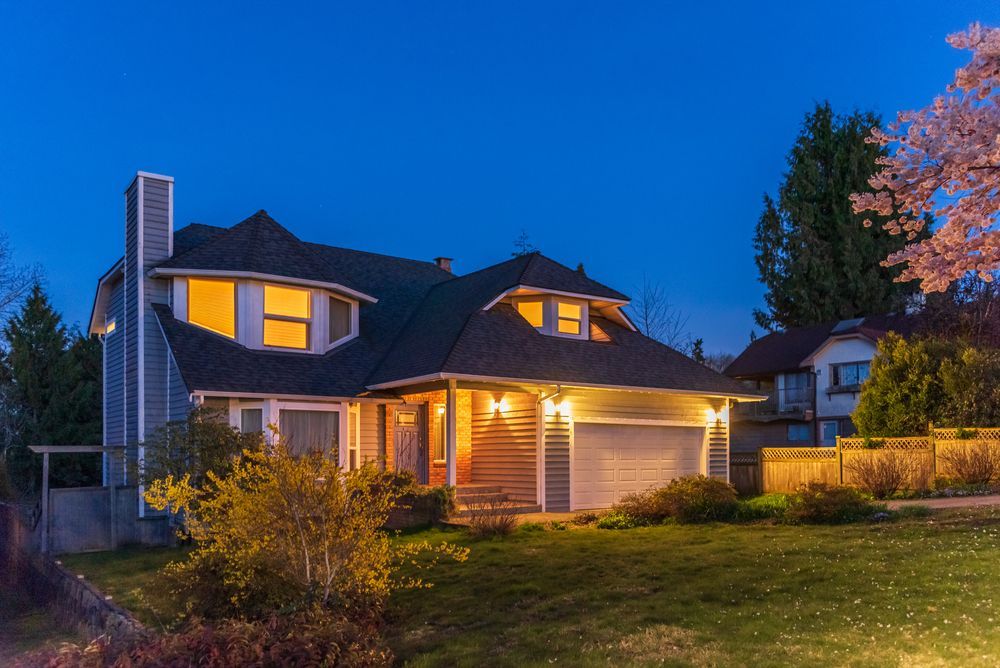
Most yards in the Katy and Cypress area look great during the day and completely disappear after dark. If you have put real money into your landscape, that is a frustrating return on investment. Professional landscape lighting in Houston, TX ensures the yard you worked hard to build doesn't sit invisible behind a dark pane of glass every evening.
Keep reading to learn which lighting methods align with common Houston-area goals, which fixture materials actually hold up in Gulf Coast weather, and what realistic installation costs look like for a home in this market.
PearceScapes wants you to walk away knowing what to ask before you hire anyone. Good lighting is a specific craft, and the right contractor makes a measurable difference in how long the system lasts and how well it works.
What Good Lighting Should Do for Your Yard
A well-designed landscape lighting system does four things at once: it improves how your home looks at night, makes movement around your property safer, extends the usability of your outdoor spaces, and adds a layer of security.
Most homeowners in Katy and Cypress find that a custom plan addresses all four goals in one installation rather than treating each as a separate project.
Boost Curb Appeal After Dark
Your home's landscaping is invisible after sunset without intentional lighting. Accent lighting placed at the base of trees, along bed edges, or aimed at your roofline creates a finished look that reads as polished and well-cared-for.
In neighborhoods like Bridgeland and Towne Lake, curb appeal is built into the community standard. A dark front yard can undercut the impression your home makes, even when the daylight landscaping is excellent. Outdoor lighting is one of the fastest ways to close that gap.
Make Walkways and Entries Safer
Path lights along a driveway or front walk do more than look attractive. They mark edges, define grade changes, and give guests a clear line to follow from the street to your front door.
This matters especially in Houston-area yards where seasonal rain can leave low spots and uneven ground. A guest who can not see where the path ends and the bed begins is a liability. Good nighttime visibility turns a potential hazard into a non-issue.
Create Outdoor Living Ambiance
Ambiance outdoor lighting is what makes a back patio feel like a room rather than just a slab. When you can see the space clearly but the light is warm and not harsh, you actually use the area after dinner instead of retreating inside.
For families with covered patios, pool decks, or outdoor kitchens, lighting is what turns those features into evening spaces. The goal is functional light that does not feel like a parking lot, which requires attention to fixture placement and light temperature.
Add Security Without Overlighting
Security lighting deters unwanted activity, but overlighting your yard can backfire. Bright, glaring fixtures create harsh shadows that actually reduce visibility in adjacent dark zones.
A smarter approach uses strategically placed spotlights and motion-activated fixtures to cover entry points and low-traffic corners without washing out the entire yard. The result is a property that feels secure without looking like a commercial building. Balancing security with ambiance is one of the skills that separates a professional lighting plan from a DIY install.
Lighting Methods That Match Common Houston-Area Goals
Every lighting technique produces a different visual result, and each one solves a specific problem. Knowing the difference before your consultation helps you describe what you actually want rather than guessing at terminology.
Path Lights for Drives, Beds, and Side Yards
Path lights are low-mounted fixtures that direct light downward along a defined route. They work along driveways, front walks, garden bed borders, and side-yard passages where foot traffic is regular.
In Houston yards with dense St. Augustine grass and wide planting beds, path lights also help define the edge between turf and beds. That visual boundary makes a yard look more organized even during the day. Professionally designed outdoor lighting installation Houston accounts for path light spacing so coverage is even rather than spotty.
Uplighting for Trees and Architecture
Uplighting places fixtures at ground level aimed upward at a tree, shrub, or architectural detail. It creates drama and draws the eye to your best landscape features.
Large live oaks and crape myrtles common in Gulf Coast yards respond especially well to uplighting. The canopy catches and diffuses the beam, creating soft coverage rather than a harsh column of light. Architectural uplighting along a home's facade adds depth and makes the structure look more substantial after dark.
Downlighting and Moonlighting for Soft Coverage
Downlighting mounts fixtures in trees or on structures to cast light downward, mimicking natural overhead illumination. Moonlighting is a specific type of downlighting in which fixtures placed high in a tree cast dappled light patterns on the ground below.
This technique produces the softest, most natural-looking result of any outdoor lighting method. It works especially well over seating areas, outdoor dining spaces, and garden paths where you want good visibility without a lit-up, artificial feel. For Katy-area homeowners with mature tree canopies, moonlighting is often the most effective single upgrade available.
Spotlights for Focal Points and Security
Spotlights concentrate a narrow beam on a specific target: a sculpture, a specimen plant, a gate, or a corner of the property that needs coverage. They are the most direct tool in a professional landscape lighting design.
A spotlight aimed at an entry corner eliminates the dark zone that can make a property feel exposed. Used as accents, spotlights highlight the features that make your yard distinctive. The key is using them selectively so they emphasize rather than compete.
Materials and System Choices That Hold Up in Gulf Coast Weather
Houston's climate is genuinely hard on outdoor fixtures. High humidity, temperature swings from summer heat to winter cold snaps, and seasonal flooding all affect how long a lighting system lasts. Material selection is not optional when you are planning landscape lighting services in this market.
Why Fixture Material Matters in Humidity
Cheap aluminum fixtures corrode quickly in Houston's humid subtropical climate. Once the finish breaks down, moisture enters the fixture, and the electrical connection degrades. You end up replacing fixtures far sooner than expected.
This is one of the clearest differences between a professional landscape lighting installation and a box-store DIY kit. Professional-grade systems use materials selected for long-term performance in local conditions, not just price point.
When Brass Fixtures Make Sense
Brass fixtures are the most durable option for Gulf Coast conditions. Brass develops a natural patina over time rather than corroding as lower-grade metals do, and it withstands standing moisture and salt-laden, humid air far better than painted aluminum.
The upfront cost of brass is higher, but the lifespan difference is significant. In a climate like Houston's, brass fixtures often outlast aluminum alternatives by many years. For homeowners investing in a full landscape lighting design, brass is typically the smarter long-term choice.
Wiring, Transformers, and Heat Cycling Considerations
Heat cycling, meaning the daily expansion and contraction of materials through Houston's temperature swings, affects wiring connections over time. Connections that are not properly sealed and secured can loosen, causing flickering or failure.
Transformers should be rated for the total fixture load with headroom to spare. Undersized transformers run hot and fail faster, especially through a Houston summer. Professional installation includes proper sizing and weatherproof placement, so the system performs reliably through the season.
How Professional Installation Improves Durability
A professional install accounts for Houston's specific conditions at every step, from wire depth and burial method to fixture placement relative to drainage patterns. In yards where drainage solutions in Cypress, TX, are already part of the landscape plan, lighting wire routes need to work around existing infrastructure to avoid future conflicts.
Proper burial depth protects wiring from lawn equipment, root movement, and soil heave. Sealed connections at every junction point keep moisture out of the system. These details add up to a system that holds up through years of Gulf Coast weather rather than one that starts failing after the first rainy season.
What Affects Cost and Long-Term Value
Landscape lighting installation in the Houston area typically runs between $1,400 and $6,000 for most residential projects, with larger or more complex systems reaching higher. Understanding what drives cost helps you make better decisions during the planning phase.
Property Size and Layout
Larger properties require more fixtures, more wire runs, and more transformer capacity. A small front yard with a single tree and a walkway is a straightforward install. A large corner lot with a back patio, multiple trees, and a full perimeter coverage plan is a different scope entirely.
Layout complexity also matters. Yards with irregular shapes, multiple planting beds, or obstacles like fencing and hardscape require more planning time and more precise fixture placement to achieve even coverage.
Fixture Count and Design Complexity
The number of fixtures in the plan directly drives material cost. A simple path-and-uplighting system for a front yard might use eight to twelve fixtures. A full property plan covering front yard, back patio, trees, entry, and security corners might use thirty or more.
Design complexity adds to cost through the planning process itself. A custom professional lighting design that accounts for your specific trees, your home's architecture, and your family's outdoor use patterns takes more time than a generic layout. That time is reflected in the final quote, but it is also what separates a result that looks intentional from one that looks like guesswork.
Labor, Access, and Existing Landscape Features
Labor costs in the Greater Houston market are competitive, but access challenges affect installation time. Dense root systems from mature trees, existing irrigation infrastructure, and established ground cover all require careful wire routing that takes longer than a clean new-construction install.
Existing landscape lighting that needs to be removed or upgraded adds another variable. The installer needs to assess what can be kept, what needs to go, and how the new system integrates with or replaces the old one.
Maintenance Plans and Future Adjustments
Good landscape lighting services include the ability to adjust the system as your yard changes. Trees grow, plants fill in, and what was a clear sightline from a fixture may become blocked over time.
Annual maintenance checks cover bulb condition, connection integrity, transformer performance, and fixture alignment. Some companies offer structured maintenance plans that keep the system dialed in without requiring a separate service call every time something shifts. Ask about this during your consultation.
How to Compare Installers Before You Hire
The Houston area has many outdoor lighting companies to choose from. Comparing them effectively before you sign anything will save you from expensive mistakes later.
Questions to Ask During a Consultation
A good consultation covers more than price. Ask these before committing:
- What fixture materials do you use and why?
- How do you size the transformer for the system?
- How deep do you bury the wire, and how do you seal the connections?
- Can you show me photos of completed projects in similar Houston-area yards?
- Do you offer a maintenance plan or adjustment service after installation?
- How long have you been installing landscape lighting in the Gulf Coast area?
A contractor who answers these questions clearly and specifically is showing you they understand the craft. One who deflects or gives vague answers is a risk.
Signs of a Reliable Design and Install Process
Reliable landscape lighting companies start with a site visit, not a phone quote. They consider your actual trees, existing landscape, home's architecture, and outdoor use patterns before recommending a fixture count or layout.
They should also be able to explain their fixture choices in plain language. If someone recommends a fixture and cannot tell you what it is made of or why it holds up in humidity, that is a gap in their knowledge you will feel later.
How to Review Photos, Materials, and Scope
Ask to see before-and-after photos of completed jobs in the Katy, Cypress, or Greater Houston area. Regional project photos tell you more than stock images pulled from a manufacturer's catalog.
Review the scope document carefully before signing. It should list fixture types, wire gauge, transformer specs, burial depth, and any warranty terms. A vague scope document is a sign that accountability will be vague too.
When Holiday Lighting Fits Into the Same Plan
Some landscape lighting companies also offer holiday lighting installation, and a well-designed permanent system can support seasonal additions without extra infrastructure. If you plan to do holiday lighting annually, mention it during your consultation.
A contractor who handles both can design the transformer and outlet placement to accommodate seasonal additions. This saves you from coordinating separate contractors or running extension cords across a finished yard each December.
Planning the Next Step for Your Property
At some point, the research phase ends, and the decision phase begins. For most homeowners, the clearest signal is when the yard starts feeling like it is missing something after dark, or when a safety concern becomes hard to ignore.
When a Custom Plan Makes More Sense Than Builder-Grade Lights
Builder-grade landscape lighting, if your home came with any, is typically low-cost and generic. It may cover only the front walk. The fixtures are often plastic or low-grade aluminum, and the transformer is sized with no room for expansion.
A custom plan built around your specific yard costs more upfront but delivers a result that is proportional to your existing landscape. If you have invested in mature trees, custom planting beds, or a patio addition, generic lighting undersells all of it.
What to Bring to a Quote Appointment
Come to your first consultation prepared. The more information you share, the more accurate the quote and the better the resulting design.
Useful things to bring or discuss:
- A rough sketch or photos of your yard from the street and from inside the house
- Notes on which areas feel unsafe or underused after dark
- Any existing lighting you want to keep or replace
- Your primary goals: curb appeal, safety, entertaining, or security
- A general budget range so the designer can propose a realistic scope
You do not need to know what fixtures you want. The designer's job is to translate your goals into a specific plan.
Frequently Asked Questions
What fixture materials hold up best in Houston's humidity?
Brass is the most durable choice for Gulf Coast conditions. It develops a natural patina instead of corroding and outlasts painted aluminum by many years in Houston's high-humidity climate.
How much does landscape lighting installation cost in Houston?
Most residential projects in the Houston area run between $1,400 and $6,000. Your final cost depends on property size, fixture count, design complexity, and any existing infrastructure needs.
Can landscape lighting work around my existing irrigation system?
Yes. A professional installer routes wiring around irrigation lines and other buried infrastructure. Coordination is even easier if both systems are planned together to avoid future conflicts.
What is moonlighting and is it a good fit for Houston yards?
Moonlighting places fixtures high in a tree to cast dappled light downward, mimicking natural moonlight. This technique works especially well in yards in Katy and Cypress with mature live oaks.
Should I get a maintenance plan with my landscape lighting installation?
A maintenance plan is a smart investment. As your landscape grows, fixtures may need realignment, and connections require periodic inspection to handle the Gulf Coast heat and humidity.
A Local Option for Cypress and Katy Homeowners
PearceScapes has served Cypress and the surrounding Greater Houston area for over ten years, handling outdoor lighting as part of a full-service landscape approach that also covers irrigation, drainage, and planting.
With an A+ BBB rating and a track record of completed residential projects across the area, the team understands what holds up in Gulf Coast conditions and what does not.
Get in touch to schedule your free consultation and get a custom outdoor lighting plan built for your specific yard.