
Landscaping Ideas In Houston, TX: Stand Out Without Breaking HOA Rules
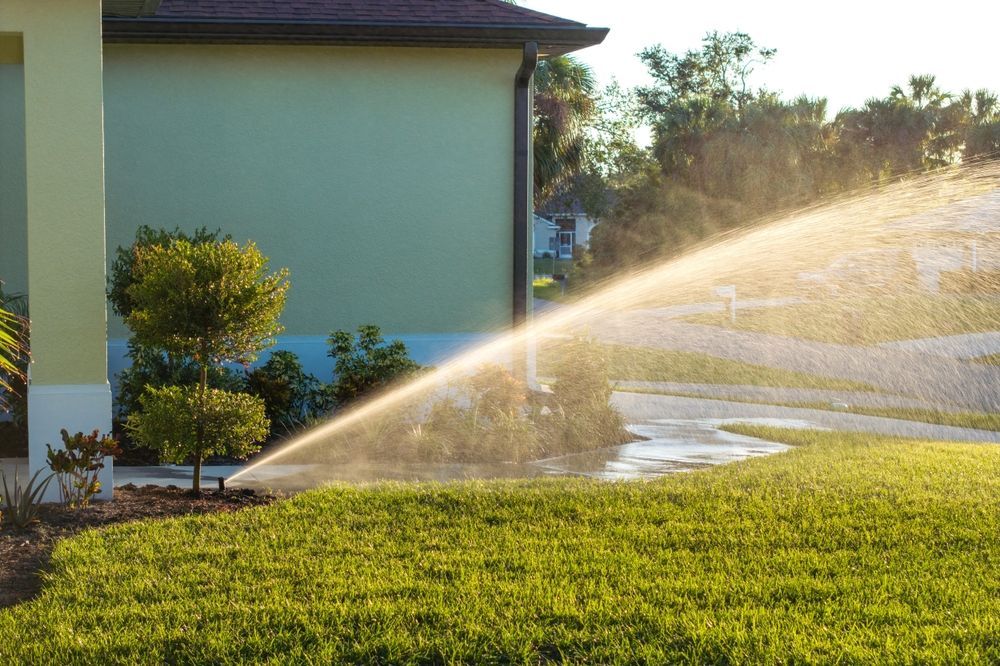
Most landscaping ideas you find online were not written for Gulf Coast conditions, and it shows when the plants die in August or the new patio floods the first time a tropical system rolls through. The good news is that there are real, tested approaches that hold up here.
PearceScapes has spent over 10 years designing and building landscapes across the Houston area, earning an A+ BBB rating by working with these exact conditions rather than ignoring them.
Keep reading to find out what your yard needs before you choose a style, which front and backyard ideas actually hold up in the heat, how to plant around your patio without creating a drainage nightmare, and which plants survive Houston's climate without constant intervention.
What Houston Yards Need Before You Pick a Style
Your yard's performance is set before the first plant goes in, and skipping this foundation step is the most common reason Houston landscapes fail within two or three seasons.
Clay Soil, Drainage, and Heavy Rain
Houston's clay is a Vertisol, meaning it shrinks when dry and swells when wet, cracking in summer and sealing like concrete when it rains. Water sits on the surface instead of draining through, which stresses roots and invites disease. Before you install anything, you need to understand where your yard sheds water and where it holds it.
In communities like Bridgeland and Towne Lake, the grading near homes is often tight, with neighboring lots only inches apart in elevation. A landscaping change on one side of the yard can redirect runoff in ways that surprise you later. Walk your yard during and after a heavy rain before you commit to any plan.
Adding organic matter, such as compost worked into the top six to eight inches, helps break up clay texture over time. For chronic standing water, a French drain or channel drain system is a more permanent fix, but that is a separate decision from landscape style and should come first.
Heat, Humidity, and Sun Exposure
Houston's summers run above 90°F for months, and the humidity keeps nighttime temperatures warm enough to stress plants that never fully cool down. South- and west-facing beds take the heaviest heat load, often reaching surface temperatures well above air temperature.
Sun exposure matters when choosing plants, mulch depth, and irrigation timing. A bed that looks great in April can look scorched by mid-July if the plant selection does not account for reflected heat from concrete or brick.
Shade placement is not just an aesthetic choice in Houston; it is a cooling strategy. A well-placed tree on the southwest corner of your yard can reduce the heat load on an adjacent bed by ten to fifteen degrees, which directly affects plant survival rates.
HOA Expectations in Cypress, Katy, and Bridgeland
Most master-planned communities in the Houston area have design review guidelines that specify plant height limits, approved hardscape materials, and front yard coverage ratios. Bridgeland, Towne Lake, and many Katy subdivisions require ACC approval before you install beds, pavers, or structures visible from the street.
Pull your HOA documents before you finalize any design. The approval process can take two to four weeks in some communities, and non-compliant installations may require removal at your expense. A local design-build team familiar with these guidelines can save you that headache.
Understanding your site conditions is the groundwork; now you can start thinking about what to actually do with your front yard.
Front Yard Upgrades That Improve Curb Appeal
A well-designed front yard in Houston does not just look good from the street; it handles the soil and sun conditions that would kill a generic planting plan.
Layered Foundation Beds That Handle Summer Stress
Foundation beds that run along the front of your house are your first opportunity to set a visual tone, but they fail quickly in Houston when planted with species that cannot handle reflected heat from brick or concrete. A layered planting approach, with taller shrubs in the back, mid-height perennials in the middle, and low ground cover at the edge, creates visual depth and distributes the heat load across different plant types.
Use at least 3 inches of hardwood mulch in every bed. On clay soil, mulch slows surface evaporation and regulates soil temperature, which keeps roots from cooking in July. Avoid piling mulch against plant stems, as it traps moisture and can cause rot in humid conditions.
Defined Walkways and Edging for a Cleaner Look
Clean bed edges and a defined walkway make a front yard look intentional even when the plantings are simple. Concrete edging or steel landscape edging holds the line between turf and beds better than plastic, which warps in Houston's heat and heaves with clay soil movement.
For walkways, concrete pavers or flagstone set in compacted base material outperform poured concrete slabs over time because they flex slightly with soil movement. Poured concrete tends to crack within a few years on Houston's expansive clay, and the repairs can be costly.
Shade Trees and Accent Planting for Street Presence
A single well-placed shade tree in the front yard does more for long-term curb appeal than any amount of annual flowers. It also cools your home's facade, reducing heat stress on nearby plantings and potentially lowering cooling costs in rooms facing west or south.
Accent plants, such as ornamental grasses or a small structural shrub, work well flanking the front entry or at the corners of the bed line. They signal intentional design without requiring constant trimming. As you move from the front yard to the back, the design priorities shift toward how the space actually functions for your family.
Backyard Layouts That Stay Useful in the Heat
The best Houston backyards are designed so you can actually use them on a September evening, not just look at them from inside through a window with the AC running.
Covered Seating Areas for Afternoon Shade
A covered patio or pergola is the single most impactful addition you can make to a Houston backyard. Afternoon shade from a well-designed structure can lower the perceived temperature on a patio surface by fifteen to twenty degrees, turning an unusable space into one the family actually sits in.
Orientation matters. A structure on the south or west side of your home blocks the worst afternoon sun. If you are in a Bridgeland or Towne Lake community, verify ACC approval requirements for pergola height and setback before you start.
Low-Maintenance Lawn Alternatives for Soggy Spots
Some backyards in Houston have a low corner or a wet zone that never fully dries out between rains. Trying to maintain healthy turf in that zone is a losing fight. Instead, consider these alternatives:
- Decomposed granite or crushed gravel with a permeable base for high-traffic transitional zones
- Rain garden plantings with water-tolerant natives like inland sea oats or swamp hibiscus
- Extended mulched beds that acknowledge the wet zone and plant into it rather than against it
- Flagstone stepping paths that give access without compressing soggy soil
These approaches cost less in the long run than reseeding or resodding a problem area every year.
Family-Friendly Zones for Entertaining and Play
Dividing your backyard into functional zones helps the space feel larger and more usable. A simple separation between a hardscaped entertaining area, a grassy or mulched play zone, and a planted perimeter bed creates a clear layout without requiring a complex design.
Keep play areas away from the lowest drainage point in the yard. Clay soil in a play zone turns into a muddy mess within minutes after rain, and kids track that clay everywhere. A slight grade or a layer of hardwood chips under play equipment makes a significant practical difference.
Now that the layout is set, the area immediately around your patio deserves its own planting strategy.
Patio Surrounds That Hold Up in Houston Weather
The beds and transitions around your patio are where most Houston homeowners lose plants, deal with flooding, or end up with an unfinished look within a season.
Beds That Soften Hardscape Without Trapping Moisture
Planting beds right against a patio edge look great but create a moisture trap if the grade is not set correctly. Water should always drain away from the patio surface, not pool in the adjacent bed and seep back under the pavers or slab.
Choose compact, sturdy shrubs for patio-edge beds. Plants that stay under three feet without heavy pruning work best because they do not block sightlines or trap heat near the seating area. Gulf Coast native options like dwarf yaupon holly or compact wax myrtle handle the reflected heat from hardscape without wilting.
Container Planting for Flexible Seasonal Color
Containers give you color and texture without committing to a permanent in-ground planting. On a Houston patio, use large containers so the soil volume does not overheat as quickly. Smaller pots dry out completely on a 95-degree afternoon, which stresses roots and demands daily watering.
Swap annuals seasonally. Caladiums work well in summer shade, pentas thrive in full sun through August, and ornamental peppers hold up in the heat longer than most flowering annuals. Come October, you can shift to snapdragons and pansies for color through the mild Houston winter.
Drainage-Friendly Transitions Between Patio and Lawn
The edge where your patio meets the lawn is a common problem spot. Clay soil settles differently than a compacted base under pavers, so that edge often dips over time and collects water. A beveled paver border or a strip of river rock with a slight outward grade helps channel water away from the patio surface.
In yards with significant grading challenges, a channel drain set into the patio edge is a cleaner long-term fix than trying to manage runoff through plantings alone. Getting the plant selection right makes everything else work better, and that starts with knowing which plants actually belong in a Gulf Coast yard.
Plant Choices That Work in Gulf Coast Conditions
Choosing the right plant for Houston's climate is less about preference and more about matching biology to conditions.
Shrubs and Perennials for Heat and Humidity
The most reliable shrubs and perennials for Houston are the ones that evolved in hot, humid climates with periodic flooding and drought. Texas sage blooms reliably in heat and drought but needs good drainage. Lantana is nearly indestructible in full sun and blooms from spring through frost. Indian hawthorn handles humidity and clay better than most imported broadleaf shrubs.
Perennials that work well include salvia greggii, Turk's cap, and black-eyed Susan. These come back year after year without being replaced, which keeps maintenance costs down and lets the bed fill in naturally over time.
Ornamental Grasses for Texture and Water Movement
Ornamental grasses add movement and texture that rigid shrubs cannot. Gulf Coast muhly grass produces pink-purple plumes in the fall that are striking in mass plantings along driveways or fence lines. It tolerates clay soil and thrives in full sun with no supplemental irrigation once established.
Lindheimer's muhly and giant miscanthus are also dependable in Houston yards. Use them at the backs of beds or along property lines, where their height serves as a visual screen without the trimming a formal hedge demands.
Trees That Tolerate Clay Soil and Intense Sun
Houston's urban tree canopy faces real pressure from compacted clay and summer heat. The trees that hold up best share one trait: they evolved in similar conditions.
- Live oak is the most reliable shade tree in the Houston area, with deep roots and an evergreen canopy.
- Cedar elm tolerates clay and seasonal flooding better than most large-canopy trees
- Bald cypress thrives in wet clay zones and makes a strong vertical accent near drainage swales.
- Vitex is a smaller, multi-trunk option that blooms in summer and tolerates reflected heat.
Avoid planting Bradford pears or silver maples; both have brittle structures that fail during Gulf Coast storms and lead to significant cleanup costs.
A Practical Plan for Pulling the Whole Yard Together
Having a plan sounds obvious, but most Houston yards get built in disconnected pieces, which is why they often feel unfinished or require expensive corrections later.
Start With the Biggest Problem Area
Your first dollar should go toward the part of your yard that is actively failing. If that is a flooding back corner, a bare clay slope, or a front bed full of dead or struggling plants, address that before adding anything decorative. Cosmetic improvements on top of a drainage or soil problem will not hold.
Walk the yard with a critical eye after the next heavy rain. Where does water stand longest? Where does the turf thin out every summer? Those answers tell you where to put your energy first.
Match Materials and Plants to Maintenance Time
Be honest about how much time you have. A formal garden with trimmed hedges and an annual color rotation looks sharp but demands consistent attention, which Houston's heat compresses into short seasonal windows. A design built around evergreen native shrubs, mulched beds, and a durable hardscape surface requires a fraction of that effort.
Consider these trade-offs before finalizing your design:
- High-maintenance: manicured boxwood hedges, annual color beds, ornamental topiaries
- Medium-maintenance: mixed perennial beds, warm-season turf, seasonal container planting
- Low-maintenance: native shrub masses, ornamental grasses, decomposed granite with ground cover
Most Houston homeowners fall into the middle range and reduce from there as real life gets busy.
When to Bring in a Local Design-Build Team
Some projects are straightforward enough to plan and plant yourself. But if your yard has significant drainage issues, a large blank slate with no clear starting point, or HOA requirements that complicate material choices, a local design-build team adds value from the beginning rather than just at installation.
A good team will walk your site, understand the soil and grading conditions, and bring plant knowledge specific to Gulf Coast growing zones. They will also flag issues, like a drainage conflict near a neighbor's property line, that are easy to miss until they become expensive problems.
Frequently Asked Questions
What Low-Maintenance Plant Choices Hold up in Houston Humidity and Still Look Tidy Through Summer Heat?
Dwarf yaupon holly, Texas sage, and lantana are three of the most reliable options for Houston yards. They tolerate clay soil, survive the humidity without fungal problems, and need very little trimming to hold their shape. Gulf Coast muhly grass adds texture with almost no maintenance after it establishes.
How do you Set up Your Yard in Cypress or Bridgeland so It Drains Clean After a Gulf Coast Downpour?
Start by grading beds and lawn areas so water moves away from the foundation and toward the street or a designated swale. In Bridgeland and other master-planned communities, a French drain or channel drain can be routed to an approved drainage point without altering the overall grading plan. Permeable hardscape surfaces, like decomposed granite or open-joint pavers, also reduce the volume of runoff that pools on clay soil.
What Front Yard Layout Gives you Curb Appeal Without Constant Trimming in Clay Soil?
A layered foundation bed with compact native shrubs, a defined walkway in pavers or flagstone, and one well-placed shade tree gives you a strong curb appeal baseline that requires minimal upkeep. Choose plants that stay within their mature size without heavy pruning, and edge the beds with steel or concrete to reduce weekly maintenance time.
How Can you Turn a Small Backyard Into a Patio and Planting Plan Your Family Will Actually Use on a September Evening?
A covered patio structure is the starting point because it makes the space usable in Houston's heat. Frame the patio with a simple perimeter of low-maintenance shrubs and containers, and keep a small lawn area or mulched zone for kids. Keep the drainage transition between patio and lawn clean so afternoon storms do not turn the space into a mud zone.
Which Native or Tough Evergreen Shrubs Work Well Around Towne Lake and The Woodlands Without Fighting the Soil?
Wax myrtle, compact yaupon holly, and Virginia willow are all strong performers in the clay-heavy soils around Towne Lake and The Woodlands. They are evergreen, handle periodic wet conditions, and require minimal fertilization once established.
All three are also widely available at Gulf Coast nurseries, which makes replacement easy if you need to phase in plantings over time. For more on native plants suited to Gulf Coast conditions, the local plant community has documented many solid options.
What's a Realistic Budget Range for a Simple Landscape Refresh Versus a Full Redesign With Beds, Lighting, and Drainage Fixes?
A basic refresh, including new mulch, edging, and a modest plant replacement in existing beds, typically runs between $1,500 and $4,000 for an average Houston suburban lot. A full redesign with new beds, drainage work, outdoor lighting, and hardscape elements can range from $15,000 to $40,000 or more depending on scope and lot size. Getting a site-specific estimate from a local team is the most accurate way to budget before you commit to a direction.
Ready to Stop Guessing and Start Building
Your Houston yard has specific conditions: clay that holds water, heat that stresses roots, and humidity that punishes the wrong plant choices. The ideas that work here are not complicated, but they do need to match the environment rather than fight it.
If you are staring at a blank lot in Cypress, dealing with a drainage problem in Bridgeland, or just ready to turn your front yard into something you are proud of, you do not have to figure it all out alone. Pearce Scapes offers free consultations for Houston-area homeowners who want a site-specific plan rather than a generic template.
Reach out to PearceScapes to walk your yard together and start with a design that is built for Gulf Coast conditions from the ground up.