
Landscape Lighting The Woodlands, TX for Safer, Better-Looking Yards
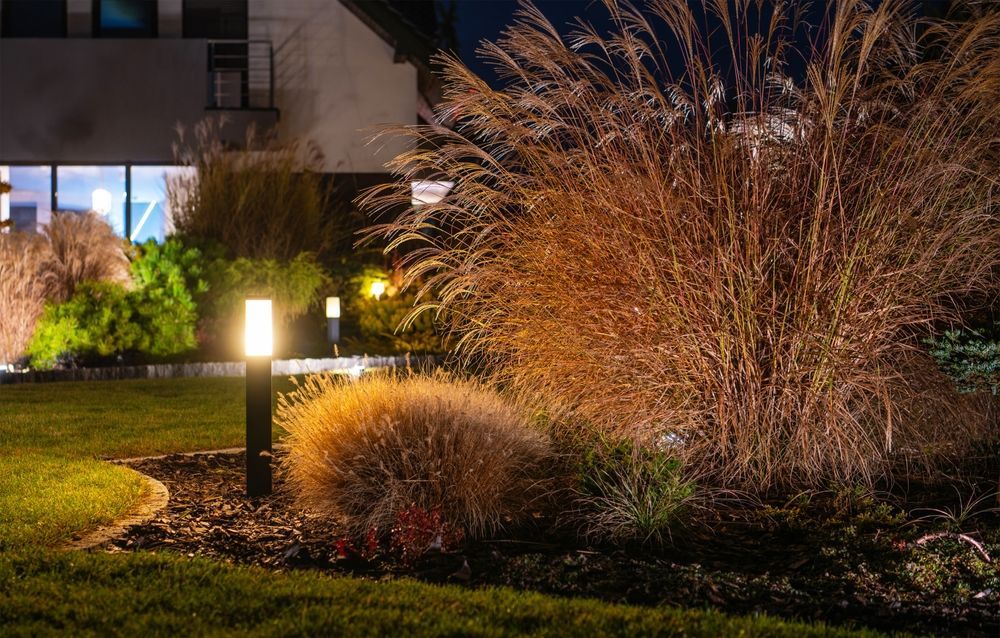
A professionally designed outdoor lighting system changes how you use your property every single night, not just on special occasions. In The Woodlands and surrounding communities, dense tree canopies, winding driveways, and generous lot sizes make lighting both more necessary and more rewarding than on a typical suburban lot.
PearceScapes has spent over 10 years helping Greater Houston homeowners plan and install landscape lighting systems that hold up in the Gulf Coast climate. With an A+ BBB rating and a reputation built across Cypress, Katy, and The Woodlands, the work is grounded in real knowledge of how heat, humidity, and clay soil affect every fixture and every cable run.
Keep reading to find out which areas of your yard deserve light first, how to choose fixtures built for Houston summers, and how to phase an installation so you get the biggest impact without overspending on day one.
What Good Lighting Changes at Night
A well-lit yard does three things at once: it makes your property safer, more attractive from the street, and more functional after sundown. Each of those outcomes happens in a different zone of your yard, and each one is worth thinking through on its own terms.
Safer Walkways and Driveway Edges
Path lights and downlights along walkways cut the risk of a misstep on an uneven paver or a wet step after a Gulf Coast rain. In The Woodlands, where stone pathways and curved driveways are common, a single missed step on slick clay-stained pavers can cause a real injury.
Low-profile bollard lights spaced every six to eight feet along a path provide consistent ground-level illumination without glare in guests' eyes. For driveway edges, shielded downlights mounted in adjacent beds create a clean border without lighting the sky. This matters especially after Houston's summer downpours, when edges can be muddy, and shadows hide standing water.
Stronger Curb Appeal From the Street
The view from the street after dark is often the strongest first impression your home makes on visitors, neighbors, and potential buyers. Architectural uplighting on your home's facade, combined with accent lights in your front beds, creates depth and dimension that flat porch lighting simply cannot match.
In neighborhoods like Carlton Woods and Alden Bridge, where home exteriors often include stone columns, brick detailing, or board-and-batten, a well-aimed uplight can highlight those features the way a spotlight highlights a painting. The effect is subtle yet noticeable, adding perceived value without changing a single plant or surface.
More Usable Patios and Backyard Seating
String lights and overhead fixtures feel festive but rarely provide the right kind of light for a back patio after dark. Dedicated downlights recessed into a pergola or soffit, combined with low accent lights in surrounding beds, create a layered effect that feels more like an outdoor room and less like a construction site.
During Houston's long shoulder seasons, September through November and February through April, the backyard is genuinely usable almost every evening. That is a lot of nights to leave dark. The right lighting plan turns that space into a consistent part of your home's living area.
Front Yard Areas That Deserve Priority
Your front yard lighting plan should address three distinct layers: the ground plane, the plant material at mid-height, and the structure itself. Getting all three right creates a cohesive look rather than a series of random bright spots.
Entry Paths and Front Steps
Bullet points help here because the priorities are genuinely sequential:
- Step one: Light the front steps first; falls happen at grade changes.
- Step two: Add path lights from the driveway to the door.
- Step three: Illuminate any change in surface material, such as where pavers meet concrete.
- Step four: Add low accent lights to visually anchor the path's borders.
In yards with heavy clay soil, path light stakes can heave slightly after wet-dry cycles, especially through Houston's late-summer drought followed by fall rains. Choosing fixtures with adjustable stakes or ground-mount bases gives you the ability to correct position without replacing the fixture.
Tree Canopies and Trunk Uplighting
The mature trees in The Woodlands are one of the community's defining features, and lighting them well is one of the highest-impact moves you can make on a front yard. A well-placed uplight at the base of a live oak or loblolly pine throws the canopy into relief, creating a natural focal point visible from the street.
Use narrow-beam fixtures, around 12-15 degrees, for tall single-trunk trees. Wider beams work better for multi-stem ornamentals or crape myrtles with a spreading form. Avoid pointing fixtures directly at the crown in summer; the heat load on foliage from improperly aimed lights can stress plants that are already working hard in 95-degree humidity.
Ground-mounted fixtures in tree beds need waterproof housings rated for direct burial. The Woodlands and surrounding areas regularly receive 3 to 5 inches of rain in a single storm, and fixtures not rated for sustained wet conditions will fail within one season.
Foundation Beds and House Details
Lighting the foundation beds visually ties the structure to the ground plane and prevents the house from looking as if it is floating above a dark lawn. A mix of bullet-style uplights aimed at taller shrubs and spread lights washing across lower groundcovers creates a natural gradient from ground to wall.
Stone or brick facade details, window sills, shutters, and columns all respond well to grazing light, where the fixture is placed close to the surface and aimed almost parallel to it. This technique amplifies texture and makes painted or stained surfaces read with more character. It is one of the details that separates a designed lighting plan from a basic fixture-and-stake installation.
Backyard Features That Benefit Most
Once the front yard is handled, the backyard is where the lifestyle payoff is greatest. Three specific feature types consistently deliver the strongest return in Greater Houston properties.
Patios, Dining Spaces, and Gathering Zones
Recessed downlights in a pergola ceiling, or surface-mounted directional heads on a covered patio beam, give you task-level light over a dining table without the heat or glare of a bare bulb fixture. LED sources in the 2700K to 3000K color temperature range create warm, amber-toned light that looks natural in an outdoor setting and does not attract insects the way cool-white sources do.
In Bridgeland and Towne Lake, outdoor kitchens and large covered patios are common, and those spaces need zoned lighting: brighter over the grill and prep area, warmer and dimmer over the seating section. A low-voltage transformer with multi-zone capability lets you set those levels independently on a timer or smart controller.
Pool Surrounds and Water Features
Pools in The Woodlands and surrounding communities almost always include some form of water feature, whether that is a raised spillover spa, a sheer descent, or a rock waterfall. Underwater LED fixtures inside the pool change color and output without changing the fixture, and above-water accent lights aimed at the waterfall face make moving water visible and dramatic from across the yard.
For the pool deck itself, in-grade fixtures flush with the paver surface eliminate trip hazards and handle Houston's rain and pool splash without issue. The surrounding beds benefit from low-wattage spread lights rather than uplights, because you want the deck and water to be the focal points, not competing light sources in the beds.
Fence Lines, Gates, and Property Transitions
A dark fence line makes a yard feel smaller and less secure. Low-mounted accent lights along a wood or iron fence line define the boundary of the space and add depth to the patio view. Gate posts are natural candidates for a downlight mounted at the cap, which marks the entry without a harsh wall pack fixture.
In communities with rear greenbelt access or trail-adjacent lots, lighting the back perimeter also serves a practical security function. Motion-sensitive fixtures can be layered into the design here without disrupting the ambient look during normal evening use.
Design Choices That Fit Gulf Coast Conditions
Houston's climate is not forgiving of outdoor fixtures built for mild, dry conditions. Choosing correctly from the start saves significant money over the first five years.
Fixtures That Handle Heat and Humidity
Brass and copper housings outlast aluminum in coastal-humid conditions because they do not corrode the same way when exposed to months of standing humidity and occasional salt drift from Gulf weather systems. Stainless steel hardware on mounting screws and stake collars prevents the rust streaks that appear on cheaper fixtures after one wet season.
Look for fixtures with an IP65 or IP67 rating at minimum. IP65 handles jet spray and heavy rain. IP67 handles temporary submersion, which is relevant in any yard that experiences sheet drainage across the surface during a heavy Houston storm. Fixtures with sealed optics also stay cleaner longer, because condensation cannot enter the lens housing and cloud the output.
Beam Spread for Dense Shade and Mature Trees
The Woodlands' mature tree canopy means many front and backyards are genuinely shaded spaces, even at night. A narrow-beam fixture loses most of its output in dense shade before it reaches the intended target. Wider beam spreads, 30 to 60 degrees, distribute light more evenly under a canopy and reduce the need for additional fixture positions.
For uplighting trees with dense lower canopies, position the fixture outside the drip line rather than directly at the base. This angled approach throws light up through the interior of the canopy rather than bouncing it off the bottom of the lowest branches.
Low-Voltage Planning for Long-Term Reliability
A low-voltage system running at 12V is safer to maintain, easier to expand, and draws far less power than line-voltage alternatives. For a typical Woodlands property with 15 to 25 fixtures, a 300-watt transformer is often sufficient. Adding zones for future expansion is simple if the original installation includes extra capacity in the transformer and homerun cable runs back to the box.
Cable routing in clay soil requires burial at least 6 inches deep, with deeper burial near drip lines where root activity and soil movement are common. Connectors should be waterproof gel-filled rather than standard twist caps, because clay soil stays moist for days after rain and standard connectors corrode quickly in that environment.
How to Balance Ambiance, Security, and Cost
A lighting plan that does everything at once is rarely the best approach. Strategic choices about light levels, placement, and installation timing let you get the most value from every dollar.
Layering Light Without a Glare Problem
Glare happens when a light source is too bright relative to its surroundings, or when a fixture is aimed toward the viewer's eyes rather than away from them. Shielded fixtures, louvers, and properly angled heads all reduce glare without reducing useful output. The goal is to see the illuminated object, not the light source itself.
A layered plan uses three levels: ambient light for general safety and orientation, accent light for features and plants, and task light for specific work areas, such as grills or steps. Running all three at similar output levels is what causes the flat, over-lit look that makes yards feel like parking lots after dark.
Where Brighter Output Actually Helps
There are specific locations where higher lumen output is genuinely useful:
- Driveway approaches where vehicles and pedestrians share space
- Pool entries and steps where wet surfaces increase fall risk
- Gate and entry areas that serve a security function
Grill and outdoor kitchen prep zones where you need to see clearly
Everywhere else, restraint produces better results than intensity. A 3-watt LED path light is sufficient for a pedestrian walkway. A 7-watt uplight is suitable for most ornamental trees up to 25 feet tall. Higher wattage in the wrong place washes out the design and increases operating cost without improving safety.
Phasing an Installation by Highest Impact
If budget is a factor, phasing the work across two or three seasons is a sound approach. A practical sequence:
- Front entry, steps, and path lighting in phase one.
- Front yard tree uplighting and facade accents in phase two.
- Back patio, pool surround, and perimeter in phase three.
Each phase should connect to the same transformer and cable infrastructure, so the system grows cleanly rather than requiring later rewiring. A contractor who plans the full design before starting phase one makes this much easier to execute.
Planning the Next Step for Your Property
Moving from interest to a real plan takes less time than most homeowners expect, especially when you start with a clear walkthrough of your own property.
What to Walk Through Before Installation
Before any contractor visits, spend fifteen minutes at your own property after dark. Note where you feel unsafe, where you cannot see clearly, and which features you wish were visible from the street or from the patio. That informal list is the starting point for a real lighting brief.
Pay attention to where water pools after rain. In The Woodlands and nearby communities, low spots near foundation beds or along fence lines are common, and those areas need waterproof fixture choices and elevated cable routing. Knowing where those spots are in advance saves time during the design phase.
How a Local Lighting Plan Comes Together
A good local lighting plan starts with a site visit at night, not during the day. Seeing the existing shadows, the street view, and the patio from a seated position gives a designer information that no daytime assessment can provide. From that visit, a fixture list, cable layout, and transformer specification can be developed with real accuracy.
The design should account for plant growth over three to five years, because a fixture aimed perfectly at a two-year-old crape myrtle will be blocked by new growth within a few seasons if placement is not planned ahead. Adjustable fixtures and documented fixture positions make future tuning straightforward rather than a guessing game.
Frequently Asked Questions
What should you expect to pay for a professionally installed outdoor lighting system around your home in The Woodlands?
Most residential landscape lighting installations in The Woodlands range from $2,500 to $8,000 or more, depending on property size, fixture count, and design complexity. A modest front-yard package with 10 to 15 fixtures typically falls at the lower end, while a full property installation, including the pool surround, backyard patio, and multiple tree uplights, sits at the higher end. Getting a detailed fixture-by-fixture proposal lets you compare bids accurately.
How do you decide between LED and halogen fixtures so your yard stays lit without running up your electric bill in summer heat?
LED fixtures use roughly 75 to 80 percent less power than halogen equivalents and generate far less heat at the lamp, which matters in a Texas summer when every fixture is running nightly for eight or more hours.
Halogen is rarely specified in new installations today, but if you are retrofitting an older system, replacing halogen MR16 bulbs with LED equivalents in the same housings is a straightforward upgrade. LEDs also last significantly longer, which reduces maintenance visits and bulb replacement costs over time.
Where should you place soffit lights so your entry and driveway feel safer without glare in Houston humidity?
Soffit-mounted downlights work best when aimed straight down or at a slight inward angle over a walkway or driveway apron, rather than aimed outward toward the street. In Houston's humidity, choose fixtures with sealed lenses to prevent condensation build-up that can cloud the output and cause premature driver failure. Spacing them every six to eight feet along the soffit edge creates even coverage without hot spots or dark gaps between fixtures.
What kind of maintenance should you plan for after storms and heavy rain, especially with clay soil and soggy beds?
After heavy rain, walk your fixture positions and check for any path light stakes that have shifted in saturated clay soil, and look for standing water near in-ground fixtures. Gel-filled waterproof connectors in cable runs significantly reduce the risk of corrosion compared to standard connectors.
An annual professional check, ideally in early spring before the heavy rain season begins, catches loose connections, heaved stakes, and lens clouding before they affect the whole system.
How do you compare local lighting contractors so you're not stuck with dim spots, exposed wiring, or fixtures that fail early?
Ask each contractor for a written fixture specification list, not just a price, so you can verify the quality of the housings and IP ratings being used. Check for a BBB rating and ask for references from properties in The Woodlands or similar master-planned communities where they have done comparable work.
A contractor who offers a multi-year warranty on parts and labor and can show you existing installations at night is demonstrating real confidence in their work.
What can RGB soffit lighting do for your patio and pool nights, and how do you keep the colors looking clean instead of gimmicky?
RGB fixtures allow you to dial in specific color temperatures and change the mood of a space for different occasions, from a warm amber for a dinner party to a soft blue for a quiet evening by the pool.
The key to avoiding a gimmicky look is restraint: limit color use to one or two zones, such as pool water features or a pergola ceiling, and keep the rest of the yard in warm white. Using a smart controller that saves your preferred settings makes it easy to stay consistent rather than cycling through every color in the palette.
Make Your Yard Work for You After Dark
Landscape lighting in The Woodlands is not a luxury add-on; it is a practical investment in how you use your property every evening of the year. The Gulf Coast's warm shoulder seasons offer hundreds of usable outdoor nights, and the right lighting plan makes those nights accessible rather than dark and uninviting.
Every property in The Woodlands has a unique combination of tree coverage, lot shape, and outdoor features that a thoughtful design plan should account for specifically, not generically. The difference between a system that looks designed and one that looks installed is in those details.
If you are ready to move from ideas to a concrete plan, PearceScapes offers free consultations for homeowners in The Woodlands and the Greater Houston area. A site visit after dark takes about an hour and gives you a clear picture of what your property can become.