
Does Vertical Drainage Work in Clay Soil? Cypress Yard Answers
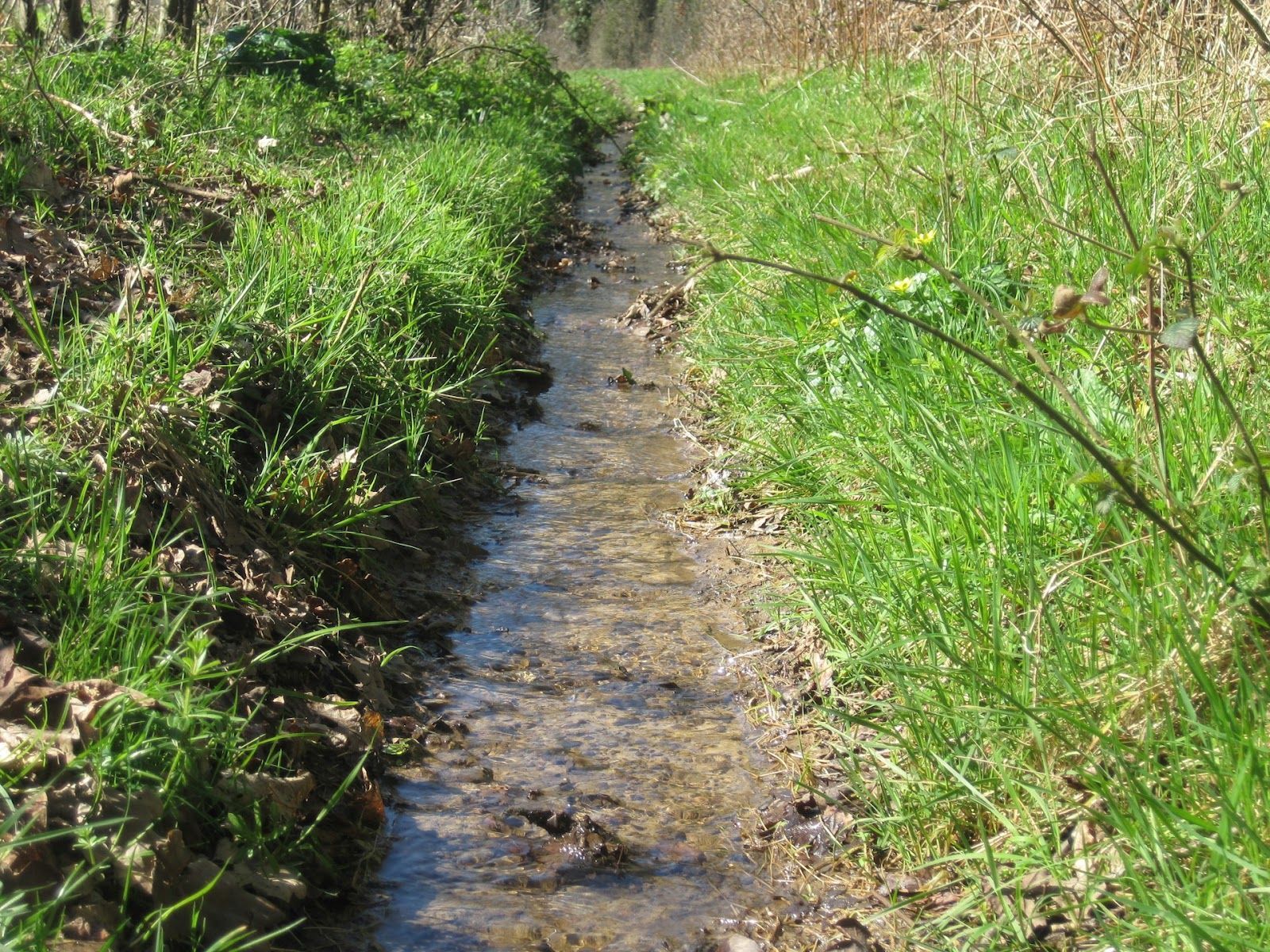
You walk out after a heavy Cypress rain and the same low spot is holding water again. Two days later, it is still soft, the grass is turning yellow, and water is sitting a few feet from your slab. Somebody online told you to dig a deep hole, fill it with gravel, and let the water drain straight down. That advice is cheap to try and expensive to undo when it does not work.
PearceScapes has spent more than 10 years building drainage in Cypress and Greater Houston, where the clay soil under most yards behaves nothing like the loam most online guides assume. Vertical drainage can help in very specific situations, but in dense Gulf Coast clay it usually fails because there is no permeable layer below for the water to escape into.
Keep reading to learn how vertical drains actually work, how to find the real source of your standing water, and which drainage system will fix it. By the end, you will know whether a deep drain belongs in your plan or whether your money is better spent on grading and pipe.
The Short Answer for Houston Clay Yards
In most Cypress and Houston yards, a vertical drain will not solve standing water on its own. Clay soil typically moves water at roughly 0.04 to 0.2 inches per hour at steady state, per USDA-NRCS infiltration rate data, so a gravel-filled shaft in clay simply becomes a bucket that fills and stays full.
The idea sounds logical. You dig down, add gravel or sand, and gravity pulls water below the surface. That only works when the shaft reaches soil that drains faster than the soil above it. Across much of Harris County, you hit more clay, not sand.
When a Deep Drainage Point Can Help
In some cases, a vertical drain earns its keep. It works best as a small, targeted tool, not the backbone of a drainage system.
- A shallow hardpan or compacted construction layer sits over looser soil below
- A small, isolated low spot holds water and no gravity outlet is available
- Roof runoff needs a temporary holding volume during short, intense storms
- Test digging confirms a sandy or silty seam within reach of a shovel
Why It Often Fails in Dense or Saturated Ground
Saturated clay has almost no room left to accept water. During Houston's wettest stretches, the ground stays wet for days, so the drain has nowhere to send anything.
Digging also smears the clay along the walls of the hole. That polished surface seals the shaft even tighter than the surrounding soil. Fill it with sand, and you have built a water storage tank with a lid of turf.
How Residential Systems Differ From Engineered Vertical Drains
Engineered vertical drains are real, but they are not yard drainage. Contractors drive prefabricated wick drains 30 to 100 feet deep under highways and embankments, then load the ground to squeeze out water.
That process speeds up soil settlement before construction. It is not designed to dry out turf after a thunderstorm. Before you pick any method, you need to know where your water is actually coming from.
Diagnose Where the Water Is Coming From
Standing water in a clay yard almost always has one of four causes. Getting this right matters more than any product you buy.
Start with a shovel after the next rain. Dig 12 to 18 inches in the wet spot and look at the walls of the hole. Wet at the top and dry below points to a surface or compaction problem, not a groundwater problem.
Surface Runoff and Poor Yard Grade
Water needs somewhere to go. If your lawn is flat or slopes back toward the house, rain has no path out and pools in the lowest spot.
Newer master-planned areas like Bridgeland and Towne Lake often have tight lots, and builder grading can settle within a few years. Abouthalf an inch of fall per foot away from the slabis the usual target, which matches the International Residential Code's minimum of six inches over ten feet for grading near a foundation.
Compaction in the Root Zone
Construction traffic and mowing compress clay into a dense layer a few inches down. Roots stop, water stops, and the top two inches turn to soup while the soil below stays hard.
Working compost and other organic matter into beds loosens that zone over time. It improves root health, though it will not move water off the property by itself.
Perched Water and a High Water Table
Perched water sits on top of a dense layer with nowhere to sink. After long wet periods near bayous and detention ponds, the water table itself can rise close to the surface.
If your test hole fills from the bottom up, no vertical drain will help. That water is already at capacity.
Foundation Runoff and Downspout Discharge
A single downspout can dump hundreds of gallons beside your slab in one storm. Clay expands when wet and shrinks when dry, and that cycle stresses foundations.
Follow every downspout to where it ends. Once you know the source, the right installation becomes much clearer.
What a Vertical Drainage Installation Involves
If testing shows a permeable layer within reach, a vertical drain becomes a real option. The work looks simple, but the details decide whether it lasts.
Choosing a Safe Location and Depth
Keep the drain at least 10 feet from your foundation and away from utility lines. Call 811 before digging more than a few inches.
Dig to the looser layer you confirmed, not an arbitrary depth. Guessing at depth is how most of these projects fail.
Using Filter Fabric, Aggregate, and Drain Tile
Line the shaft with filter fabric so clay fines do not wash into the stone and clog it. Fill with washed angular aggregate, and set a vertical section of perforated pipe or drain tile in the center so water can drop fast.
Never use bare sand against clay. The two mix into a dense paste that stops draining within a season or two.
Adding a Catch Basin for Surface Collection
A catch basin at the top gives surface water a real entry point, and traps leaves and grit. Without one, silt and mulch seal the top of the stone.
Plan on lifting the grate a few times a year. Gulf Coast humidity and heavy leaf drop fill basins faster than people expect.
Why Outlet Planning Still Matters
A drain with no outlet only stores water. That is why aFrench drain installationwith a gravity outlet to a curb, swale, or approved discharge point outperforms a vertical shaft in almost every clay yard.
If the water has no exit, you have delayed the problem, not solved it. So which options do move water out?
Better Solutions for Common Clay-Soil Problems
For most Houston-area yards, moving water sideways beats pushing it down. Clay drains poorly downward but sheds water well across a properly shaped surface.
Regrading and Swales for Moving Surface Water
Regrading fixes the cause instead of managing the symptom. A shallow swale, which is a wide grassed channel, carries runoff to a street or drainage easement without looking like a ditch.
This is often the cheapest lasting fix. On tight lots, a swale along a side yard can move thousands of gallons per storm.
French Drains for Intercepting Subsurface Flow
A French drain is a gravel-filled trench with perforated pipe wrapped in filter fabric, sloped to daylight. In clay, it works by intercepting water and carrying it out, not by soaking it in.
Slope is everything. Roughly one percent fall keeps water moving and keeps silt from settling inside the pipe.
Dry Wells and Rain Gardens Where Soil Testing Supports Them
A dry well stores runoff underground and releases it slowly. It only makes sense when a percolation test shows the soil can actually accept water.
A rain garden is a planted low area built with amended soil and moisture-tolerant plants. It handles roof runoff nicely, but it is a holding and filtering tool, not a replacement for an outlet.
Soil Improvements That Support but Do Not Replace Drainage
Compost, expanded shale, and core aeration improve the top several inches of clay. Healthier soil absorbs the first half inch of rain and reduces runoff.
None of that changes where a heavy storm goes. That is why the plan matters more than any single product.
Choose the Right Plan Before Water Damages Your Yard
The right drainage system starts with a site assessment, not a catalog. Two neighbors on the same street can need completely different fixes based on grade and where their water lands.
Signs You Need a Professional Site Assessment
Some symptoms mean the problem is bigger than a weekend project. Water within a few feet of the slab is at the top of that list.
- Standing water lasting more than 24 hours after rain stops
- Soggy turf or moss in the same spot every season
- Cracks in patios, walkways, or interior drywall
- Runoff crossing from a neighbor's lot onto yours
- Mulch or soil washing out of beds after every storm
Questions to Ask Before Approving a Drainage Proposal
Ask where the water will exit and what the slope will be. Ask what pipe and fabric will be used, and how the system will be cleaned out later.
Clear answers to those questions separate a real design from a guess. Vague answers usually mean vague results in clay soil.
Schedule a Cypress Drainage Consultation
Awalk-through with elevations and a plan on paper is worth more than any single trench. That step turns a soggy yard into a working one.
Frequently Asked Questions
Will a Vertical Drain Help Water Move Through the Heavy Clay Soil in Your Cypress Yard?
Usually not on its own. Cypress clay drains at a fraction of an inch per hour, so a gravel shaft fills and holds water instead of releasing it. It only helps if digging confirms a looser, sandier layer within reach.
How Deep Should You Install a Vertical Drainage Pipe in Houston-Area Clay Soil?
Set depth based on what your test hole reveals, not a standard number. The drain must reach a layer that drains faster than the clay above it. If you hit clay all the way down, added depth adds cost without results.
Is a Vertical Drain or a French Drain Better for Standing Water in Your Yard?
For most Houston-area yards, a French drain wins because it carries water out to a real outlet. A vertical drain only stores water and depends on the soil accepting it. Grading plus a sloped french drain handles far more volume.
What Materials Should You Use for a Durable Vertical Drain in Clay Soil?
Use filter fabric against the soil, washed angular aggregate, and perforated pipe or drain tile in the center. Skip bare sand, which mixes with clay into a dense paste. A catch basin at the top keeps silt and leaves out.
Can You Install Vertical Drainage Yourself, or Should You Hire a Professional?
Small trial holes are fine for testing, but anything near a foundation or utility line should be done by a professional. The wrong depth, slope, or missing outlet can push water toward your slab. That repair costs far more than the drain.
What Are the Main Pros and Cons of Vertical Drains for Clay Soil Drainage?
The upside is a small footprint and short install time in an isolated low spot. The downsides are clogging, no outlet, and poor performance in saturated clay after long Houston rain cycles. They work best as a support piece, not the main system.
Getting Water Off Your Yard for Good
Vertical drainage is not a universal answer for Gulf Coast clay soil. It helps only when testing proves there is somewhere for the water to go, and in most Cypress yards, there isn't.
The reliable path is to find your water source first, then fix the grade, add a properly sloped French drain, and give the system a real outlet. Soil amendments support that work; they do not replace it.
You have done the research. Now get a plan built around your actual yard.Contact PearceScapes to schedule your free consultation and get a clear picture of what the work involves and what it costs.