
Landscape Lighting Maintenance in Cypress, TX: Protect Your System
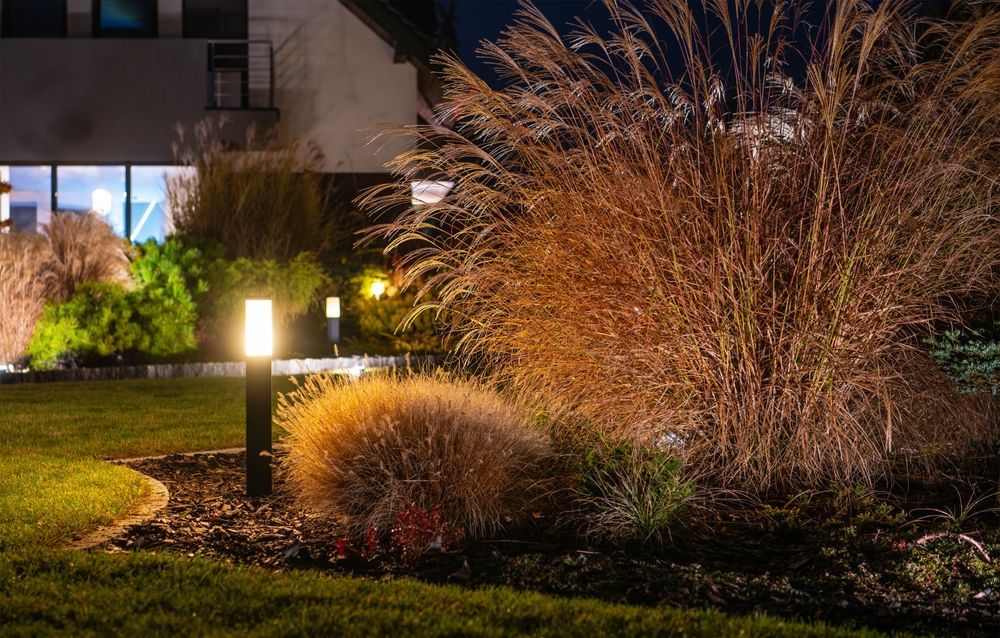
You paid good money for landscape lighting, and last spring it looked sharp. Now two path lights are dark, one uplight points at the sky, and the fixture by the driveway has a white crust. That is not bad luck. That is what Cypress humidity, summer heat, and clay soil do to an outdoor lighting system left alone for a few years.
Regular landscape lighting maintenance in Cypress, TX costs far less than replacing fixtures that failed from corrosion, water intrusion, or a transformer nobody ever tested. PearceScapes has worked in Cypress and the Greater Houston area for more than 10 years, and the local conditions here are exactly what shortens fixture life.
Keep reading to learn what a real inspection covers, which problems need prompt repair, and how to tell whether your system needs upkeep or a full rebuild.
Why Cypress Weather Makes Routine Care Essential
Cypress sits in a humid subtropical climate with long, brutal summers and heavy thunderstorm cycles. That combination attacks every part of a landscape lighting system, from the lens gasket to the buried wire splice.
Homeowners in Bridgeland, Towne Lake, Katy, and Tomball all deal with the same three forces working against their fixtures at once.
Humidity, Heat, and UV Exposure
Moisture in the air never really leaves here. It works into fixture housings, sits on contacts, and starts oxidation on brass and aluminum long before you notice a dim light.
Houston summer heat adds a second problem. Ground temperatures near a west-facing bed can run brutally hot, shortening lamp life and stressing socket materials. Direct UV also clouds plastic lenses and fades painted finishes within a couple of seasons.
Sealed brass and copper fixtures handle this better than budget aluminum or composite, but even good hardware needs the seals checked.
Heavy Rain, Water Intrusion, and Corrosion
A single Gulf Coast storm can drop several inches in an hour. Water pools in beds, rises above low-set well lights, and finds any gap in a gasket or wire nut.
Once water gets inside a fixture, corrosion builds on the contacts and the lamp starts flickering or quits entirely. Buried splices that were never made with waterproof connectors are the most common failure point we see after a wet week.
Soil Movement and Fast-Growing Foliage
Cypress clay soil swells when wet and shrinks when dry. That movement tilts stakes, pulls buried cable tight, and slowly rotates fixtures away from their intended target.
Meanwhile your shrubs keep growing. A crepe myrtle or holly that was a foot clear of an uplight three years ago is now blocking half the beam.
All of that raises the obvious question: what should someone actually check when they come out?
What a Professional System Inspection Should Include
A real inspection isn't a walk-around with a flashlight. It follows an order: electrical readings first, then hardware, then a night walk to confirm what the system actually does after dark.
Good outdoor lighting services test the system under load, not just look at it in daylight.
Fixture, Lens, and Seal Condition
We open, clean, and inspect each fixture. Dirt and hard water film on a lens can noticeably cut light output, so cleaning alone often brightens a system without any new parts.
Gaskets and O-rings get checked for cracking, since a failed seal is what lets the next rainstorm inside. Remove corrosion from the housing and reseat the fixture at the proper depth.
Wiring, Connections, and Transformer Testing
This is where most real problems hide. A technician should measure load at the transformer, then check voltage at the first, middle, and last fixture on every run.
Low readings at the end of a run point to voltage drop, undersized wire, or a corroded connection. Open splices are opened and redone with waterproof connectors when they show green oxidation.
- Transformer load compared to total system wattage
- Voltage at the start, middle, and end of each cable run
- Condition of every buried or above-grade splice
- Breaker and ground fault protection at the transformer
- Cable depth where clay movement or edging has exposed wire
Timers, Photocells, and Seasonal Control Settings
Sunset in Cypress shifts by more than two hours between June and December. A timer set once in spring can run your lights long after you are asleep by fall.
Photocells can get dusty or shaded by new growth, which can make lights come on at odd hours. Smart controllers need their astronomical settings verified so the schedule tracks actual sunset.
Once the electrical side checks out, the lamps themselves are the next thing to check.
Lamp Replacement and Fixture Performance Checks
Lamp replacement is the most routine part of outdoor lighting maintenance, and the easiest place to make a system look worse than it is. Mixing lamp types across a yard is a common mistake.
When Dimming and Flickering Signal a Larger Issue
One dim lamp is usually just an aging lamp. Several dim lamps on the same run almost always mean voltage drop or a bad connection upstream.
Flickering points to a loose socket contact, moisture on the terminals, or a transformer working past its capacity. Replacing the bulb without fixing the cause just resets the clock on the same failure.
Choosing Compatible LED Lamps and Halogen Bulbs
LED lamps use a fraction of the wattage halogen bulbs draw and last much longer under regular nightly use. According to the U.S. Department of Energy, residential LEDs use at least 75% less energy and last up to 25 times longer than incandescent lighting. Those efficiency gains also hold for low-voltage landscape fixtures, since they use the same LED technology.
But not every LED works in every fixture or on every existing transformer. Color temperature matters just as much. If you swap one lamp for a cooler LED, that fixture will read blue next to warm halogen neighbors. Matching Kelvin and beam spread across the system keeps the original design intact.
Restoring Proper Aim, Spacing, and Light Output
After clay soil shifts and mowers bump fixtures, aim drifts. A night walk with one person adjusting while another watches from the street is the only way to get it right.
Spacing may also need attention if beds were replanted or a tree was removed. Some issues, though, go past adjustment and cleaning.
Common Problems That Need Prompt Repair
Certain failures are not maintenance items. They are safety or water intrusion problems that should be handled quickly.
Tripped Breakers, Dead Zones, and Exposed Wiring
A breaker that trips repeatedly at the transformer means a short, a ground fault, or an overloaded circuit. Resetting it repeatedly isn't a fix and can damage the transformer.
Dead zones where a whole section goes dark usually trace to one cut cable, often from a shovel or an edger. Exposed low-voltage wire along a bed edge needs to be reburied at proper depth right away.
Corroded Contacts and Water-Damaged Fixtures
Green or white buildup on a socket contact will keep coming back until you replace the seal. Cleaning the contact buys a few months, not years.
Fixtures that filled with water during a storm often need replacement rather than repair, especially thin aluminum housings. Brass and copper units can usually be rebuilt with new sockets and gaskets.
Landscape Changes That Obscure or Misalign Lights
New sod raises grade around path lights and buries the lower half of the housing. Mulch does the same thing in beds, and trapped moisture speeds corrosion.
Growth that swallows a fixture may call for relocation rather than trimming. That is closer to a small outdoor lighting installation than a repair.
Which leads to the bigger decision most homeowners eventually face.
Choosing Ongoing Care or Replacing an Aging System
At some point, repair costs on an old system pass the cost of new fixtures. Knowing where that line sits saves money.
How Often to Schedule Service
Once a year is the minimum for a Cypress yard. Twice a year makes sense if you have mature plantings, irrigation running through the beds, or heavy tree cover.
A lighting care and prevention program typically bundles inspections, lamp replacement, cleaning, and seasonal timer adjustments. Some homeowners add holiday lighting to the same schedule.
When Repair Costs Point to an LED Upgrade
If you are replacing halogen bulbs every year across a dozen fixtures, converting to LED lighting usually pays back within a few seasons. Lower wattage also reduces heat inside the housing.
An LED retrofit sometimes lets one transformer carry more fixtures than the original design allowed.
When Landscape Lighting Installation in Cypress TX Makes More Sense
Once housings are cracked, wire is undersized, and half the runs read low voltage, patching stops being economical. A fresh landscape lighting installation in Cypress TX gives you correct wire gauge, waterproof connections, and fixtures rated for this climate.
If you're weighing that decision, our guide on landscape lighting for safer, better-looking yards walks through which areas to prioritize and how Gulf Coast conditions shape those choices.
New installs also let you redesign around how your yard looks today, not how it looked ten years ago.
Frequently Asked Questions
How Often Should You Schedule Professional Landscape Lighting Maintenance for Your Cypress Home?
Once a year is the baseline for most Cypress yards. Go to twice a year if you have mature plantings, irrigation in the beds, or heavy tree cover that speeds up moisture and growth issues.
Why Do Your Outdoor Landscape Lights Stop Working After Heavy Rain or Humid Weather?
Water can enter fixtures through worn gaskets and non-waterproof wire splices. Once moisture reaches the contacts, corrosion builds, and the lamp dims, flickers, or goes dark entirely.
How Can You Tell if Your Landscape Lighting Transformer Is Failing?
Watch for a breaker that keeps tripping, a humming or hot transformer case, or several fixtures dimming at the same time. A load and voltage test tells you whether the transformer or the wiring is the real problem.
How Long Do LED Landscape Lighting Fixtures and Bulbs Typically Last?
Manufacturer-rated LED lamps commonly run 30,000 to 50,000 hours, which can mean many years of nightly use, and the U.S. Department of Energy confirms LED products last far longer than incandescent lighting as a general rule. Gulf Coast heat and humidity can still shorten real-world lifespan, so seals and contacts need annual checks regardless of the box rating.
What Does Professional Landscape Lighting Maintenance Include for Your Yard?
A full visit covers transformer load and voltage readings, splice inspection, fixture and lens cleaning, seal replacement, lamp swaps, and timer or photocell adjustment. It ends with a night walk to re-aim fixtures.
Can Damaged Wiring, Connections, or Fixtures Be Repaired Without Replacing Your Entire Lighting System?
Yes, in most cases. Cut cable, corroded splices, and failed sockets are all repairable, and solid brass or copper fixtures can be rebuilt. Full replacement only makes sense when housings and wire gauge are failing across the whole system.
Keep Your Lighting Investment Working After Dark
Landscape lighting in Cypress, TX does not fail all at once. It fades one fixture at a time, until the yard you were proud of looks half lit.
The fix is not complicated. Test the electrical side, clean and reseal the fixtures, match your lamps, and adjust the timer as sunset moves. Do that once or twice a year, and your system holds up against the humidity, heat, and clay soil movement that wear it down.
If several fixtures are dark, the transformer is tripping, or you are not sure what you are looking at, have someone assess it before the next storm. Pearce Scapes handles residential and commercial lighting service across Cypress and the Greater Houston area.
You have done the research. Now get a plan built around your actual yard. Contact PearceScapes to schedule your free consultation.