
Landscape Design in The Woodlands, TX for Drainage, Shade, and Curb Appeal
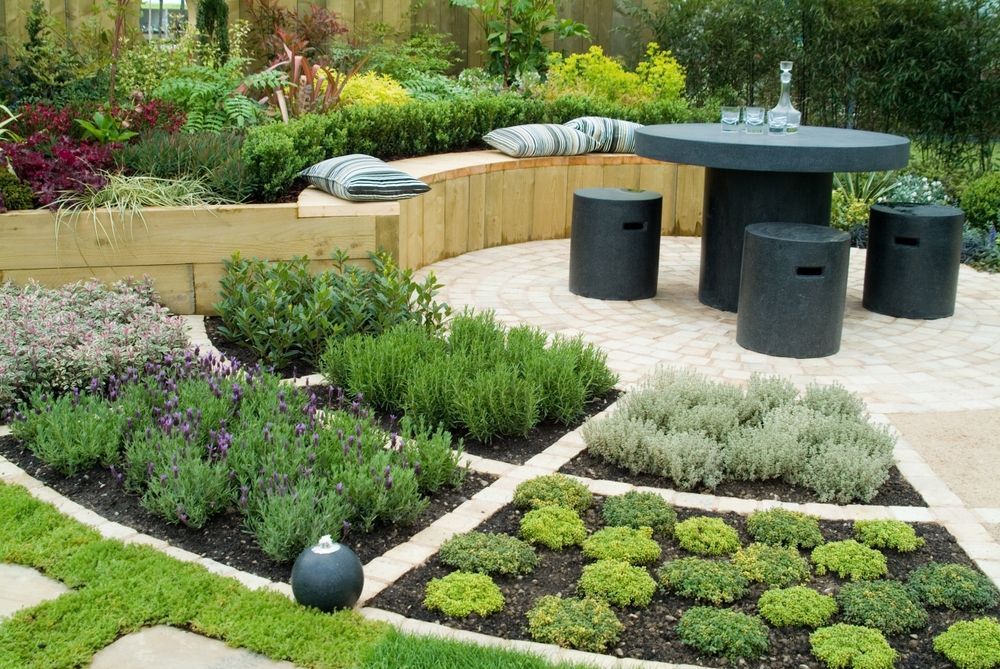
If your yard in The Woodlands has a dense tree canopy overhead and a low spot that holds water after every storm, you already know how quickly generic landscaping advice falls apart. The soil in this area shifts between sandy loam and compacted patches. The shade is deep in places and blazing in others. A plan built for a typical suburban yard in another Houston suburb may not survive a full summer here, let alone perform for years.
Pearce Scapes is a Greater Houston landscaping contractor with over 10 years of Gulf Coast project experience, and the team works regularly in communities where tree cover, heavy rainfall, and shifting soil conditions are part of every design conversation. That local knowledge makes a real difference when the goal is a yard that holds up through Houston summers and looks polished year-round.
Keep reading to learn what sets landscape design in The Woodlands apart from other suburbs, how drainage and soil conditions should shape your plan before you choose a single plant, and what features add lasting value to a wooded Gulf Coast property.
What Makes Yards in The Woodlands Different
The Woodlands was built around its tree canopy, and that shapes everything from plant selection to drainage planning. Most yards here deal with filtered light, surface roots, and soil that behaves differently depending on where you are on the lot.
How Tree Canopy Changes Sun, Moisture, and Plant Choices
Mature pines and oaks drop needles and leaves that raise soil acidity over time. That matters when you are selecting plants for beds near large trees, because many common flowering shrubs prefer neutral to slightly acidic soil and struggle when acidity builds up without correction.
The canopy also creates microclimates within a single yard. One corner may get four hours of direct sun while another stays shaded all day. A reliable landscape design in The Woodlands, TX accounts for those shifts zone by zone, not just across the property as a whole.
Turf grass especially suffers under heavy shade. St. Augustine holds up better than most grass types in partial shade, but it still needs some light to stay healthy. Knowing how much sun each area gets before you plant saves you from having to replace struggling grass or beds a year later.
How Sandy Loam Pockets and Compacted Areas Affect Planning
Not every yard in The Woodlands sits on sandy loam. Many properties have layered soil profiles, with looser sandy areas near the surface and tighter, more compacted layers below. That mix changes how water moves through the ground and where plant roots can establish.
Compacted areas drain poorly and can create surprisingly wet spots even when the surrounding yard looks dry. Sandy loam, by contrast, drains quickly but holds fewer nutrients. A good landscape plan tests and maps these conditions before bed placement or grading decisions are made.
This is why soil preparation is not optional in this area. Amending beds with compost before planting improves both drainage and nutrient retention in a single step.
Why Humidity and Heavy Rains Shape Long-Term Results
The Woodlands averages over 50 inches of rain per year, and most of it arrives in heavy, fast bursts rather than steady soaks. That puts real stress on grading, plant beds, and any hardscape installed without proper water management underneath.
High humidity also shortens the life of plants that need dry conditions to thrive. It speeds up fungal issues in turf and contributes to root rot in poorly drained beds. Choosing plants suited to the Gulf Coast humid subtropical climate is not a preference; it is a practical requirement for long-term results.
Understanding how your yard handles water is the foundation of every other design decision you will make.
Start With the Layout That Fits How You Live
A yard layout that works on paper but fights how your family actually moves through the space will frustrate you within a season. Good landscape design starts with observing how you use the property, then building around those patterns.
Front Yard Priorities for Arrival, Visibility, and Curb Appeal
Your front yard sets the tone for your entire property the moment someone pulls up. In The Woodlands, where mature trees often dominate the front of the lot, the best designs work with the existing canopy rather than trying to remove it.
Layered plantings work well here. Tall background shrubs, mid-height accent plants, and low ground covers create depth without competing with the tree canopy above. A defined walkway from the driveway to the front door improves both safety and curb appeal, especially when paired with clean masonry edging around the beds.
Seasonal color in pots or small planting pockets keeps the front yard looking fresh through spring and fall without requiring a full redesign.
Backyard Zones for Outdoor Living, Shade, and Family Use
Most families in The Woodlands want a backyard that can handle two or three different uses at once. A shaded patio for adults, a lawn area for kids, and a planted border that provides privacy are a common combination.
Defining those zones in the design early prevents them from competing with each other as plants and structures mature. A patio placed too close to a large tree, for example, will deal with surface roots and debris year-round. Spacing decisions made at the design stage are far easier than corrections made after installation.
Shade structures like pergolas or patio covers extend the usable season in a yard where the summer heat would otherwise push people back indoors from May through September.
How to Balance Privacy, Open Lawn, and Plant Beds
Privacy planting along a fence line can create a natural buffer without making the yard feel closed in. Fast-growing evergreen shrubs like wax myrtle or Nellie R. Stevens holly work well in The Woodlands because they tolerate the humidity and stay full through winter.
An open lawn in the center of the yard keeps the space feeling spacious and gives kids and pets room to move. Beds along the perimeter frame the space and allow for color and texture without sacrificing usable ground. Striking that balance is one of the main design challenges in a wooded suburban lot, and it gets easier when you map the yard before choosing plants.
Once the layout is set, the next question is whether the ground beneath it is ready to support what you are building.
Soil, Grading, and Water Management Come Before Planting
Skipping soil and drainage work before planting is the most common reason yards in this region fail within a few years. Getting this right first protects everything you invest in plants, hardscape, and lawn.
When Drainage Problems Should Drive the Design First
If your yard holds standing water after rain, that is not a cosmetic issue. It signals a grading problem, a soil compaction issue, or both. Planting over a drainage problem without fixing the underlying cause means replacing plants on a regular cycle.
The design should address water movement before anything else goes in. Grading the yard to direct runoff away from the house and toward a suitable outlet is the starting point. From there, additional solutions layer in based on how severe the problem is.
A yard that drains correctly also protects your foundation and prevents soil erosion in bed areas, which is a common issue on sloped lots near wooded areas.
Where French Drains, Swales, and Bed Elevation Make Sense
French drains, which are gravel-filled trenches with a perforated pipe at the bottom, move subsurface water from a wet area to a lower outlet point. They work well in yards where the soil stays saturated after heavy rain.
Swales are shallow, gently sloped channels that direct surface runoff across the yard. They are less visible than pipes but just as effective when graded correctly. Raising the plant bed elevation slightly above grade is a simpler fix for smaller problem areas and improves root health at the same time.
Choosing between these options depends on where water enters the yard, how fast it moves, and where it needs to go.
How Smart Irrigation Supports Healthier Plants Without Waste
A properly zoned irrigation system waters each area of your yard based on its actual needs. Shaded beds need less water than sunny lawn areas. Sandy loam pockets dry out faster than compacted clay zones. A system that ignores those differences overwaters some areas and underwaters others.
For homeowners in Cypress or Katy who have watched a lawn go yellow in spots despite running the sprinklers, the cause is often uneven irrigation. Zones set up based on plant type and sun exposure, not just convenience, solve that problem without increasing the water bill.
Smart controllers adjust run times based on local weather data, which is especially useful in a climate where two inches of rain can fall in an afternoon. That kind of adjustment would require daily manual changes without a smart system in place.
Plant and Material Choices That Suit a Wooded Gulf Coast Community
The plants and materials that perform best in The Woodlands are ones bred or adapted for heat, humidity, and periodic heavy rainfall. Selecting them early saves time and money later.
Plants That Handle Shade, Heat, and Humidity
Several plants thrive consistently under The Woodlands' conditions:
- Turk's cap (Malvaviscus arboreus): handles deep shade, attracts pollinators, and survives heat and clay
- Cast iron plant (Aspidistra elatior): almost indestructible in dense shade with high humidity
- Liriope (Liriope muscari): durable ground cover that holds well under tree canopies
- Gulf muhly grass (Muhlenbergia capillaris): full sun to part shade, drought-tolerant once established
- Oakleaf hydrangea (Hydrangea quercifolia): performs in partial shade and handles Houston summers better than most hydrangeas
These plants are proven in the Gulf Coast's USDA hardiness zone 8b to 9a range and do not require significant soil amendment to establish.
Hardscape Materials That Stay Durable and Natural-Looking
Concrete pavers and natural limestone hold up well in this climate when installed on a properly compacted base with adequate drainage beneath them. Without that base work, pavers shift and crack as the soil undergoes wet-and-dry cycles.
Decomposed granite works in low-traffic path areas and drains well, but it requires periodic refresh and is not ideal for main patio surfaces where furniture sits. For primary entertaining areas, concrete pavers or flagstones provide a surface that stays stable and looks polished for years.
Natural-looking finishes fit The Woodlands aesthetic better than stamped concrete patterns that age poorly in high-UV, high-humidity conditions.
How to Keep the Yard Polished Without High Upkeep
Choosing the right plants and materials at the start is the best low-maintenance strategy. Dense ground covers reduce weeding time in beds. Mulch applied to a depth of 3 inches holds moisture, moderates soil temperature, and slows weed germination.
Edging beds with masonry or steel gives the yard a clean line that holds through weather and foot traffic. That edge makes the difference between a yard that looks maintained and one that looks overgrown even when the plants are healthy. Regular fertilization and seasonal color swaps keep the planting fresh without a full redesign each year.
With plants, materials, and maintenance in mind, the next layer of value comes from features that work after the sun goes down.
Features That Add Nighttime Function and Lasting Value
A yard that looks great during the day but goes dark at night loses half its potential. The right features extend your outdoor living hours and improve how the property shows from the street.
Where Outdoor Lighting Improves Safety and Appearance
Pathway lighting guides guests safely from the driveway to the front door without harsh overhead fixtures that wash out the yard. Accent lighting placed at the base of trees draws attention to the canopy and adds depth and texture to the property after dark.
Step lighting on exterior stairs is a practical safety addition that is easy to overlook in the planning stage. It makes a real difference in usability, especially during the months when it gets dark early. Well-planned outdoor lighting for Gulf Coast properties considers both the artistic aspect and the functional needs.
Lighting zones controlled separately allow you to run pathway lights all evening while limiting accent lights to specific hours, which keeps energy use reasonable.
Ways Patios, Walkways, and Edging Support Daily Use
A patio that connects directly to the back door gets used. One that requires crossing a lawn to reach rarely does. Placement decisions that prioritize the way your family moves through the yard create spaces that get genuine daily use rather than sitting empty most of the week.
Walkways through the yard protect turf from foot traffic and give the space structure. Clean masonry edging along bed perimeters makes mowing and trimming faster and gives the yard a finished look that holds through the season.
How Small Upgrades Can Improve Resale Appeal
Buyers in The Woodlands pay attention to outdoor spaces. A defined patio area, clean plant beds, working irrigation, and good lighting signal that the property has been cared for. Those details do not require a full landscape redesign to achieve.
Focusing on the front yard first gives you the highest visibility return. Clean edging, fresh mulch, healthy plants, and a well-lit walkway create an arrival experience that carries real weight with buyers and neighbors alike.
With the features mapped out, the last step is making sure the person you hire can actually deliver them.
How to Evaluate a Designer Before You Hire
A consultation is not just about getting a quote. It is your chance to assess whether the designer understands your property and communicates in a way you trust.
Questions to Ask About Process, Budget, and Communication
The questions that matter most before signing anything include:
- Who manages the project on-site? Is it the designer or a separate crew?
- How do you handle changes to the scope once work starts?
- What does the timeline look like from design approval to final cleanup?
- How do you communicate during the project, and how often?
- Does your quote cover drainage, irrigation, and lighting, or are those separate bids?
A designer who answers these clearly and directly is one who has handled real projects and knows where problems typically arise. Vague answers regarding budget or timeline communication are worth noting early on.
What Local Experience Should Mean in The Woodlands
Local experience in this context means familiarity with The Woodlands' specific soil variability, HOA design standards, and the way heavy Gulf Coast rains behave on wooded lots with surface roots and inconsistent grading.
A contractor who has worked mostly in flat, open suburban yards elsewhere may underestimate how much subsurface drainage work a wooded lot requires. Asking for examples of completed projects in The Woodlands or similar wooded communities gives you a clearer sense of relevant experience than a general portfolio.
Professional landscaping services that include design, grading, planting, and lighting under one roof reduce the coordination burden on you and lower the risk of something falling through between subcontractors.
When Nearby Communities Like Woodforest Offer Useful Comparisons
Woodforest, located in Montgomery County near Conroe, shares several characteristics with The Woodlands: wooded lots, HOA aesthetic standards, and similar soil variability. Projects completed in Woodforest often involve the same drainage and shade challenges you would face in The Woodlands.
Asking a designer about their experience in communities like Woodforest or similar master-planned areas north of Houston tells you whether they understand the regional context or are applying a one-size approach to every yard. It is a useful filter that goes beyond just checking reviews.
A thorough consultation with a designer who knows these communities will surface details about your specific lot that a shorter initial call would miss.
Frequently Asked Questions
Who manages the project on-site?
At Pearce Scapes, we ensure clear on-site management to reduce communication gaps and keep the project on schedule. Knowing whether a designer or a separate crew manages the daily work helps you set expectations for the installation phase.
How do you handle changes to the scope once work starts?
A reliable contractor uses a clear process for scope changes, including written documentation and updated cost estimates. Discussing this early avoids surprises and ensures transparency throughout the project.
What does the timeline look like from design approval to final cleanup?
Project timelines vary based on complexity, but you should receive a written estimate before signing. This helps you plan around the installation and sets clear benchmarks for completion.
How do you communicate during the project, and how often?
Regular updates from a project manager keep you informed without requiring daily check-ins. Confirming preferred communication methods—phone, text, or email—ensures a smoother experience.
Does your quote cover drainage, irrigation, and lighting, or are those separate bids?
Full-service quotes that include drainage, irrigation, and lighting in a single plan save you from coordinating multiple contractors. Always confirm exactly what is included before approving a final estimate.
Make a Plan That Fits Your Yard and Your Life
Good landscape design in The Woodlands, TX starts with the conditions under your feet, not the photos in a design catalog. Soil variability, tree canopy, drainage patterns, and Gulf Coast humidity all shape what will actually work on your property.
The right plan accounts for how water moves through your yard before a single plant goes in. It chooses materials and plants suited to the heat and humidity. And it adds features like lighting and defined outdoor spaces that your family will actually use.
PearceScapes works with Greater Houston homeowners on exactly this kind of planning. From drainage and irrigation to planting and outdoor lighting, the team manages the project from design through final cleanup.
Get in touch to schedule your free consultation and get a plan tailored to your yard's actual conditions.