
Backyard Landscaping Design Katy TX for Better Family Use
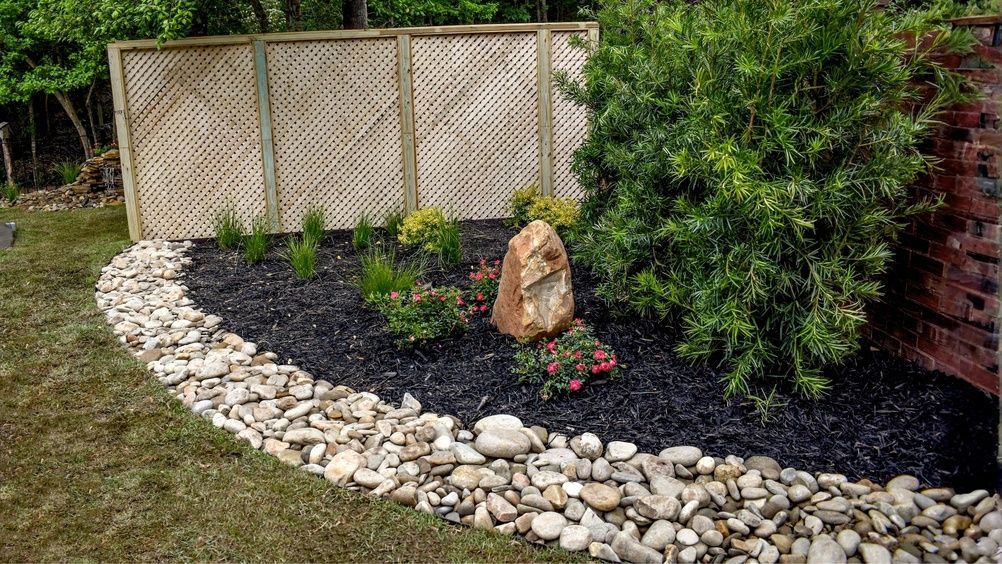
Your Katy backyard has real potential, but professional backyard landscaping design Katy, TX bridges the gap between a rough lawn and a yard your family actually uses. Clay soil that floods after every storm, summer heat that chases everyone indoors by noon, and HOA-style requirements that limit your choices all make backyard planning more complicated here than in other parts of the country.
Families in master-planned communities like Cinco Ranch, Cross Creek Ranch, and Bridgeland deal with these challenges every season. Getting the right outcome means working with someone who understands Gulf Coast soil and climate, not just general landscaping principles.
Keep reading this guide from PearceScapes to learn how to identify the real problems holding your backyard back, how to lay out functional zones that your family will use, and which surfaces, plants, and systems hold up in Katy's conditions.
This guide covers everything from shade structures and drainage to lighting and irrigation, so you can make confident decisions before a single shovel hits the ground.
Start With the Backyard Problems Katy Families Want to Solve
Most Katy backyards share the same three frustrations: standing water after rain, no usable shade, and a layout that does not match how the family actually lives. Identifying these before you design anything saves you from expensive fixes later.
Creating Space for Entertaining, Kids, and Daily Use
A backyard that works for a family needs more than grass and a fence. You need clear zones for different activities, and those zones have to be sized right for how you actually live. A patio too small to seat six people is not functional. A lawn area eaten up by overgrown beds leaves no room for kids to play.
Think about the activities your family does most. Grilling and eating outside, watching kids play, gathering with neighbors, or just sitting in the evening quiet all require different amounts of space and different surfaces. Professional landscaping design starts by mapping those activities to specific areas of your yard.
The most usable backyards in Katy typically include a hard-surface zone for seating and dining, a turf area for open play, and planted edges that add privacy and define the space. That structure can fit most suburban lot sizes when it is planned intentionally from the start.
Planning Around Clay Soil, Heavy Rain, and Summer Heat
Katy's clay soil expands when it absorbs water and contracts when it dries out. That cycle cracks patios, heaves pavers, and kills roots that sit in standing water too long. Any backyard landscaping design in this area has to account for drainage before it accounts for aesthetics.
Summer heat in the Greater Houston area pushes afternoon temperatures past 95 degrees for weeks at a time. Plants that look healthy in April can cook by July if they are not selected for Gulf Coast conditions. Shade placement matters too. A patio facing west with no overhead cover becomes unusable for half the year.
Solving these problems in the right order makes every other design decision easier. Get drainage right, plan for shade, then add the features and planting that complete the space.
Working Within HOA Style Expectations and Lot Constraints
Master-planned communities in Katy often have Architectural Review Committees that govern fence heights, hardscape materials, turf percentages, and plant palette choices. Ignoring those rules mid-project leads to costly revisions or fines.
Good backyard design works within those boundaries from the beginning. That means reviewing HOA guidelines before selecting materials, choosing plants that fit both the climate and the community's standards, and designing hardscape edges and bed lines that satisfy review requirements. Working with a team familiar with Katy's master-planned neighborhoods saves time at every stage of approval.
Once you have a clear picture of your constraints, the next question is how to organize your yard into zones that actually serve your family.
Build the Layout Around Functional Zones
A good backyard layout works the way a well-designed floor plan does: each space has a purpose, and moving between them feels natural. In Katy backyards, that usually means combining a hardscape anchor, an open lawn section, and connected paths.
Patio Placement for Shade, Seating, and Traffic Flow
Your patio is the anchor of your outdoor living space. Where you place it determines how often your family uses it. A patio on the east or north side of your yard stays in the shade longer during the afternoon. That matters in Katy from May through October.
Size matters as much as location. A 12-by-12-foot patio feels comfortable for two people but crowded for a family dinner. Most families in Katy plan for at least a 16-by-20-foot surface when they want room for seating and a grill station. Traffic flow from the back door to the patio and from the patio to the lawn should feel direct, not like an obstacle course.
Custom patios also allow you to incorporate shade into the structure itself. A pergola or patio cover attached to the house adds functionality without encroaching on the lawn area you need for other uses.
Lawn Areas That Stay Usable Without Wasting Space
Open turf gives kids a place to run and gives your yard a visual rest from hardscape and planted beds. In Katy, St. Augustine grass is the most common choice because it tolerates clay soil, moderate shade, and humid subtropical heat better than Bermuda or Zoysia in many yards.
Keep the lawn area simple in shape. Irregular lawn outlines are harder to mow and harder to irrigate efficiently. A clean rectangle or open curve bordered by planted beds or hardscape edges holds up better over time and looks more intentional.
Avoid shrinking the lawn too much to add features. A yard with too many overlapping zones loses the breathing room that makes outdoor spaces feel comfortable and inviting.
Walkways and Transitions That Keep the Yard Connected
Walkways do two jobs: they protect your lawn from foot traffic patterns, and they give the design a visual structure that ties zones together. A path from your patio to a side gate, a garden shed, or a play area prevents worn grass channels and adds a polished look to the yard.
Pavers, decomposed granite, and stepping stones all work well in Katy yards. The key is choosing materials that can handle clay soil movement without cracking or sinking. A proper gravel base and a compacted bedding layer under any walkway surface make a significant difference in how long it lasts.
Good transitions between hardscape and planted areas also control erosion and keep mulch from washing across your lawn after heavy rain. Once your layout is set, the next decision is which surfaces and structures will hold up to Gulf Coast conditions over the long term.
Choose Surfaces and Structures That Hold Up in Katy
Materials that perform in mild climates often fail in the heat cycles and clay soil movement common in Greater Houston. Choosing right the first time is far less expensive than replacing surfaces after a few years.
Comparing Pavers, Natural Stone, and Stamped Concrete
Each surface option has real trade-offs in Katy's conditions:
- Concrete pavers offer flexibility because individual units can be reset if the ground shifts. They hold color well and come in a wide range of styles suited to Katy HOA palettes.
- Natural stone such as flagstone or limestone adds texture and a custom look, but it requires a stable base to prevent uneven settling on clay soil.
- Stamped concrete is typically the most affordable option per square foot and can closely mimic stone or brick patterns. It requires proper expansion joints to manage cracking as soil moves.
All three options perform better with the right sub-base preparation. Skipping that step to cut costs leads to cracked or sunken surfaces within a few seasons.
When Pergolas and Shade Structures Make Sense
A pergola or attached patio cover extends the usable hours of your outdoor living space significantly in Katy. Without shade, a south- or west-facing patio becomes too hot for comfortable use by early afternoon from late spring through early fall.
Wood pergolas offer a warm, natural look but require more maintenance in Houston's humidity. Aluminum and steel structures last longer with less maintenance. A solid patio cover blocks rain and direct sun entirely, while an open-lattice pergola softens light and can support climbing plants for added greenery.
Low-Maintenance Options Like Artificial Turf in Select Areas
Artificial turf works well in high-traffic zones where real grass struggles, such as under play structures, beside pools, or in shaded side yards where St. Augustine thins out. It requires no mowing, irrigation, or fertilization in those spots.
The surface heats up in direct sun, so artificial turf is better suited to partial-shade areas in Katy rather than full-sun open lawn sections. Used selectively, it reduces maintenance burden without replacing the look and feel of a real lawn in your main yard areas.
Surfaces and structures shape the frame of your yard. What happens underneath them, including drainage, irrigation, and plant health, determines whether that frame stays intact through Gulf Coast weather.
Handle Drainage, Irrigation, and Planting as One System
Drainage, irrigation, and planting are not separate projects. They affect each other directly, and designing them together prevents the kind of problems Katy homeowners deal with every wet season.
Drainage Fixes for Flat Yards and Standing Water
Many Katy lots are nearly flat, which means water has no natural path away from your yard after heavy rain. Clay soil makes it worse because it absorbs slowly and holds water near the surface for hours or days. That standing water drowns grass roots, erodes the edges of the bed, and creates muddy zones that limit how you use your yard.
Drainage solutions for flat Houston yards typically include French drains (gravel-filled trenches that redirect water underground), surface channels that carry runoff to the street or a collection point, or grading adjustments that create enough slope to move water away from the house and lawn. The right solution depends on where water enters your yard and where it needs to go.
Getting drainage right before you install a patio or plant beds is critical. A beautiful new patio on a yard that still floods will crack and settle within a couple of seasons.
Irrigation Planning for Beds, Turf, and Seasonal Heat
A properly zoned irrigation system waters your lawn and your planted beds at different rates because they have different needs. Turf zones run longer and less frequently. Drip zones for beds deliver water directly to the root zone, reducing waste and preventing clay soil from becoming oversaturated at the surface.
In Katy's summer heat, watering frequency and timing matter as much as volume. Early morning watering, before 9 a.m., reduces evaporation and lowers the risk of fungal issues that thrive in humid conditions. A programmable controller takes that decision out of your hands every day.
An irrigation system also protects the investment you make in plants and sod. Without consistent moisture during the first growing season, even well-chosen plants can struggle to establish root systems in compacted clay.
Plant and Mulch Choices Suited to Gulf Coast Conditions
Plants selected for Gulf Coast conditions survive Katy summers and recover from heavy rain without constant attention. Good choices for planted beds in Katy backyards include dwarf yaupon holly, knockout roses, Gulf muhly grass, and cast iron plant for shaded spots.
A 3-inch layer of hardwood mulch over bed areas reduces soil temperature, retains moisture between irrigation cycles, and slows weed growth. Mulch also protects clay soil from further compaction under heavy rain.
Avoid plants that need well-draining sandy loam to thrive. They will struggle in Katy clay regardless of how well your irrigation is designed. Choosing regionally appropriate plants from the start significantly reduces replacement costs and maintenance time.
Once the ground-level systems are in place, the final layer of your backyard design adds safety, character, and hours of evening use.
Add Lighting and Finishing Features That Improve Night Use
Good outdoor lighting installation extends the usable hours of your backyard well past sunset and changes how your entire outdoor space feels at night.
Landscape Lighting for Safety, Ambiance, and Security
Landscape lighting serves four real purposes in a Katy backyard: safety along walkways and steps, ambiance around seating areas, accent light on planted beds or structures, and security deterrence around the perimeter. A well-designed system addresses all four without overlighting the space or creating harsh glare.
Low-voltage LED systems work well in Gulf Coast humidity and heat. They consume less energy, last longer than traditional bulbs, and are available in fixtures rated for outdoor use in wet conditions. Path lighting, uplighting for trees or structures, and string lights over a patio each serve different roles and can be layered to create depth and warmth.
Lighting also adds curb appeal when your backyard is visible to a neighbor or in a shared common area. A yard that looks finished and polished at night reads as well-maintained and cared for.
Using Bed Lines, Borders, and Focal Points for a Polished Look
Clean bed edges, defined borders between turf and planted areas, and one or two deliberate focal points such as a specimen tree or a lit garden wall give your backyard a finished quality that holds up over time. These details separate a yard that looks professionally designed from one that just looks maintained.
Stone or brick edging along bed perimeters does double duty: it keeps mulch contained and gives the landscape a structured look that reads well from the patio. Focal points anchor the eye and give the yard a sense of intention, especially when lit from below or from the side at night.
Where Water Features Fit and Where They Add Maintenance
A small fountain or bubbling urn can add sound and visual interest to a patio corner or garden bed without requiring significant maintenance. These work well near seating areas, where the sound carries and enhances the ambiance of evening use.
Larger water features, such as ponds or recirculating streams, require more upkeep: algae management, pump maintenance, and debris removal after storms. In a busy family backyard in Katy, a simple recirculating fountain is usually the right scale. It adds character without creating a maintenance task that competes with the rest of the yard.
With the physical design mapped out, the last step is turning that vision into an actual project plan you can execute with confidence.
How to Turn Ideas Into a Real Project Plan
Having a clear vision for your backyard and having a workable plan are two different things. Most homeowners benefit from an outside perspective when bridging that gap.
Setting Priorities, Budget, and Phasing
Start by separating what you need from what you want. Drainage and irrigation are functional necessities in a Katy backyard. A pergola or outdoor kitchen is a quality-of-life addition. Addressing the necessities first protects every other investment you make.
If your full backyard vision exceeds your current budget, phasing works well. Lay the hardscape and drainage in phase one. Add lighting, irrigation, and planted beds in phase two. Finish with shade structures or decorative features in phase three. This approach lets you build toward a finished yard over time without compromising the foundation.
Set a realistic budget range before you meet with a contractor, and be clear about which elements are fixed and which are flexible. A professional with local experience can help you allocate dollars to the items that deliver the most long-term value in Katy conditions.
What to Ask Before Hiring a Landscape Contractor
Hiring the right contractor prevents costly rework and project delays. Before you commit, ask direct questions:
- Do you have experience with Katy clay soil drainage challenges?
- Can you manage design, installation, irrigation, and drainage in one project?
- Do you pull permits when required and work within HOA guidelines?
- Can you provide references from completed projects in master-planned communities?
- How do you handle project communication from design through final cleanup?
A contractor who answers these questions confidently and specifically understands what Katy backyards actually require.
When Professional Design Helps Avoid Costly Rework
Professional landscape design before any installation begins pays for itself through avoided mistakes. Placing a patio without accounting for drainage grades, planting trees too close to structures, or installing irrigation before hardscape all create expensive problems.
A designer who knows Gulf Coast soil, humidity, and HOA expectations brings those factors into your plan from day one. The result is a backyard that functions the way you imagined it would rather than one that needs corrections after the first rainy season.
Frequently Asked Questions
What is the best patio surface for Katy clay soil?
Concrete pavers are a strong choice because individual units can be reset if the clay soil beneath them shifts. Any surface performs better with proper compacted sub-base preparation, which is especially important in Katy's expansive clay.
How do I fix standing water in my backyard in Katy?
Most flat Katy lots need French drains, surface channels, or grading adjustments to move water away from the yard and foundation. The right solution depends on where water enters and where it needs to exit your property.
What grass works best in Katy, TX backyards?
St. Augustine grass handles Katy's clay soil, moderate shade, and Gulf Coast humidity better than most alternatives. It establishes well in the area and tolerates seasonal wet periods better than Bermuda or Zoysia in many yards.
Do HOA rules in Katy affect backyard landscaping choices?
Yes. Master-planned communities in Katy often govern hardscape materials, plant palettes, fence heights, and turf percentages through Architectural Review Committees. Reviewing those rules before selecting materials prevents costly revisions mid-project.
How much does backyard landscaping design cost in Katy, TX?
Project costs vary widely based on scope, materials, drainage needs, and lot size. Phasing the project, starting with drainage and hardscape, then adding planting and lighting, helps manage budget without compromising the long-term design.
Your Backyard Can Be More Than Grass and a Fence
A Katy backyard built around your family's real habits, the area's clay soil, and Gulf Coast climate conditions is a yard that gets used year after year. The design choices covered in this guide, from drainage and irrigation to surfaces, shade, planting, and lighting, all work together when they are planned as a single system rather than separate decisions made one at a time.
If your backyard has been on your to-do list for a season or two, a conversation with a local team is the right place to start. PearceScapes serves Katy and the Greater Houston area with over 10 years of Gulf Coast project experience, an A+ BBB rating, and a GardenLine recommendation reflecting its reputation among local homeowners.
Request a free quote today and get a design plan built for your specific yard and your family's needs.